
Introduction to Flood Damage in Houston
Houston’s location on the Gulf Coast makes it especially vulnerable to severe weather events, including heavy rainfall, tropical storms, and storm surges. These conditions can cause flood damage that often occurs unexpectedly, leaving property owners facing significant challenges. Flood damage in Houston is not limited to dramatic events like hurricanes—common causes include storm damage, sewer backups, and leaking pipes, all of which can quickly escalate into major problems if not addressed promptly.
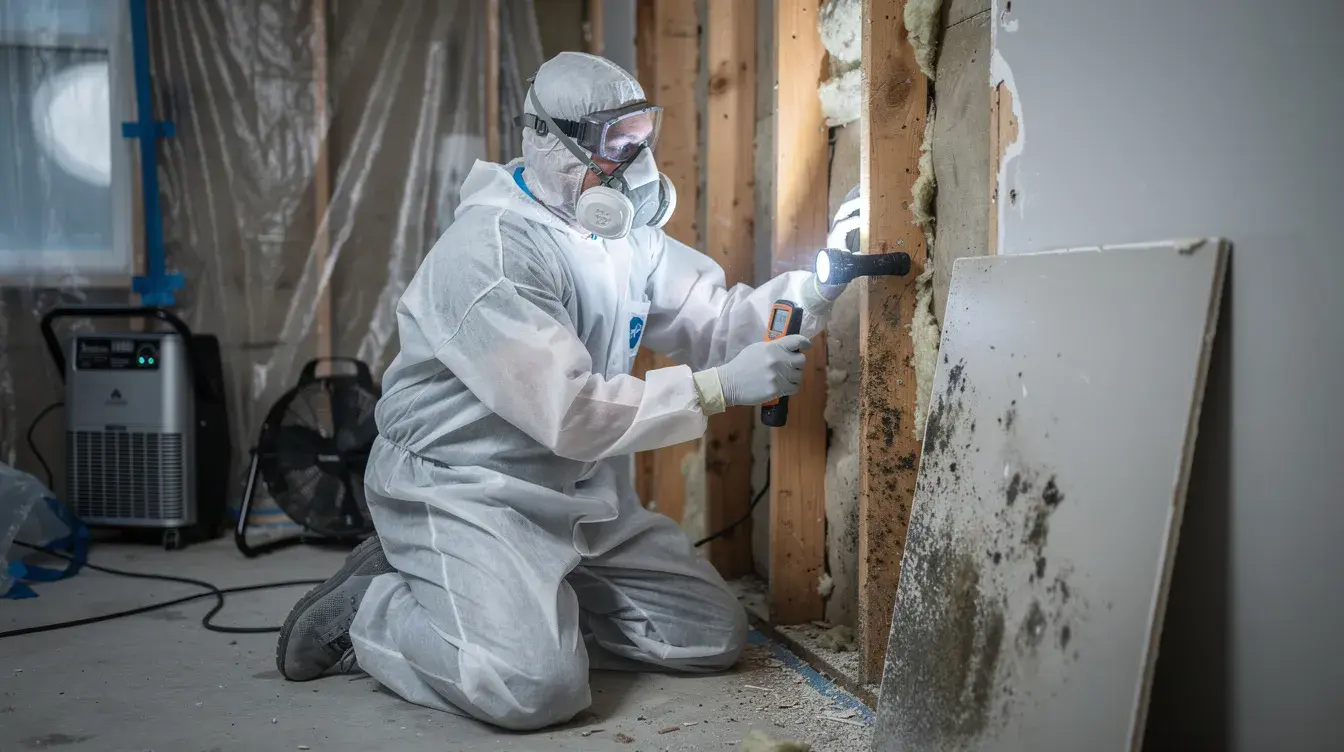
For Harris County residents, the consequences of flood damage go beyond visible water intrusion. Structural damage, mold growth, and health risks can develop rapidly, especially in Houston’s humid climate. Mold can begin to grow within just 24-48 hours after water exposure, making it critical to prevent mold growth through immediate emergency water removal and thorough structural drying. Taking swift action helps reduce health risks and prevents further damage to your property.
A local team with expertise in damage restoration understands the unique challenges faced by Houston property owners. From identifying the source of water intrusion to guiding you through the insurance claim process, restoration professionals provide essential services to restore your property and peace of mind. Whether you’re dealing with the aftermath of a severe storm, a burst pipe, or a sewer backup, having a trusted restoration partner ensures that mold, structural issues, and other risks are addressed quickly and effectively.
By staying informed about the common causes of flood damage and working with experienced restoration services, property owners in Harris County can better protect their homes and businesses, minimize downtime, and prevent mold from taking hold after severe weather events.
Immediate Help for Heavy Rain & Flood Damage in Houston
Heavy rain on the Gulf Coast doesn’t wait for convenient timing. When storms like Hurricane Harvey in 2017 drop over 30 inches across millions of residents, or when May 2024 downpours send Buffalo Bayou, White Oak Bayou, and Greens Bayou surging over their banks, the damage to Houston homes and businesses can occur unexpectedly and escalate within hours.
Predator Restoration Inc. is a Houston-based, 24/7 emergency restoration company specializing in heavy rain and flood damage cleanup, emergency water removal, and full property restoration. Our local team serves Houston, Willowbrook, Klein, Cypress, Jersey Village, Kingwood, North Houston, and surrounding communities with fast response times and thorough, hands-on restoration.
For 24/7 emergency heavy rain and flood damage cleanup in Houston, call Predator Restoration Inc. at (832) 937-4620 or message us online now.
Our emergency restoration services include:
- Emergency water removal and water extraction from flooded properties
- Flood cleanup for residential and commercial buildings
- Structural drying and dehumidification tailored to Houston’s humidity
- Mold prevention and mold remediation services
- Full reconstruction and rebuild services
- Insurance documentation and claims support
How Heavy Rain Causes Flood Damage in Houston
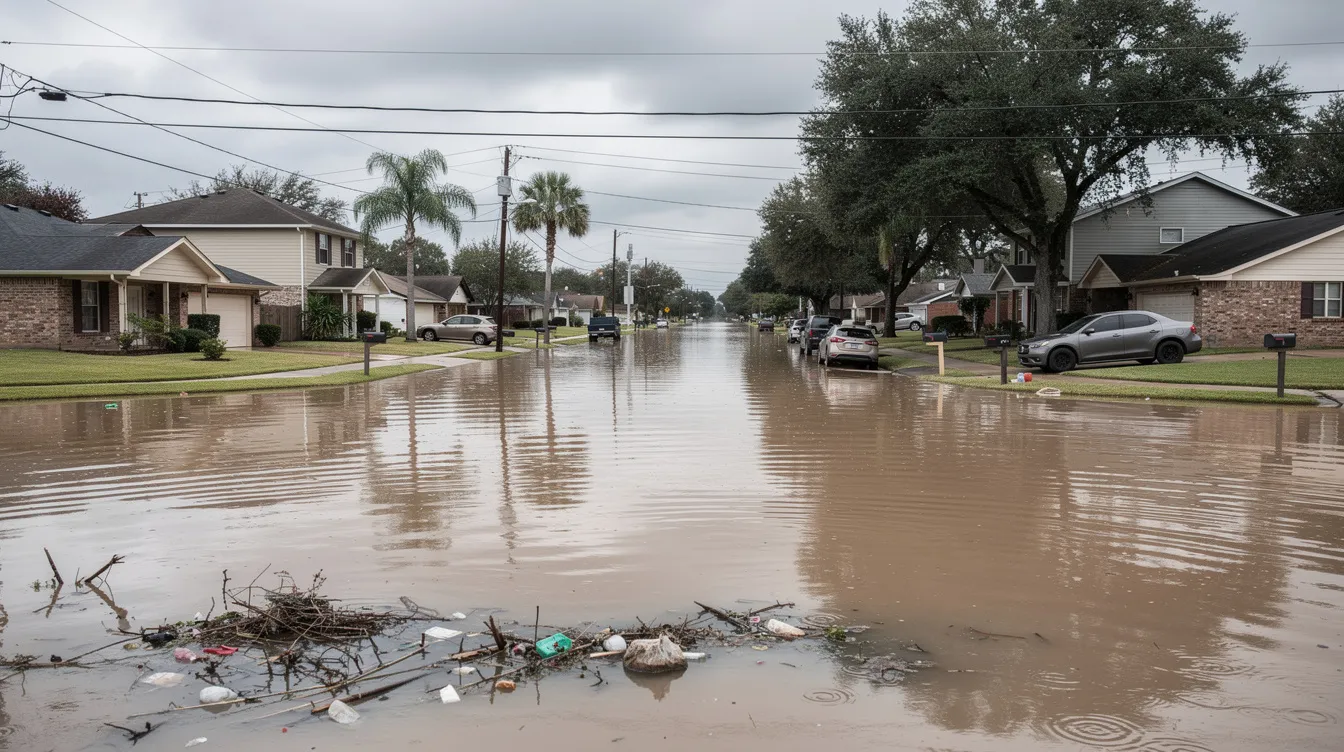
Houston faces unique challenges when severe storms roll through. The city sits on flat terrain with minimal elevation changes—much of the metro area averages less than 50 feet above sea level. This means water has nowhere to go but sideways, pooling in low lying areas and overwhelming drainage infrastructure.
Several factors combine to make flooding a persistent threat:
- Clay soils with low permeability prevent water absorption, causing rapid surface runoff during intense downpours instead of gradual infiltration
- Massive impervious surface expansion from development—386 square miles added between 1997 and 2017—overwhelms drainage systems designed for pre-development flows
- Aging stormwater infrastructure built decades ago for lower population densities frequently fails under extreme heavy rainfall
- Intense thunderstorms delivering 10-20 inches of rain in 24-48 hours, along with tropical storms and hurricanes from the Gulf of Mexico
- Stalled weather systems that dump historic rainfall totals, as seen during Harvey’s 45+ inches in some areas
Typical problem areas include slab-on-grade homes throughout suburbs like Cypress and Jersey Village, where water seeps under doors, through weep holes, and across garage thresholds. Townhomes near Buffalo Bayou in areas like Memorial face recurring bayou overflow. Apartments off Beltway 8 and businesses along I-45 and Highway 290 frontage roads routinely see street flooding push water into ground-floor suites.
When street flooding combines with overwhelmed storm drains and backyard drainage failures, water enters garages, first floors, crawlspaces, and commercial spaces through hydrostatic pressure forcing it under doors and through foundation cracks.
Floodwater from these events often qualifies as Category 3 “black water,” contaminated with sewage, chemicals, and urban runoff from overwhelmed systems. This contamination requires professional handling with proper protective equipment, containment protocols, and EPA-registered disinfectants.
Common Types of Heavy Rain & Flood Damage We See in Houston
Predator Restoration routinely handles a wide range of heavy rain and flood scenarios across greater Houston. Here are the most common causes we respond to:
Street and Bayou Flooding Entering Homes
In neighborhoods like Cypress and Jersey Village, rising water from streets and overflowing bayous forces its way under doors, through weep holes designed for drainage, and across garage thresholds. We frequently see first floors affected 2-3 feet deep, with garages taking the initial hit before water spreads to living areas.
Roof and Ceiling Leaks During Heavy Storms
Wind-driven rain from severe weather events with gusts exceeding 50 mph lifts shingles and forces water under roofing materials into attics. The result: sagging ceilings, stained walls, saturated insulation, and water damage that spreads through multiple rooms. Hail events compound this damage by compromising roofing materials before the heaviest rain arrives.
Overwhelmed French Drains and Backyard Drainage
In areas like Kingwood and Willowbrook, French drains and backyard swales designed for normal rainfall fail during 10+ inch events. Water pools against foundations, seeping inside through foundation cracks and causing crawlspace saturation in pier-and-beam homes.
Commercial Flooding
Retail centers and warehouses off Beltway 8 and Highway 249 suffer flooded showroom floors, damaged stock areas, and water intrusion into offices. Concrete slabs hold water that penetrates through expansion joints, affecting inventory and equipment while minimizing downtime becomes critical.
Sewer Backups and Overflows
During severe storms, city sewer systems in low-lying Houston areas surcharge under the volume, pushing Category 3 contaminated water through floor drains, toilets, and bathtubs. The April 2016 flooding that dropped 17 inches caused widespread sewer backups across flooded areas, requiring thousands of rescues and extensive cleanup.
Our Heavy Rain & Flood Damage Restoration Process in Houston
Predator Restoration’s hands-on, on-site approach follows IICRC-certified standards specifically tailored for Houston’s climate and construction styles. We don’t stop at surface drying—our technicians hunt for hidden moisture in walls, subfloors, and structural cavities to prevent mold growth and structural issues that other companies miss.
Our restoration process moves through five coordinated phases, from emergency response through full reconstruction:
If your Houston property is flooding right now, don’t wait. Call (832) 937-4620 for immediate water removal and flood cleanup.
1. 24/7 Emergency Response & On-Site Assessment
Our technicians are on-call around the clock and typically arrive within hours anywhere in Houston, Willowbrook, Klein, Cypress, Jersey Village, Kingwood, and North Houston—even during major storm events when traffic congestion slows travel on I-45, I-10, Beltway 8, Highway 249, and 290.
On-site evaluation begins immediately. We identify:
- The water source: heavy rain intrusion, roof leak, bayou overflow, or sewer backup
- Water category: Category 1 (clean), Category 2 (gray), or Category 3 (black/contaminated)
- Category 1 water damage involves clean water from a source that poses no immediate health risk. Category 2 water damage, known as gray water, contains contaminants that can cause illness or discomfort. Category 3 water damage, referred to as black water, is highly contaminated and can contain dangerous pathogens.
- All affected materials: flooring, drywall, insulation, cabinetry, and structural components
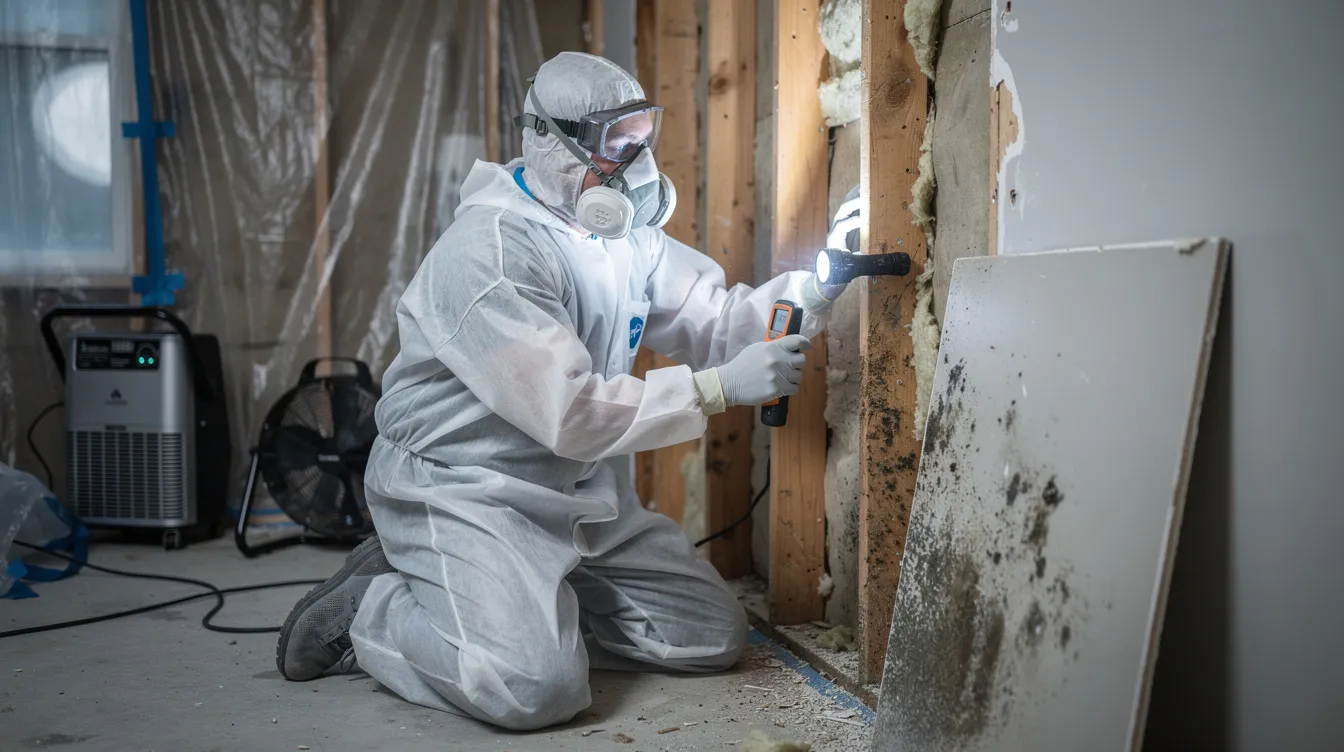
Using moisture meters and thermal imaging cameras that detect temperature differentials from hidden saturation, we locate moisture behind walls, inside insulation, within cabinetry, and behind baseboards. This technician-led emergency inspection identifies damage that remote or “clipboard-only” assessments routinely miss.
2. Emergency Water Extraction & Flood Cleanup
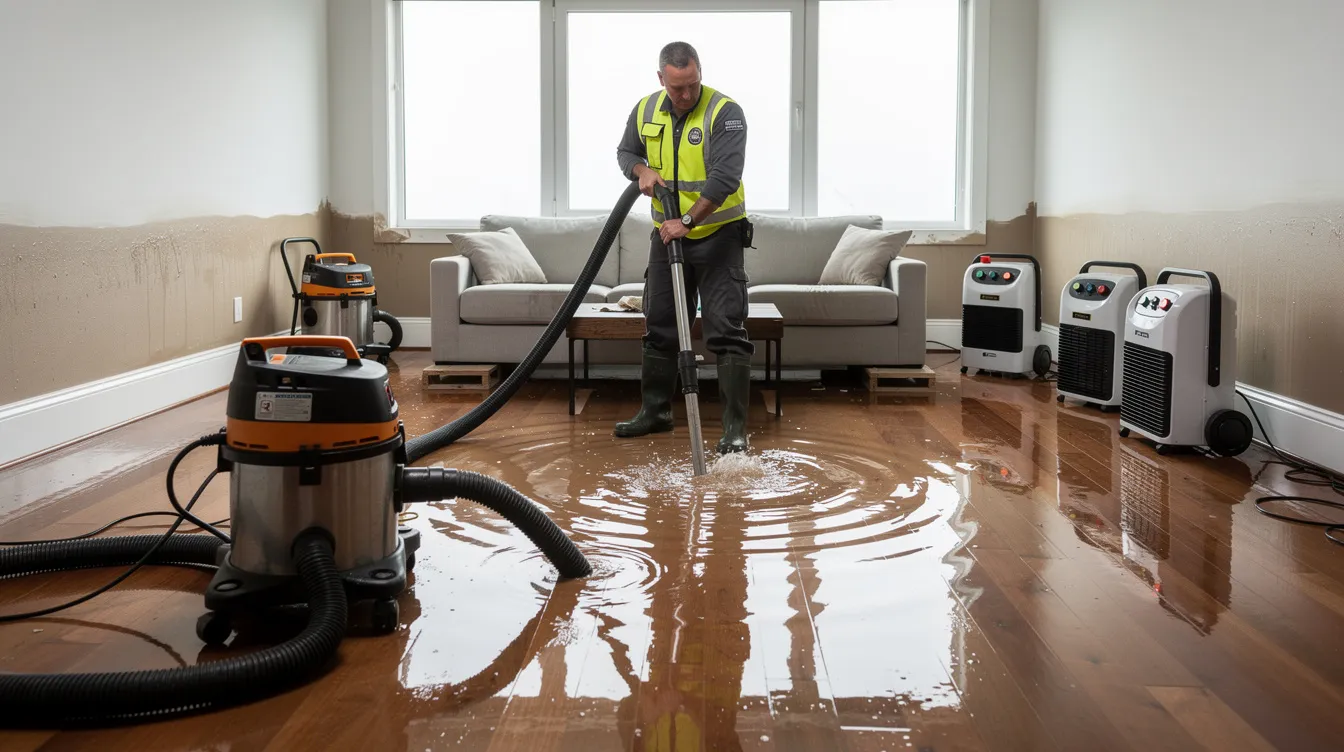
Standing water must be addressed quickly to limit secondary damage. We deploy truck-mounted extractors capable of removing 100-500 gallons per minute, along with portable units for hard-to-reach areas.
Our teams remove standing water from:
- Carpeted and tile floors in residential living spaces
- Flooded garages in Cypress and Jersey Village homes
- Concrete warehouse slabs and retail showrooms near Willowbrook Mall
- Houston bungalow first floors and basement-level commercial suites
Rapid extraction limits wood floor swelling (oak floors can expand 5-10% in width when saturated), prevents drywall disintegration, and reduces structural deterioration. When contaminated floodwater or sewage is present, we follow strict safety protocols for removal, disposal, and initial cleanup disinfection.
3. Structural Drying, Dehumidification & Moisture Control
Houston’s 70-90% ambient humidity after rain events slows natural evaporation dramatically. Without professional intervention, materials stay wet far longer than property owners expect.
We set up commercial air movers (up to 3,000 CFM each) and desiccant/refrigerant dehumidifiers removing 50-100 pints daily to dry structures thoroughly. Our targeted techniques include:
- Wall cavity drying through injection ports
- Lifting carpets for underpad and subfloor drying
- Removing baseboards to release trapped moisture from framing
- Drying behind cabinets and inside closets where moisture hides
Technicians monitor moisture readings daily using psychrometric measurements until materials reach documented safe levels of 15-17% moisture content. This thorough structural drying prevents mold colonization that can begin within 24-48 hours in Houston’s warm, humid conditions.
4. Cleaning, Disinfection & Mold Prevention
When floodwater from streets, bayous, or sewers enters your property, cleaning goes far beyond wiping surfaces. We apply EPA-registered antimicrobial agents to eliminate bacteria and pathogens, using HEPA vacuuming for particulates and ozone/hydroxyl generators to reduce health risks from organic contamination and odors.
Proactive mold prevention steps include:
- Early removal of wet materials that cannot be adequately dried
- Excising wet drywall 18-24 inches above visible water lines
- Detailed inspections in dark, hidden areas where mold thrives
- Addressing indoor air quality concerns from contamination
If mold is already present (optimal growth conditions occur at 65-80°F and above 60% relative humidity—common post-flood), Predator Restoration provides full mold remediation and mold removal services using containment barriers, negative air machines, and professional remediation techniques.
5. Repairs, Rebuild & Full Reconstruction
After mitigation and drying are complete, we provide repair and reconstruction services to restore your property to pre-loss condition—or better.
Our rebuild services include:
- Replacing water-damaged drywall and insulation with mold-resistant variants
- Installing new LVP, tile, or hardwood flooring
- Repairing or replacing baseboards, trim, and cabinetry
- Full reconstruction of storm-damaged rooms
Predator Restoration handles both residential and commercial rebuilds throughout Houston, from small repairs to full-scale reconstruction. Our detailed approach helps avoid common rebuild pitfalls such as covering damp framing (which risks future buckling and 40% callback rates for mold) or ignoring subtle structural movement.
Heavy Rain Flood Damage Risks: Why Fast Action Matters
A few hours can transform a manageable cleanup into a major restoration project with mold, structural damage, and health hazards. Understanding these risks helps explain why immediate professional response matters.
Houston’s Humidity Accelerates Mold Growth
In Houston’s humid subtropical climate (often 90% relative humidity post-rain), mold spores can germinate on damp cellulose materials within 24-48 hours. This rapid colonization can amplify allergens by 10x and escalate remediation costs from a few thousand dollars to $30,000 or more per incident.
Structural Risks Compound Quickly
When water sits too long, structural damage escalates: subfloors cup up to 1/4 inch, wall framing swells 5-15% in moisture content causing bowing, and Houston’s clay soils can expand 20-30% when saturated—contributing to foundation shifts. Warped hardwood floors, buckling subfloors, and wall separation become far more expensive to address than early intervention.
Electrical and Safety Hazards
Wet outlets and soaked wiring create arcing risks at surprisingly low leakage levels (10-20mA). Electrical hazards from flood damage claim lives annually. Hidden damage behind walls and under flooring presents ongoing fire and shock risks until properly identified and addressed.
Contamination From Overwhelmed Systems
Heavy rain frequently overwhelms storm and sewer systems, mixing runoff, chemicals, and sewage into indoor floodwater. Category 3 water introduces pathogens like E. coli at dangerous concentrations, creating serious health risks that require professional decontamination.
Industry data shows that delays turn $5,000 cleanups into $50,000 rebuilds. Time is the most critical factor in limiting further damage.
Protect your home or business before damage spreads. Call Predator Restoration now at (832) 937-4620 for urgent flood damage mitigation in Houston.
Storm, Sewer & Mold Complications After Heavy Rain
Heavy rain events in Houston rarely cause just one problem. Storm damage, sewage backups, and mold often arrive together, creating layered challenges that require coordinated expertise.
Predator Restoration offers integrated services covering storm damage restoration, sewage backup cleanup, and mold remediation—so you work with one coordinated team rather than juggling multiple contractors. Our technicians identify hidden issues others miss: damp wall cavities, contaminated insulation, and soaked crawlspaces that cause problems months later if overlooked.
Storm Damage From Heavy Rain & Wind
High winds during severe storms create their own damage beyond flooding. Common storm-related issues include:
- Damaged roofs with missing or lifted shingles
- Broken windows allowing water intrusion
- Siding damage from wind and debris
- Water intrusion from wind-driven rain forcing moisture under roofing and through gaps
Predator Restoration can tarp roofs (using 6-mil poly sheeting secured with battens), board up openings, and stabilize structures before starting interior drying and repairs. During tropical storms affecting North Houston and Cypress, or hail events that damage roofing materials, storm damage restoration coordinates with flood cleanup to prevent ongoing water intrusion while rain continues.
Sewage Backups & Contaminated Floodwater
Intense rainfall overwhelms city sewers, especially in low-lying Houston neighborhoods with aging infrastructure from the 1950s. When systems surcharge, contaminated water backs up through floor drains, toilets, and bathtubs—turning a flood cleanup into a hazardous waste situation.
Category 3 black water requires:
- Professional PPE and containment protocols
- Removal of all porous materials (drywall, carpet, insulation)
- Full disinfection with EPA-registered agents
- Safe disposal following environmental regulations
Do not touch sewage-contaminated water or attempt DIY cleanup. Predator Restoration’s sewage cleanup expertise in Houston ensures safe removal of affected materials and thorough decontamination. Avoid contact with contaminated areas and call professionals immediately.
Mold Growth After Heavy Rain Flooding
In Houston’s climate, mold can begin colonizing damp materials within 24-48 hours after water intrusion. Optimal growth conditions (65-80°F and above 60% relative humidity) are standard post-flood in our region.
Common areas where post-flood mold appears:
- Behind baseboards where moisture wicks up framing
- Inside wall cavities that appear dry on the surface
- Under vinyl or laminate flooring where moisture becomes trapped
- Inside HVAC closets and ductwork
- In crawlspaces under pier-and-beam construction
Predator Restoration provides full mold remediation services following industry standards, using containment barriers and HEPA filtration to prevent spore spread. Critically, we focus on identifying and fixing the moisture source so mold does not return after remediation.
Insurance Claims & Documentation for Flood and Heavy Rain Damage
Dealing with the insurance claim process after a Houston flood can feel overwhelming while you’re simultaneously trying to protect your property and personal belongings from further damage.
Understanding a few key points helps:
- Standard homeowners policies typically exclude flood damage. Taking out a flood insurance policy is crucial as standard home insurance policies often do not cover flood damage.
- Homeowners insurance may cover sudden accidental water damage from sources like burst pipes, leaking pipes, or water heaters, distinct from rising floodwater.
- Early documentation protects your claim. Photos, moisture readings, itemized damage lists, and drying logs provide evidence insurers require. Delays in mitigation can void coverage for negligence.
Predator Restoration supports policyholders throughout the process: documenting damage, communicating with your insurance adjuster, and providing detailed reports that help streamline claims and prevent under-scoping (a common 30-50% shortfall when hidden damage goes unidentified).
Need help documenting your heavy rain flood damage for insurance? Call (832) 937-4620 or contact us online and our team will guide you through the process.
How Predator Restoration Helps With Your Claim
Our insurance assistance includes detailed estimates covering every phase of restoration:
- Mitigation and emergency response
- Structural drying and dehumidification
- Demolition and debris removal
- Cleaning and disinfection
- Reconstruction and rebuild
We create comprehensive photo documentation, moisture maps showing affected areas, and daily drying logs that insurers typically request. Using industry-standard Xactimate estimates, we distinguish between replacement cost value (RCV) and actual cash value (ACV) to ensure your documentation matches insurance requirements.
Our team communicates directly with adjusters to explain the full scope of damage—including hidden moisture and microbial risks that surface-level inspections miss. This transparent documentation supports a smoother, faster claim process for Houston property owners and helps avoid the under-scoping that leads to insufficient settlements.
How Houston Property Owners Can Prepare for Heavy Rain & Flooding
Flood preparedness is critical in a city that experiences repeated heavy rain and flood events. Harris County has received 52 FEMA disaster declarations in 40 years—averaging more than one major flood-related declaration annually.
Here’s a practical checklist for protecting your property:
Maintain Drainage Systems
Clear gutters and downspouts annually—proper maintenance prevents approximately 80% of roof overflow issues. Ensure storm drains near your property are clear of debris before forecast heavy rain events.
Test Backup Systems
Check sump pumps regularly and consider battery backups for power outages (9 in 10 harris county residents lost power during May 2024 storms). Install backflow valves ($300-800) to prevent sewer backups from entering your home.
Seal Entry Points
Consider sealing weep holes with hydrostatic vents that allow drainage but resist flood intrusion. Check door thresholds and garage seals for gaps where water enters during street flooding.
Elevate Valuables and Equipment
Raise HVAC systems, water heaters, washing machines, and important documents at least 2 feet above ground level. Move irreplaceable items to upper floors or elevated storage.
Know Your Flood Risk
Check FEMA flood maps using an address search to understand your property’s flood zone designation. The Harris County Flood Control District provides local resources and monitors the flood warning system for area bayous and creeks. Review your flood insurance needs with an agent—standard policies don’t cover rising water.
Assessing your flood risk in advance can help you prepare for potential flooding.
Have an Emergency Plan
Know evacuation routes from your neighborhood. Identify safe parking locations for vehicles on higher ground. Keep a go-bag with important documents ready.
Keep Predator Restoration’s number (832) 937-4620 saved for after-storm emergencies. Monitor local weather forecasts during storm season and be ready to act when warnings arise.
What To Do Immediately When Heavy Rain Floods Your Home or Business
When floodwater enters your property, prioritize safety above all else. Here’s a step-by-step checklist for the first minutes and hours:
- Ensure everyone’s safety first. Move family members and employees to higher ground or evacuate if water continues rising.
- Shut off electricity in affected areas if safe to do so. If your electrical panel is in a flooded area or you must stand in water to reach it, do not attempt—call your utility company.
- Avoid contact with floodwater. Water from street flooding, storm surges, or sewer backups may be contaminated with sewage, chemicals, and debris.
- Move valuables to higher ground if you can do so safely. Electronics, important documents, and irreplaceable items should be elevated.
- Do not use household vacuums for water removal. Wet/dry vacs can spread contaminants and create electrical hazards. Leave water extraction to professionals.
- Document damage before cleanup begins. Take photos and video of water levels, affected materials, and visible damage for insurance purposes.
- Do not remove drywall or flooring without proper assessment. Premature demolition can spread contamination or cause you to miss hidden moisture requiring treatment.
Once everyone is safe, call Predator Restoration at (832) 937-4620 for 24/7 heavy rain and flood damage response in Houston.
Why Houston Trusts Predator Restoration for Heavy Rain & Flood Damage
Predator Restoration has built its reputation as a meticulous, hands-on restoration company dedicated to thorough mitigation—not just cosmetic fixes that hide underlying problems. We understand that what you can’t see after a flood often causes more damage than what you can.
24/7 Availability and Rapid Response
Our teams respond around the clock throughout Houston, Willowbrook, Klein, Cypress, Jersey Village, Kingwood, North Houston, and surrounding areas. When heavy rain hits, we dispatch technicians within hours to begin water damage restoration before secondary damage compounds your losses.
On-Site, Technician-Led Investigations
Our restoration approach puts trained technicians on your property—not call center representatives making assumptions from photos. We use moisture meters, thermal imaging, and hands-on inspection to find hidden moisture, contamination, and structural issues that surface-level assessments miss.
Full-Service Capabilities
Predator Restoration handles every phase of property damage recovery:
- Water removal and flood cleanup
- Water damage mitigation and structural drying
- Mold remediation and mold removal
- Fire and smoke damage restoration
- Storm damage restoration
- Sewage cleanup
- Odor removal
- Full rebuild and reconstruction services
Commitment to Preventing Secondary Damage
Our process focuses on stopping mold growth, structural deterioration, warped floors, and lingering odors before they develop. Early intervention during May 2024 storms allowed us to help Cypress homeowners avoid $20,000+ subfloor replacements through targeted drying—saving time, money, and stress.
Our Local Houston Expertise
Being based in Houston means we understand how local building styles react to flooding:
- Slab-on-grade construction requires attention to moisture wicking through concrete and vapor barriers
- Townhomes and newer construction present unique wall cavity drying challenges
- Older pier-and-beam homes need crawlspace assessment and potential encapsulation
Our familiarity with Houston neighborhoods and traffic routes—I-45, I-10, Beltway 8, Highway 249, and 290—allows faster on-site arrival during major storm events when every hour matters.
We tailor drying and restoration strategies to Houston’s heat and humidity, understanding that materials hold moisture longer here than in drier climates. Our humidity-adjusted drying protocols extend 20-50% longer than standard approaches to ensure structures reach safe moisture levels.
Predator Restoration maintains a long-term commitment to the greater Houston market and the communities we serve. When businesses face the unique challenges of commercial flooding, we focus on minimizing downtime while ensuring thorough restoration.
Get 24/7 Help for Heavy Rain & Flood Damage in Houston
When the next Gulf Coast storm drops inches of rain on greater Houston, Predator Restoration stands ready to respond. Our teams are available around the clock for any heavy rain or flood damage emergency, providing the fast response and thorough restoration that Houston property owners need.
We deliver:
- Rapid response throughout greater Houston, even during active storm events
- Thorough on-site inspections using moisture meters and thermal imaging to find hidden damage
- Advanced drying and dehumidification calibrated for Houston’s humidity
- Complete cleanup and rebuild services from extraction through reconstruction
- Insurance documentation support to help streamline claims and maximize coverage
Call Predator Restoration Inc. now at (832) 937-4620 for immediate heavy rain and flood damage cleanup anywhere in greater Houston.
Prefer to start online? Message us here and our team will respond quickly.
Save our number (832) 937-4620 before the next storm so you’re ready when heavy rain hits.
From the first emergency water extraction to the final reconstruction, Predator Restoration guides property owners through every step until your home or business is safe, dry, and fully restored. You don’t have to face flood damage alone—our Houston team is here 24/7 to help you recover.
Conclusion: Protecting Your Houston Property from Future Flood Damage
Protecting your Houston property from future flood damage requires a proactive approach and an understanding of the city’s unique challenges. Investing in a comprehensive flood insurance policy is one of the most important steps property owners can take, as standard homeowners insurance often does not cover flood damage. Regular maintenance of your property’s plumbing and drainage systems can help prevent issues like leaking pipes and sewer backups, which are common sources of water intrusion.
Staying informed about your area’s flood warning system and monitoring local weather alerts allows you to act quickly when severe weather is on the horizon. In the event of a flood, it’s crucial to remove standing water quickly and avoid contact with contaminated water to reduce health risks and prevent further damage. Addressing electrical hazards immediately and ensuring a fast response can help minimize downtime and limit the risk of mold growth, which can severely impact indoor air quality and the overall safety of your property.
Preparation also means keeping important documents—such as your flood insurance policy, property records, and emergency contacts—in a safe, easily accessible location. This foresight can streamline the insurance claim process and help you recover more efficiently after a flood.
By understanding the unique challenges of flood damage in Houston and taking steps to prevent and mitigate its effects, property owners can better safeguard their homes and businesses. Fast action, regular maintenance, and proper documentation are key to reducing the impact of future storms. With the right preparation and support, you can help ensure your property remains safe, resilient, and ready to withstand whatever the next storm brings.