
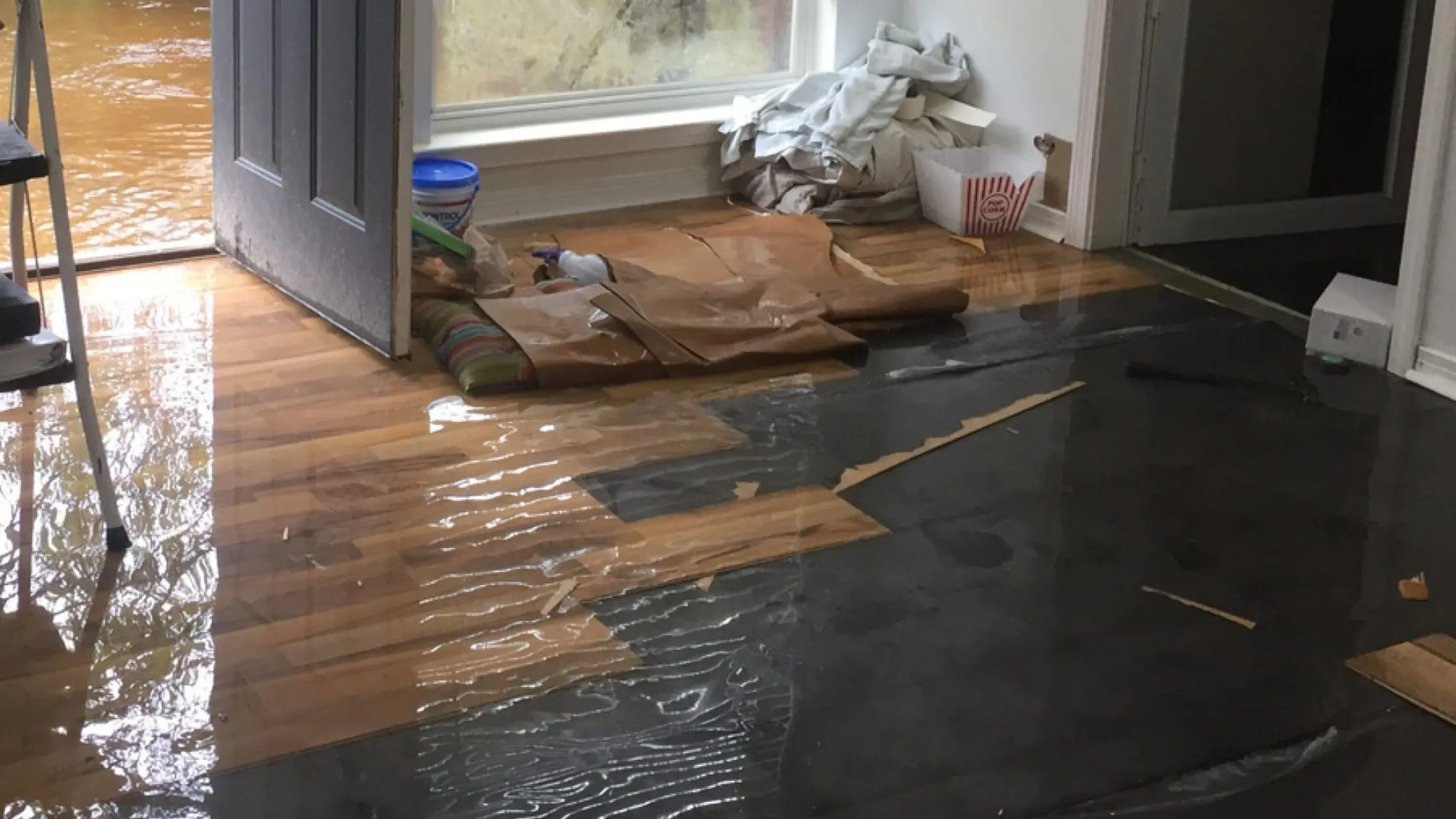
Understanding the variables that influence the cost of hiring a water damage restoration company in Houston is essential for managing your budget and protecting your property value during an emergency. In our region, pricing is rarely a flat fee because every water event is unique, ranging from a minor kitchen leak in West University Place to major storm flooding near the Houston Ship Channel. The final price is determined by the volume of water, the category of contamination, and the specific structural materials that require drying or replacement. By addressing these variables immediately with professional intervention, you can minimize the overall financial impact and ensure your insurance claim is filed with accurate, industry-standard documentation.
How much does water damage restoration cost on average?
The average cost for residential water damage restoration in the Greater Houston area typically falls between $1,500 and $5,500, though major events can quickly exceed $10,000 or more. This price range usually covers the initial emergency services, such as water extraction, the staging of industrial dehumidifiers, and the application of antimicrobial treatments. If your property in a high-density area like the Medical Center requires multi-floor mitigation or specialized equipment for high-rise logistics, the costs will reflect the increased labor and technical requirements of the job.
It is important to remember that “restoration” is often a two-phase financial process. Phase one is the mitigation, which focuses on stopping the damage and drying the structure. Phase two is the reconstruction, which involves replacing drywall, flooring, and paint to return the home to its pre-loss condition. Many homeowners find that the mitigation phase is the most critical for cost control, as thorough drying prevents the need for much more expensive mold remediation services later.
What is the most expensive type of water to clean up?
The most expensive type of water to remediate is Category 3 water, commonly known as “black water,” which includes sewage backups or rising floodwaters from local bayous. Because this water contains dangerous pathogens, bacteria, and chemicals, the restoration process requires intensive labor, specialized protective gear, and the disposal of almost all porous materials it touches. In a Category 3 situation, items like carpeting, padding, and even certain types of insulation cannot be “saved” or dried; they must be removed and replaced for the safety of the occupants.
Conversely, Category 1 water, which comes from clean sources like a broken supply line to your refrigerator, is the least expensive to handle. If caught quickly, most materials can be dried in place using high-velocity air movers and LGR dehumidifiers. However, if Category 1 water is left sitting for more than 48 hours in our humid Gulf Coast climate, it can degrade into Category 2 or 3, significantly increasing the water damage restoration cost in Houston due to the added sanitization requirements.
How does the duration of the leak impact the price?
The longer water remains in contact with your home’s structural components, the higher the final bill will be due to deep moisture penetration and microbial growth. Water is a solvent that begins to break down the binders in drywall and the glues in engineered flooring within hours of contact. If you discover a slow leak in your attic near Memorial Park that has been dripping for weeks, you are likely looking at structural rot and mold, which are significantly more expensive to fix than a sudden pipe burst that is addressed within the hour.
Professional companies use moisture mapping to determine exactly how far the water has traveled into the building’s “envelope.” In the high humidity of Southeast Texas, moisture does not just stay on the floor; it wicks up the walls and saturates the insulation. Fast action is the only way to prevent the “wicking effect” from doubling or tripling the amount of drywall that needs to be removed, which directly affects the total restoration service pricing in Houston.
Time-Based Cost Factors
- 24-Hour Damage: Initial saturation of flooring and baseboards; highest success rate for drying in place.
- 48-Hour Damage: Mold spores begin to colonize; drywall begins to lose structural integrity; cost increases for sanitization.
- 72+ Hour Damage: High risk of “wicking” into upper wall sections; structural rot begins; high likelihood of total material replacement.
Which structural materials are the most costly to restore?
Hardwood flooring and specialized stone surfaces are among the most expensive materials to restore because they require advanced drying techniques to save. If your home in the Museum District features historic oak floors, saving them requires the use of high-pressure floor mats that pull moisture through the wood grains. This specialized equipment carries a higher daily rental rate than standard air movers, but it is far cheaper than the cost of tearing out and replacing high-end hardwood.
Porous materials like carpeting and standard drywall are relatively inexpensive to replace, but the labor involved in “flood cuts” and disposal adds up. In commercial properties, such as those in the Energy Corridor, large-scale carpet tiles can sometimes be saved with professional extraction, provided the water is clean. However, if water gets under permanent fixtures like kitchen cabinets or built-in shelving, the cost increases because these items often have to be detached and reset to ensure the wall behind them is completely dry.
| Material Type | Typical Restoration Approach | Cost Impact |
| Hardwood | Specialty mat drying or replacement | High |
| Drywall | Flood cuts (2ft or 4ft) and replacement | Moderate |
| Carpeting | Extraction (if clean) or disposal | Low to Moderate |
| Concrete/Tile | Surface extraction and sanitization | Low |
| HVAC Ducts | Professional cleaning and microbial fogging | Moderate to High |
If you are unsure which materials in your home can be salvaged, you can contact us today to schedule a professional inspection and moisture assessment. Having a clear inventory of affected materials is the first step in receiving an accurate estimate that you can provide to your insurance provider.
Does the location of the damage within the home affect pricing?
Yes, the accessibility of the damaged area plays a major role in the labor costs associated with restoration. For instance, a flooded crawlspace under a home in The Heights requires significantly more labor and specialized ventilation than a flooded garage in a Katy subdivision. Attic leaks are also more expensive to mitigate because technicians must navigate around insulation, electrical wiring, and HVAC ductwork while moving heavy equipment up and down stairs.
High-rise condos near the Galleria or in Downtown Houston present their own set of logistical challenges. If the building’s elevators are restricted or if the water source is on a high floor, the company may need to use portable extraction units rather than truck-mounted systems. These logistical hurdles increase the man-hours required for the job, which is a primary driver of restoration service pricing in Houston.
Why is insurance claim support for water damage in Houston important?
Having a restoration partner that provides comprehensive insurance claim support for water damage in Houston can save you thousands of dollars in out-of-pocket expenses. Most reputable companies use Xactimate, which is the same software used by insurance adjusters to calculate the cost of labor and materials in specific zip codes. When the restoration company’s estimate aligns with the adjuster’s software, the approval process is much faster and less stressful for the homeowner.
Furthermore, a professional team will document every step of the process with “before and after” moisture readings and photos. This level of detail is crucial if you need to prove to your insurance company that the mitigation was necessary to prevent further loss. Without this documentation, adjusters may try to argue that the damage was pre-existing or that you failed to take reasonable steps to protect the property, which could lead to a claim denial.
Are there hidden costs in water damage restoration?
One of the most common hidden costs in water damage restoration is the electrical consumption required to run industrial drying equipment for several days. A typical drying setup might include six to ten air movers and two large dehumidifiers, all running 24/7. While this is a necessary expense to prevent mold, homeowners should be aware that it will impact their monthly utility bill. Some insurance policies will actually reimburse you for this extra electricity usage if it is documented by the restoration company.
Another hidden factor is the “secondary damage” caused by high humidity. If the restoration company does not properly seal off the affected area, moisture can travel into other rooms, causing cabinets to swell or electronics to malfunction. This is why hiring a company that understands the “closed drying system” approach is so important. Paying a slightly higher upfront cost for a qualified water damage restoration company in Houston is a smart investment that prevents these expensive secondary issues from occurring.
Questions to Ask Regarding Hidden Fees
- Equipment Rates: Are the air movers and dehumidifiers charged by the day or by the job?
- Disposal Fees: Does the quote include the cost of hauling away wet drywall and carpet?
- Monitoring Visits: Is there an extra charge for the technicians to come by daily and check moisture levels?
- Sanitization: Are antimicrobial treatments included in the base price or added as an extra service?
Does the time of day I call affect the price?
Many companies charge a “dispatch fee” or an “after-hours premium” for calls made in the middle of the night, on weekends, or during major holidays. While this can add a few hundred dollars to the initial bill, it is almost always cheaper than waiting until Monday morning to address a major leak. In the time it takes for a weekend to pass, a simple $2,000 drying job can easily turn into a $10,000 mold remediation project due to the rapid growth of fungi in our local climate.
Emergency services are priced to reflect the immediate availability of crews and equipment. When you call for 24/7 service, you are paying for the peace of mind that a team will be at your door in Pearland or Sugar Land within an hour to stop the water from spreading. This rapid response is the single most effective way to keep your total water damage restoration cost in Houston as low as possible.
How do professional companies calculate labor costs?
Labor costs in the restoration industry are usually calculated based on the number of technicians required and the specialized nature of the work. For example, a Category 3 sewage cleanup requires technicians to wear full-body PPE (Personal Protective Equipment) and respirators, which increases the labor rate due to the health risks and the slower pace of work in such gear. In Houston, labor rates also reflect the local market demand and the cost of maintaining a fleet of specialized vehicles.
The industry standard is to charge for labor in blocks or by the specific task performed, such as “per square foot” for carpet removal or “per linear foot” for drywall flood cuts. Because these rates are standardized through Xactimate, there is rarely much variation between the labor prices of different certified companies. The difference in price usually comes down to the “scope of work”—meaning how much material the company decides needs to be removed versus what can be saved through advanced drying techniques.
Can a restoration company help with my deductible?
It is important to be wary of any company that offers to “waive” or “cover” your insurance deductible. This practice is often considered insurance fraud in the state of Texas and can lead to serious legal trouble for both the contractor and the homeowner. A reputable restoration firm will work with you to provide the most cost-effective service possible and will help you document the loss to maximize your claim payout, but the deductible is a legal agreement between you and your insurance provider.
The best way to “save” on your deductible is to ensure the restoration company does a thorough job the first time. If the drying is done incorrectly and mold returns six months later, you may have to file a second claim and pay a second deductible. Getting the job done right by a certified water damage restoration company in Houston is the most financially sound strategy for any property owner.
FAQs About Water Damage Costs in Houston
Why does my quote mention “mitigation” and “reconstruction” separately?
These are two distinct phases of the job. Mitigation is the emergency service to dry the home, while reconstruction is the repair of the physical structures. Most insurance companies issue separate checks for these phases, which is why restoration companies bill them as separate line items.
Does a larger home cost more to dry out?
Not necessarily. The cost is based on the “affected area,” not the total square footage of the home. A small bathroom with Category 3 sewage damage can be more expensive to restore than a large living room with a minor Category 1 supply line leak.
Will my insurance go up if I file a water damage claim?
While every provider is different, a single “sudden and accidental” claim typically does not result in a massive rate hike. However, failing to address water damage and allowing it to become a larger problem can lead to your policy being canceled or non-renewed due to a lack of maintenance.
How can I verify that the pricing is fair?
Ask the company if they use Xactimate for their estimating. This software is updated monthly with local labor and material costs for the Houston market, ensuring that the pricing reflects current local economic conditions.
Is it cheaper to do the demolition myself?
While it might seem like you are saving money on labor, DIY demolition can actually increase costs. If you accidentally cut into an electrical line or a plumbing pipe, or if you remove drywall that could have been saved, you will end up paying more in repairs than you saved in labor.
Conclusion
Navigating the financial aspects of a property disaster requires a balance of urgency and professional oversight. By understanding the factors that drive costs—from the category of water to the logistics of your specific Houston neighborhood—you can make informed decisions that protect both your home and your bank account. Whether you are dealing with the aftermath of a burst pipe in the Westchase District or rising water near the ship channel, the key to cost control is immediate, professional action.
Predator Restoration stands as a trusted local service provider, offering the expertise and insurance claim support for water damage in Houston that you need to recover efficiently. We provide a reliable solution to the problems discussed, ensuring that every dollar spent goes toward a scientifically proven drying process that prevents long-term structural issues. A professional water damage restoration company in Houston is your best asset in returning your property to its original state while keeping the total water damage restoration cost in Houston as manageable as possible.