
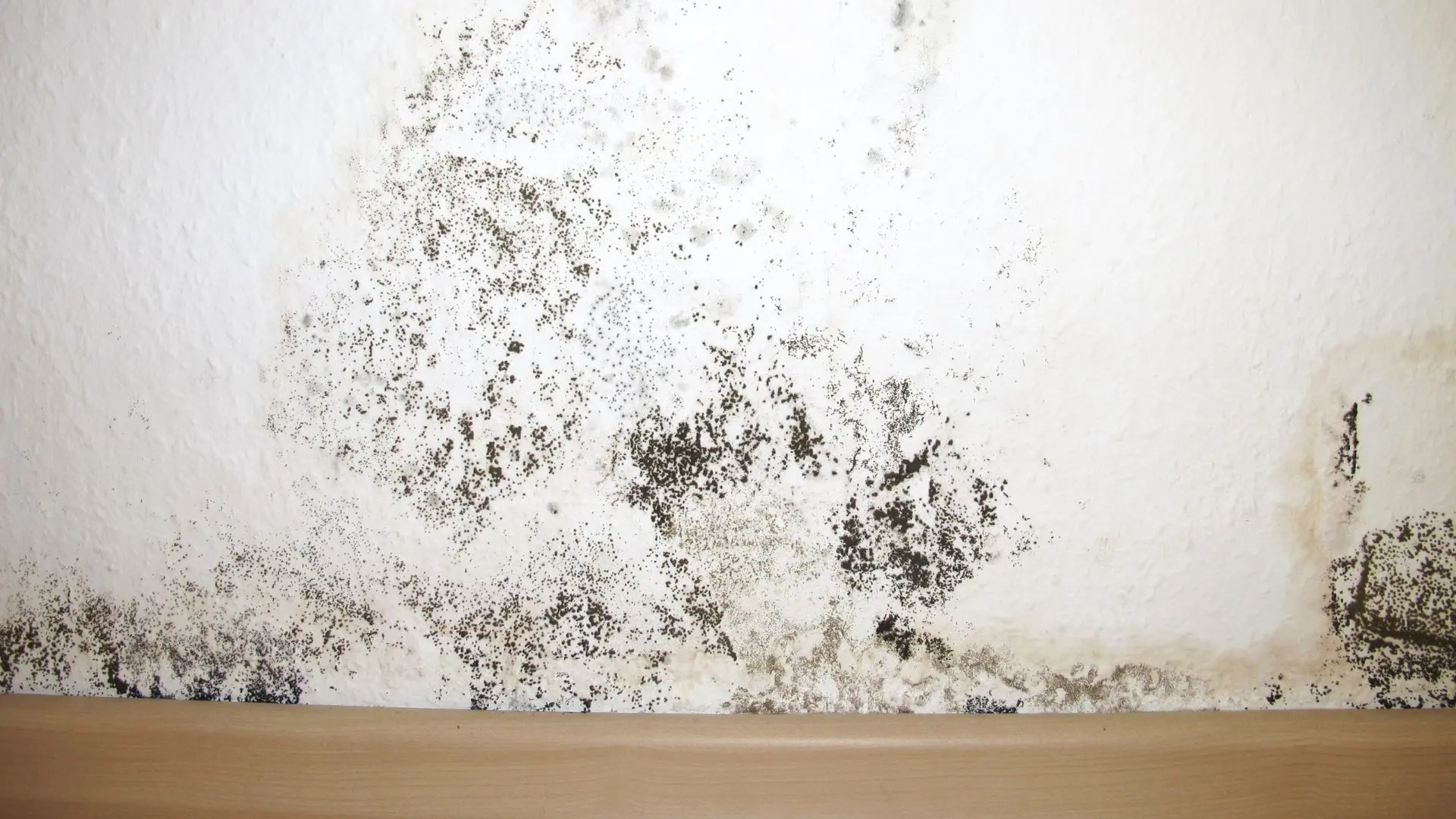
August is one of the toughest months of the year for Houston homeowners trying to stay ahead of mold. Between the heat, the humidity rolling off the Gulf Coast, and air conditioning systems that run almost around the clock, this is the time of year when moisture builds up in places homeowners rarely check, and mold can take hold faster than most people expect.
Understanding why Houston’s climate is so favorable to mold growth, where it tends to show up first, and what a professional mold remediation process actually involves can help homeowners in Houston, TX respond quickly instead of letting a small moisture problem turn into a much bigger one.
This guide walks through the climate conditions behind Houston’s late summer mold risk, the areas of a home most commonly affected, the warning signs to watch for, and what a full mold remediation service looks like from initial inspection through final verification. It also covers what to expect from insurance and a few practical ways to reduce mold risk for the rest of the summer.
Why Houston’s August Climate Is Especially Favorable for Mold
Mold needs three things to grow, a food source, a surface to grow on, and moisture. Most homes provide the first two without any trouble, drywall, wood framing, insulation, and household dust are all enough to support growth. What makes August in Houston so problematic is how consistently the third ingredient, moisture, stays available.
According to National Weather Service climate normals for Houston Intercontinental Airport, August is typically the hottest month of the year in the region, with average highs near 95 degrees and overnight lows that only drop into the mid 70s. That narrow gap between daytime and nighttime temperatures matters more than most homeowners realize. In drier parts of the country, cooler nights let surfaces and building materials shed some of the moisture they picked up during the day. In Houston during August, temperatures barely fall enough for that natural drying to happen, so moisture that accumulates during the afternoon often has nowhere to go before humidity builds right back up the next morning.
Dew point is the other piece of the picture, and it matters more for mold risk than temperature alone. Once the dew point climbs above roughly 70 degrees, air starts to feel heavy and stays saturated with moisture even indoors. Houston commonly sees August dew points in the low to mid 70s, which is part of why the air can feel damp even inside a home that seems otherwise comfortable.
Air conditioning adds another layer to the problem rather than solving it entirely. With outdoor humidity that high, AC systems run longer and cycle more often to keep homes cool, and that extra runtime produces a steady stream of condensation. Drip pans fill up, condensate lines can clog, and moisture collects around ductwork and vents, often in spaces that are not part of anyone’s regular cleaning routine.
The Environmental Protection Agency notes that mold can begin growing on a wet surface within 24 to 48 hours, which means a condensation problem that goes unnoticed for even a few days during a stretch of humid August weather can turn into an active mold problem before anyone spots it.
Where Mold Commonly Develops in Houston Homes During This Season
Mold does not need a major leak or flood to develop. In Houston during August, high humidity and everyday moisture can create small problem areas that are easy to overlook. Knowing where mold is most likely to start can help homeowners catch moisture issues before they become more extensive.
- AC systems and condensate areas. AC drip pans, condensate lines, and nearby ductwork are common trouble spots. As the system runs, condensation naturally forms, and a clogged drain or overflowing pan can introduce moisture to surrounding insulation, drywall, and other materials.
- Bathrooms and laundry rooms. These areas regularly produce high levels of indoor moisture. Showers, washing machines, and dryers can add humidity to the air, especially when exhaust fans are poorly vented, undersized, or rarely used. Over time, moisture can settle on walls, ceilings, and grout.
- Attics and roof areas. Houston’s heat and humidity can make attics particularly vulnerable to moisture problems. A small roof leak or inadequate ventilation can allow warm, humid air to collect around wood framing and insulation, potentially creating mold growth before there are visible signs inside the home.
- Areas with previous water damage. Locations affected by an earlier roof leak, plumbing issue, or storm can remain vulnerable if moisture was never fully removed. Water trapped inside wall cavities or beneath flooring can create an ongoing problem, particularly when combined with Houston’s seasonal humidity.
- Poorly ventilated spaces. Closets, storage areas, and other spaces with limited airflow can allow moisture to linger. Improving circulation and addressing sources of excess humidity can reduce the conditions mold needs to grow.
Signs of Mold Growth Homeowners Should Watch For
Mold is not always easy to spot right away. In many cases, the earliest signs are subtle, so knowing what to look for can help you identify a moisture problem before it becomes more extensive.
- Musty or earthy odors. A persistent musty smell is often one of the first signs, particularly in rooms, closets, or other areas with limited airflow. The odor may appear before visible mold develops, so avoid simply masking it with air fresheners.
- Visible discoloration. Look for dark spots or unusual staining on drywall, baseboards, ceilings, or around vents. Changes in grout color in bathrooms can also indicate excess moisture or potential mold growth.
- Recurring condensation. Regular moisture on windows, vents, pipes, or other cool surfaces can point to an ongoing humidity problem. Persistent moisture creates conditions that allow mold to develop.
- Unexplained allergy-like symptoms. Sneezing, a runny nose, or irritated eyes may become more noticeable in certain areas of the home and improve after spending time away. These symptoms can have many causes, so they should not be treated as proof of mold on their own.
- Signs of hidden moisture. Peeling paint, bubbling drywall, warped baseboards, or other changes to building materials can indicate moisture trapped behind a surface. When these signs appear alongside a musty odor or previous water damage, it is worth having the area professionally assessed.
What To Do If You Suspect Mold in Your Home
Finding mold can be unsettling, but the first response matters. Trying to clean it too quickly or simply covering the affected area can spread contamination or leave the underlying moisture problem unresolved. A few basic precautions can help you avoid making the situation worse while deciding whether professional help is needed.
- Avoid disturbing the mold: The natural reaction may be to scrub or scrape the affected area, but disturbing mold without appropriate protection can release spores into the air. If you notice suspicious growth, avoid touching or disturbing it until you have a better idea of how extensive the problem is.
- Ventilate carefully: Opening windows or using exhaust fans can improve airflow when conditions allow. However, avoid running the central AC on a recirculation setting if it could spread airborne particles to other areas of the home.
- Do not paint over mold: Painting over a stained or discolored surface may hide the appearance temporarily, but it does not remove the mold or address the moisture source. Growth can continue beneath the new paint if the underlying problem remains.
- Know when to call a professional: The EPA indicates that homeowners can sometimes clean small mold areas, generally less than about 10 square feet, using appropriate precautions. Larger areas, mold associated with significant water damage, or growth in difficult-to-access locations such as ductwork or attics are better handled by a professional mold remediation service.
The Professional Mold Remediation Process
A full mold remediation project involves more than removing what is visible on the surface. Each step is designed to make sure the problem is fully addressed rather than temporarily hidden.
Inspection and Moisture Mapping
The process starts with a thorough inspection of the affected area and the surrounding space. Moisture meters are used to measure how much water has been absorbed into materials like drywall, wood framing, and subflooring, since materials can hold significant moisture even when they look dry on the surface. This step also identifies the likely moisture source, whether that is a condensation issue, a slow leak, or humidity that has built up in a poorly ventilated space, since that source has to be addressed for remediation to actually hold.
Containment To Limit Cross Contamination
Once the extent of the problem is understood, the affected area is typically contained using plastic sheeting and negative air pressure to keep spores from spreading to unaffected parts of the home during the cleanup process. This step matters most when work involves disturbing materials that already have visible mold growth, since containment is what keeps a localized problem from becoming a whole house issue.
Air Scrubbers and HEPA Filtration
Air scrubbers equipped with HEPA filtration run throughout the remediation process to capture airborne mold spores and improve air quality in and around the work area. This equipment continues running through the removal and cleanup steps, helping reduce the concentration of spores in the air while the more disruptive parts of the job are underway.
Removal of Affected Materials
Porous materials that have absorbed mold, such as drywall, insulation, and in some cases flooring or subflooring, generally cannot be fully cleaned and need to be removed and replaced rather than treated in place. Non porous surfaces, like framing lumber, tile, or certain hard surfaces, can often be cleaned and treated instead of removed, depending on how much moisture they absorbed and how long the mold had been present.
Addressing the Underlying Moisture Source
Removing mold without fixing what caused it is a short term fix at best. This is the step where the actual moisture problem gets resolved, whether that means repairing a leak, clearing a clogged AC condensate line, improving attic or bathroom ventilation, or correcting whatever allowed moisture to accumulate in the first place. Skipping this step is the most common reason mold returns after a cleanup.
Post Remediation Verification
Once removal and cleaning are complete, the area is reassessed to confirm the work was effective. This typically includes a visual inspection and follow up moisture readings to verify the space has returned to normal, dry conditions before the project is considered finished. This final check is what separates a complete remediation process from a surface level cleanup.
Documenting Mold Damage for Insurance Purposes
Insurance coverage for mold damage varies significantly from policy to policy, so it is important not to assume coverage before checking. Many standard homeowners policies limit or exclude mold coverage entirely, particularly when the mold is connected to ongoing humidity, poor maintenance, or a moisture problem that developed gradually rather than a sudden, accidental event like a burst pipe. Coverage tends to be more likely when mold results directly from a covered water damage claim that was reported and addressed promptly.
Because of that variation, documentation matters. Photographing the affected area before any cleanup begins, keeping records of when the problem was first noticed, and holding onto any related repair receipts can all help support a claim if you do decide to file one. Reviewing your specific policy, or contacting your insurance agent directly, is the most reliable way to understand what is and is not covered before assuming either outcome.
Reducing Mold Risk During Houston Summers
A few consistent habits go a long way toward reducing mold risk through the rest of Houston’s humid season. Regular AC maintenance is one of the most effective steps, including cleaning or replacing filters on schedule, checking that condensate lines are draining properly, and having drip pans inspected so small clogs do not turn into standing water.
Managing indoor humidity is just as important. The EPA recommends keeping indoor relative humidity below 60 percent, ideally in the 30 to 50 percent range, which a dehumidifier can help maintain in rooms that tend to stay damp, like bathrooms, laundry rooms, or basements.
Ventilation rounds out the list. Running exhaust fans during and after showers, making sure attic vents are clear and functioning, and airing out spaces that do not get much natural airflow all help prevent the kind of trapped moisture that lets mold get started in the first place.
When to Contact Predator Restoration for Mold Remediation in Houston, TX
If you are noticing musty odors, visible discoloration, or ongoing condensation in your Houston home this August, it is worth having the situation looked at before it grows into a larger problem. Predator Restoration provides mold remediation and water damage restoration for homeowners throughout the Houston, TX area, with a process built around thorough inspection, proper containment, safe removal, and addressing the moisture source so the problem does not come back.
With 24/7 availability, help is accessible whenever you notice a concern, not just during standard business hours. If you suspect mold in your home, do not wait for it to spread. Contact Predator Restoration for an assessment and take the first step toward a dry, healthy home.
Frequently Asked Questions
How much does mold remediation cost in Houston, TX?
Cost depends on the size of the affected area, which materials need to be removed, and how much of the underlying moisture source needs to be repaired. A small, isolated area typically costs less than a widespread problem affecting multiple rooms or hidden spaces like attics and wall cavities. A professional inspection is the most reliable way to get an accurate estimate for your specific situation.
Is it safe to stay in my home during mold remediation?
In many cases, yes, especially when the affected area is contained and limited in size. Larger jobs, or those involving extensive removal, may require staying out of the affected rooms during active work. A remediation professional can advise on what makes sense based on the extent of the project and any household members with allergies or respiratory sensitivities.
What is the difference between mold removal and mold remediation?
Mold removal generally refers to physically taking away mold from a surface. Mold remediation is broader, covering inspection, containment, removal, addressing the moisture source that caused the growth, and verifying the space is dry afterward. Remediation is designed to prevent the problem from returning, not just clean up what is currently visible.
Why does my home keep getting mold even after I clean it myself?
If mold keeps coming back, the underlying moisture source usually has not been fully addressed. Surface cleaning can remove visible growth temporarily, but if a leak, condensation issue, or ventilation problem is still active, conditions remain favorable for mold to return, often in the same spot.
Can mold in Houston homes come from the air conditioning system rather than a leak?
Yes. Condensation is a normal part of how AC systems work, but in a humid climate like Houston’s, that condensation can accumulate around drip pans, condensate lines, and ductwork if drainage is not working properly. This is one of the more overlooked moisture sources behind mold growth during the hottest, most humid months of the year.