
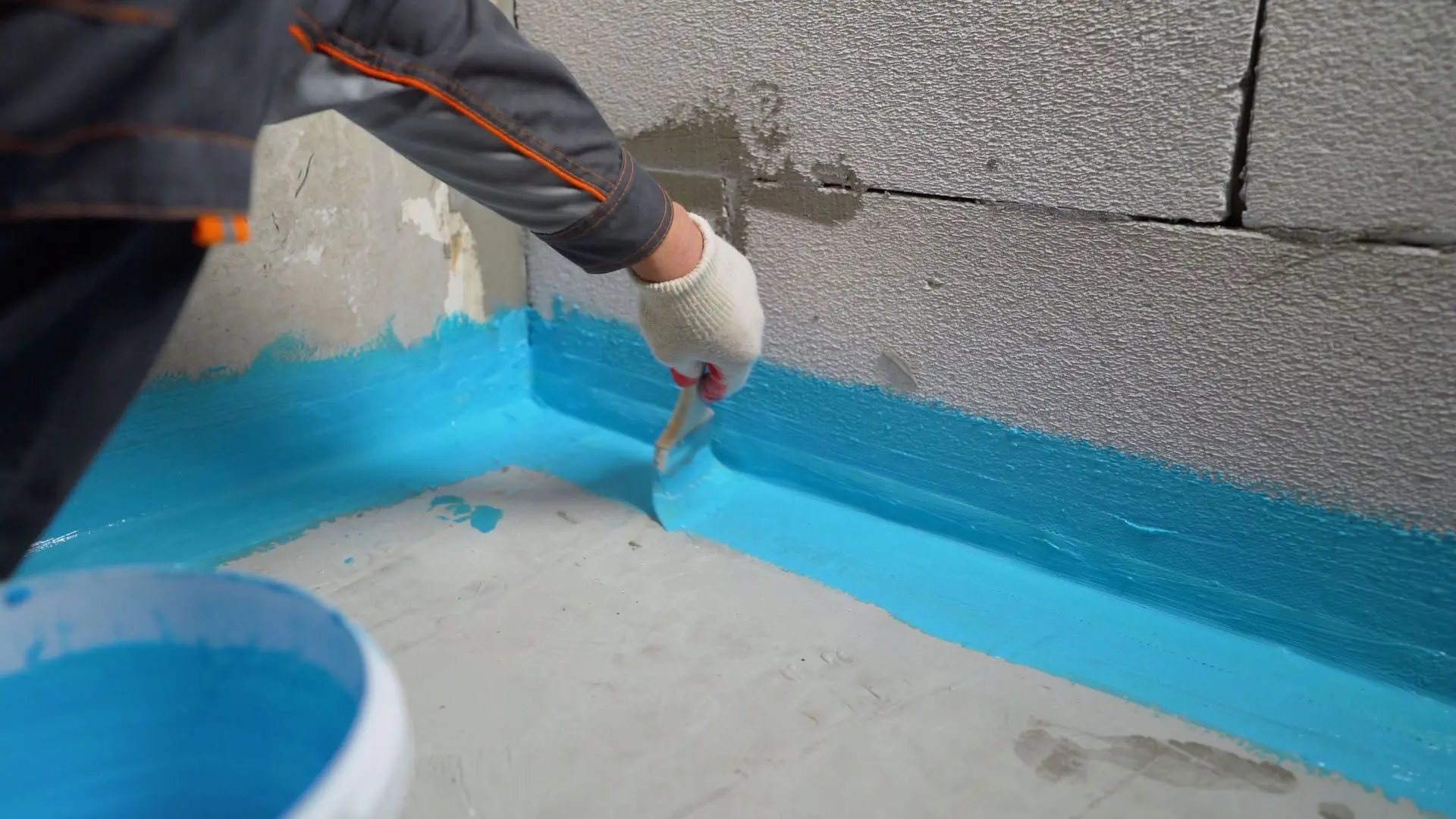
Most homes in the Houston area are built on slab foundations rather than basements, since the region’s high water table and expansive clay soil make traditional basements impractical for the vast majority of properties. Homeowners searching for basement waterproofing in Houston are often dealing with a below-grade space, a crawl space, or a partially below-grade room, and the moisture challenges there are just as real as they would be in a true basement.
Whatever the space is called, the underlying problem is the same. Water finds the lowest point, and Houston’s flat terrain, heavy rainfall, and clay-heavy soil make it easier for moisture to reach foundations and below-grade areas than in many other parts of the country.
This guide covers why below-grade spaces in Houston are prone to moisture problems, warning signs to watch for, practical steps homeowners can take, and when the situation calls for professional water damage restoration.
Why Below-Grade Spaces in Houston Are Prone to Moisture
Houston sits on a mix of clay and silty soils that expand when wet and contract when dry. That movement puts constant pressure on foundations and any below-grade walls, and over time it can create small cracks that let groundwater seep in during heavy rain.
The region’s high water table adds another layer of risk. After a significant rain event, groundwater levels can rise close enough to the surface that hydrostatic pressure pushes water toward the path of least resistance, which is often a foundation crack, a gap around a utility penetration, or an improperly sealed below-grade wall.
Heavy, fast-moving storms common during Houston’s spring and hurricane season concentrate a large amount of rainfall in a short period. Combined with flat terrain that drains slowly, that pattern means water often has more time sitting against a foundation than it would in a region with better natural drainage.
Warning Signs of Moisture Problems in Below-Grade Spaces
Below-grade water intrusion is not always obvious right away. A few signs tend to show up before a problem becomes severe.
- A musty odor in a below-grade room or crawl space, which often signals moisture that has not fully evaporated.
- Visible efflorescence, a white, chalky mineral deposit on concrete or block walls left behind as water evaporates.
- Peeling paint or bubbling on below-grade walls, which indicates moisture pushing through from behind the surface.
- Cracks in the foundation or below-grade walls, especially ones that appear to widen after heavy rain.
- Standing water or damp flooring following a storm, even if it dries out within a day or two.
- A noticeable increase in humidity in the space compared to the rest of the home.
Practical Waterproofing Steps for Houston Homeowners
A combination of exterior and interior measures gives below-grade spaces the best protection against Houston’s moisture challenges. Addressing water before it reaches the foundation is generally more effective than managing it after it gets inside.
- Grade the soil around the foundation so it slopes away from the house, which directs rainwater away rather than letting it pool against the walls.
- Extend downspouts several feet from the foundation, since a downspout that empties right next to the house effectively concentrates rainwater exactly where you do not want it.
- Seal visible cracks in foundation walls with an appropriate waterproofing sealant, and monitor them over time for any changes in size.
- Check window wells and any below-grade window seals for gaps that could let water in during heavy rain.
- Consider a sump pump with battery backup for any below-grade space prone to water intrusion, since Houston storms often bring power outages along with heavy rain.
- Maintain gutters year-round, since clogged gutters overflow near the foundation instead of directing water away from the home.
How Professional Water Damage Restoration Fits In
Once water has already gotten into a below-grade space, waterproofing shifts from prevention to restoration. If carpet, drywall, or flooring in the space has absorbed water, it needs to be addressed directly rather than simply drying out on its own.
We assess below-grade water intrusion by identifying the source, checking moisture levels in affected materials with moisture meters, and determining whether materials can be dried in place or need to be removed. Standing water is extracted first, followed by structural drying using air movers and dehumidifiers to bring affected materials back to an appropriate dry standard.
Houston’s humidity makes this step especially important. A below-grade space that stays even slightly damp after a storm provides ideal conditions for mold growth, so confirming a thorough dry rather than assuming the space has dried on its own protects the space long term.
When a Foundation or Structural Issue Needs Attention
Waterproofing tips can reduce risk, but they do not fix an underlying foundation problem. If cracks continue to widen, if water intrusion happens repeatedly despite exterior improvements, or if there are signs of settling or structural movement, a foundation specialist should evaluate the property directly.
Addressing a structural issue alongside water damage restoration gives homeowners a complete solution rather than repeatedly drying out a space that will keep taking on water until the underlying cause is fixed.
Getting Help With Water Damage in Your Houston Home
If your below-grade space, crawl space, or foundation area has taken on water, we provide water damage restoration for Houston homeowners, from assessment and extraction through structural drying and mold prevention. Reach out as soon as you notice moisture, since addressing it early keeps a manageable problem from becoming a larger one.
Frequently Asked Questions
Do most Houston homes have basements?
No. Most homes in the Houston area are built on slab foundations because of the high water table and expansive clay soil, though some properties do have below-grade rooms, crawl spaces, or partially below-grade areas that face similar moisture challenges.
What causes water to seep into a below-grade space in Houston?
Groundwater pressure, foundation cracks, and poor drainage around the home are the most common causes. Houston’s clay soil and high water table make below-grade areas more prone to this kind of moisture intrusion than in many other regions.
How can I tell if my below-grade space has a moisture problem?
Look for a musty smell, white mineral deposits on walls, peeling paint, or visible cracks that widen after rain. These signs often appear before water intrusion becomes severe enough to see standing water.
Can I waterproof a below-grade space myself?
Some steps, like grading soil away from the foundation and extending downspouts, are reasonable for homeowners to handle. Sealing significant cracks or addressing recurring water intrusion typically calls for a professional evaluation.
When should I call a restoration company instead of just drying the area myself?
If water has soaked into flooring, drywall, or other materials, or if the space stays damp for more than a day or two, professional assessment helps confirm materials are truly dry and prevents hidden moisture from leading to mold.
Final Takeaways on Basement Waterproofing in Houston
Below-grade moisture problems in Houston come down to the region’s clay soil, high water table, and heavy rainfall patterns, which put steady pressure on foundations even without a major storm. Grading, drainage, and sealing cracks early go a long way toward keeping water out in the first place.
If water has already made it into your below-grade space, do not wait for it to dry on its own. Reach out to us so we can assess the moisture, extract any standing water, and confirm the space is fully dry before mold has a chance to develop.