
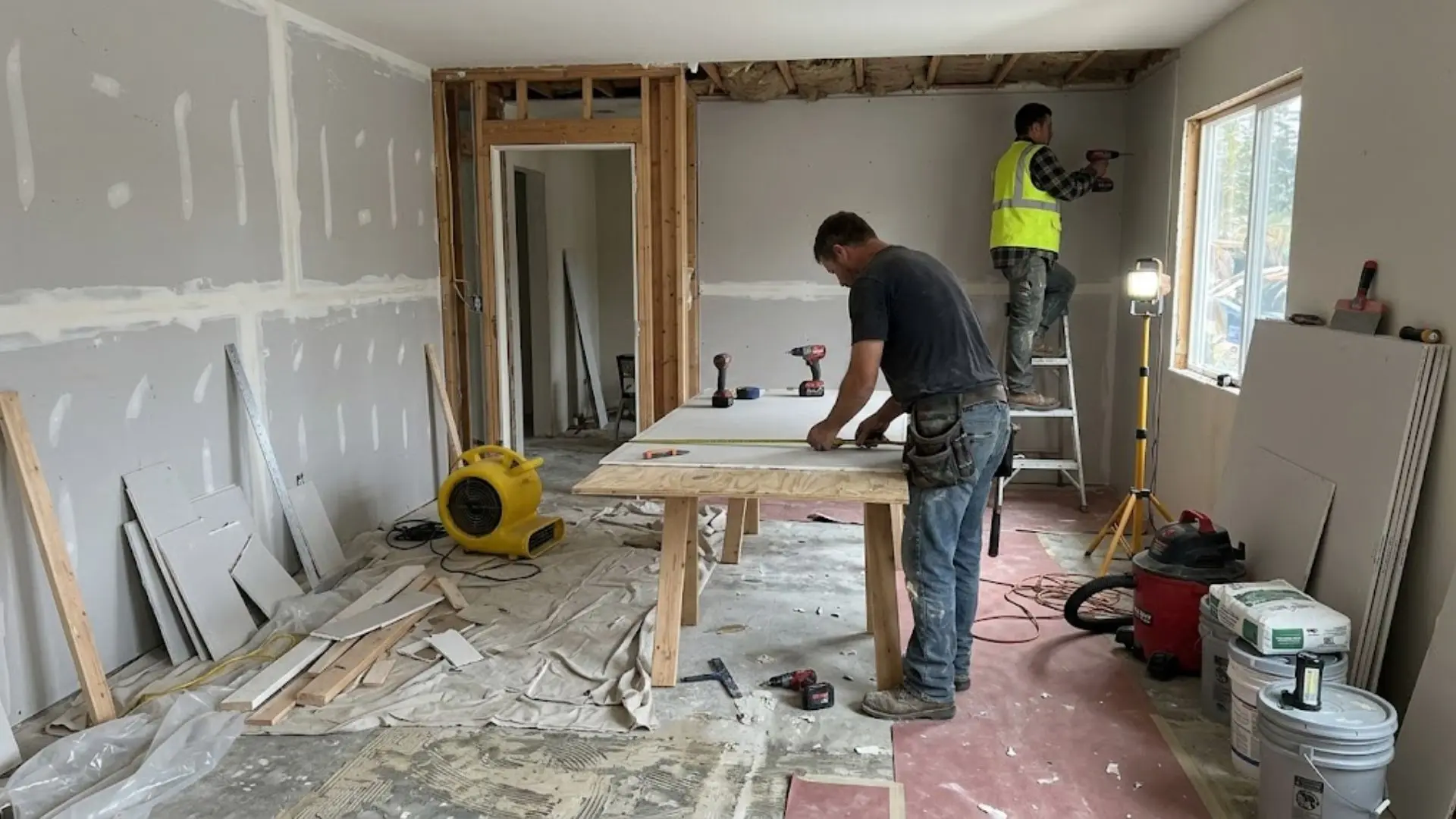
Drying out a water-damaged home is only half the job. Once the moisture is gone, damaged drywall, flooring, and framing still need to be removed and rebuilt before a Houston home is truly back to normal, and that’s where rebuild and reconstruction work begins.
This article walks through what happens during reconstruction after water damage, from the first day of demolition to the final finishes. We’ll also cover typical timelines, how insurance fits into the process, and the signs that point to a full reconstruction rather than a smaller repair.
If your Houston home needs rebuild and reconstruction work after water damage, knowing what to expect at each stage makes the process far less stressful.
Where Reconstruction Fits in the Restoration Process
Water damage recovery generally happens in stages, and reconstruction is the final one. Mitigation stops the damage from spreading and removes standing water. Restoration dries the structure and address+es issues like mold before they take hold. Reconstruction is the phase where damaged materials are actually removed and rebuilt, taking a home from “dried and cleaned” to “fully repaired.”
Not every water damage event requires the full reconstruction phase. A small leak caught early might only need a section of drywall replaced. A larger event affecting flooring, framing, or multiple rooms is where a structured rebuild process becomes necessary.
Our Rebuild and Reconstruction Process
Demolition and Debris Removal
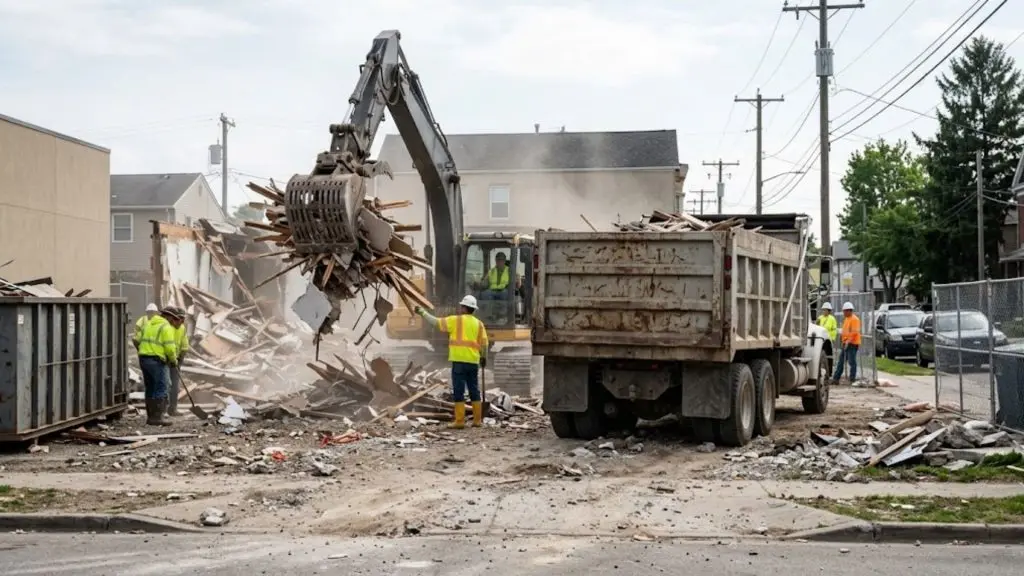
The first phase involves removing materials that were too damaged to save, such as saturated drywall, flooring, insulation, or cabinetry. This step also gives our team a clear look at the structure underneath, which helps confirm the true extent of the damage before rebuilding begins.
Structural Repairs
Once the damaged materials are cleared out, we move into structural repairs. This can include repairing or replacing framing, subflooring, and other structural components affected by water, as well as roof repairs when the damage originated from above. Getting the structure sound again is the foundation for everything that follows.
Plumbing and Electrical Work
Water damage often affects plumbing and electrical systems in walls or floors, so this phase addresses any repairs or replacements those systems need before the space is closed back up. Handling this before finishes go in helps avoid having to reopen finished walls later.
Final Finishes
The last phase brings the space back to a livable, finished condition, including drywall installation, painting, flooring, trim, and fixtures. This is the stage where a home starts to look like itself again rather than a construction site.
What Trades Are Involved in a Reconstruction Project
A rebuild after water damage rarely involves just one trade. Depending on the extent of the damage, our reconstruction work can include structural carpentry, roofing repair, plumbing, and electrical work, along with the drywall, painting, and flooring needed to finish a space. Coordinating these trades under one restoration team keeps the project on a single timeline instead of juggling separate contractors for each piece of the job.
Building Back With Houston’s Climate in Mind
Houston’s Gulf Coast humidity and hurricane season risk make material choices during reconstruction worth thinking about carefully. Where it makes sense, using moisture-resistant materials during the rebuild phase can help a home hold up better against future humidity and reduce the chances of repeat water or mold issues down the road. This is especially relevant for homes that have already been through a storm damage restoration event and want to reduce their exposure the next time severe weather rolls through.
How Long Does Reconstruction Take
Timelines depend heavily on the scope of the damage. Small repairs, like patching a section of drywall or replacing a few flooring tiles, may take a few days from start to finish. A full reconstruction involving multiple rooms, structural repairs, and complete finish work can take several weeks, particularly if plumbing or electrical systems need significant work.
We walk Houston homeowners through a realistic timeline once our team has assessed the damage, since guessing at a schedule before that assessment tends to create more frustration than clarity.
Working With Your Insurance Company
Reconstruction is often the most expensive phase of a water damage claim, which makes insurance coordination especially important. We work directly with your insurance company to help make the claims process smoother, from documenting the damage to communicating scope and pricing on repairs.
Having a restoration company that handles water damage mitigation and restoration through to final reconstruction also means fewer handoffs between separate contractors, which can help keep a claim moving without added delays.
Signs Your Home Needs Full Reconstruction, Not Just Repairs
Some water damage situations clearly call for a full reconstruction process rather than a small patch job:
- Water sat for an extended period before it was discovered
- Multiple rooms or floors were affected
- Structural framing, subflooring, or load-bearing elements were damaged
- Mold was found during the mold removal process and required removal of affected materials
- Damage originated from a sewage backup, fire, or major storm event
If any of these apply to your situation, it’s worth having a full assessment done before assuming a simple repair will be enough.
Frequently Asked Questions
What is the difference between water damage restoration and reconstruction?
Restoration focuses on drying out and cleaning a structure after water damage, while reconstruction rebuilds the materials that couldn’t be saved. Both phases are often needed together for anything beyond a minor leak.
How long does a full reconstruction project take?
Full reconstruction can take several weeks, depending on how many rooms are affected and whether structural, plumbing, or electrical repairs are involved. Smaller repair jobs may only take a few days.
Will my insurance cover reconstruction costs?
Coverage depends on your specific policy and the cause of the damage. We work directly with insurance companies to help document damage and communicate scope, which can make the claims process easier to navigate.
Do I need to move out during reconstruction?
It depends on the extent of the damage and which areas of the home are affected. Homeowners can sometimes stay in unaffected parts of the home during smaller projects, while larger reconstructions may require temporary relocation.
Can the same company handle both water damage cleanup and reconstruction?
Yes, and it’s often simpler that way. Handling mitigation, restoration, and reconstruction under one team can reduce delays and miscommunication between separate contractors.
What happens if new damage is found once demolition starts?
It’s common to find additional damage once walls or flooring are opened up, such as hidden moisture or affected framing. We document any new findings and communicate them before adjusting the repair plan, so there are no surprises later in the project.
Getting Your Home Fully Rebuilt
Reconstruction is what turns a dried-out, damaged home back into a finished, livable space, and having a clear process for each phase makes a stressful situation more manageable. Knowing what to expect from demolition through final finishes helps Houston homeowners plan for the road ahead.
If your home needs rebuilding and reconstruction work after water damage, our IICRC-certified team at Predator Restoration can walk you through the process from start to finish. Call us to schedule an assessment.