
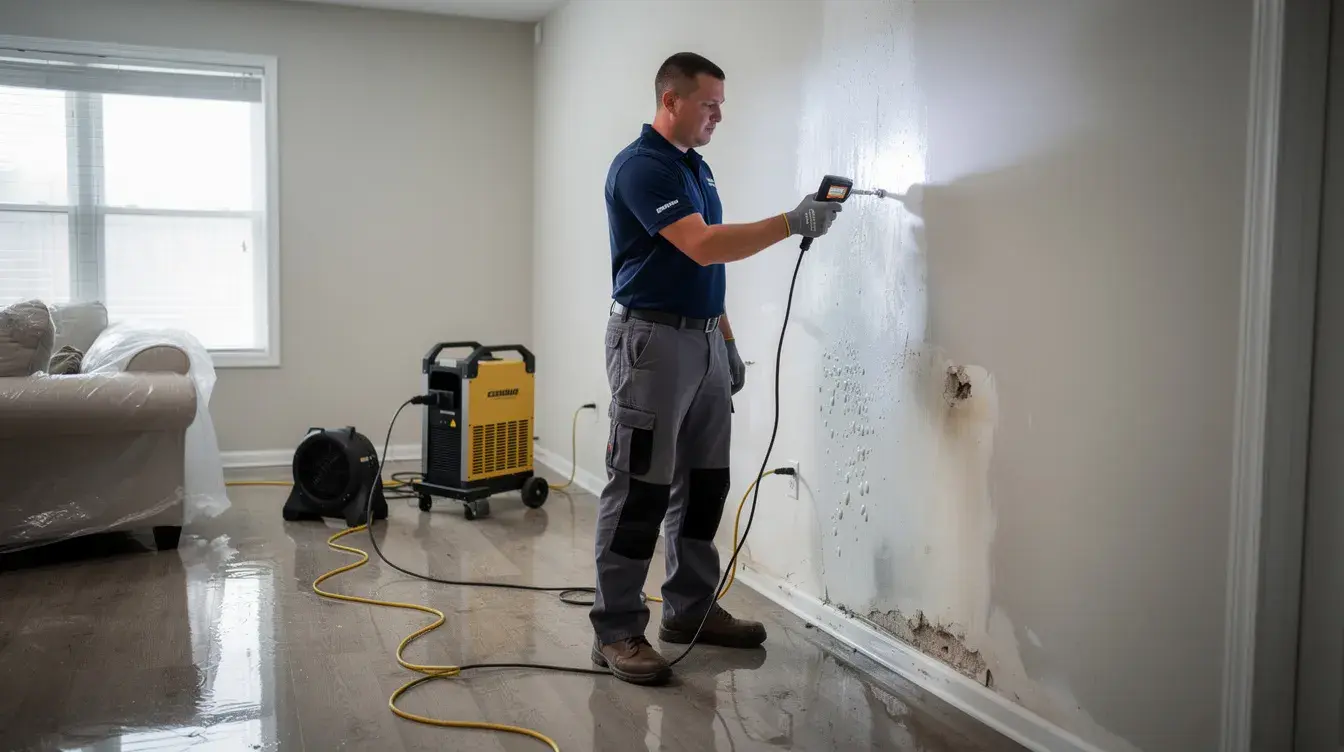
Introduction to Mold Growth
Mold growth is a persistent challenge for Houston homeowners, especially following water damage events like flooding, roof leaks, or burst pipes. The city’s consistently high humidity and warm temperatures create the perfect environment for mold to thrive, making this topic especially relevant for Houston residents who face frequent storms and high moisture levels. This guide is for Houston homeowners and property managers concerned about mold after water damage, providing essential information to help protect your property and health.
Mold spores are always present in the air, but they only start growing into active mold colonies when they land on wet materials such as drywall, wood framing, or insulation. Porous materials like drywall, insulation, and wood framing in Houston homes retain moisture and provide food for mold, making them particularly vulnerable after water exposure. Once these structural materials become damp, mold can begin to colonize within 24–48 hours, often before any visible mold growth appears. In Houston, mold can begin to colonize on wet materials within 24–48 hours due to high humidity, and visible mold growth can appear within 3–5 days, especially in areas with poor airflow and high humidity. This rapid onset means that even minor water damage can quickly escalate into significant mold problems, affecting both the structure of your home and your family’s health. Understanding how mold starts growing and the risks it poses to materials like insulation and drywall is essential for Houston homeowners who want to protect their property and prevent costly health issues.
Key Takeaways
Water damage in Houston creates a compressed timeline for mold growth that many homeowners underestimate. Here’s what you need to know right now:
- In Houston’s climate, mold can begin to grow within 24 hours and is often well established by 48–72 hours after water damage occurs.
- Houston’s heat and humidity dramatically accelerate mold growth compared to many other U.S. cities—outdoor humidity frequently exceeds 70%.
- Treat any wet building materials as an emergency and call Predator Restoration at (832) 937-4620 immediately.
- Predator Restoration offers 24/7 on-site response, full water damage mitigation, and mold remediation across greater Houston.
- Message us online for rapid assessment if you’ve experienced water damage in your home or business.
How Fast Does Mold Grow After Water Damage in Houston?
In Houston, mold can begin to colonize on wet materials within 24–48 hours due to high humidity, and visible mold growth can appear within 3–5 days, especially in areas with poor airflow and high humidity. This timeline is not theoretical—it’s what restoration professionals see repeatedly in local properties.
Here’s how the timeline typically unfolds:
| Timeframe | What’s Happening |
|---|---|
| Day 1 (0-24 hours) | Mold spores settle on damp surfaces; germination begins on wet drywall, insulation, and wood framing |
| Days 2-3 (24-72 hours) | Early colonies form inside wall cavities, beneath flooring, and inside cabinet bases—often invisible to the naked eye |
| Days 4-7 | Visible mold growth appears on walls, ceilings, and baseboards; musty odors become noticeable |
Houston’s common indoor temperatures (72–78°F) and frequent indoor humidity above 60% create ideal conditions for rapid mold colonization. By the end of the first week, untreated trapped moisture in Houston properties can lead to widespread contamination, structural issues, and strong musty odors throughout the affected areas.
If you’re within that 0–72 hour window after water damage, call Predator Restoration at (832) 937-4620 for immediate emergency drying and mold prevention.
Why Houston’s Climate Accelerates Mold Growth
Houston’s Gulf Coast climate—high humidity, warm temperatures, and frequent storms—compresses the usual 24–48 hour mold window even further than in drier regions.
Typical Houston weather patterns create persistent challenges:
- Summer heat index regularly exceeds 100°F
- Dew points often surpass 70°F
- Outdoor air frequently reaches 70–85% relative humidity
- Frequent severe thunderstorms and tropical systems introduce large water volumes
Opening windows and using box fans after water damage can actually backfire in Houston. External air brings moisture inside, and evaporative drying is severely limited when ambient humidity is already elevated.
Running HVAC systems in wet buildings can spread moisture and mold spores through HVAC ducts, especially if filters and coils are already damp or dirty. This secondary contamination pathway is often overlooked by many homeowners attempting DIY mitigation.
Professional structural drying with commercial air movers and low-grain refrigerant dehumidifiers is strongly recommended in Houston—not just DIY fan use.
Houston Water Damage Types and How They Influence Mold Timelines
Not all water damage is equal. Clean pipe leaks, roof leak events during storms, and bayou flooding each create different mold risks and timelines.
Clean water events common in Houston include:
- AC condensate line failures
- Supply line bursts in two-story homes
- Water heater failures
These events introduce freshwater but can still create mold in drywall, subfloors, and cabinets within 24 hours if not dried properly.
Storm-related intrusions such as wind-driven rain through roof damage in North Houston or Cypress introduce moisture into attic insulation and wall cavities where it often hides for weeks if not detected with meters.
Category 3 contamination typical of Houston flooding (bayou overflows, street and sewer backups) introduces bacteria and contaminated materials. In these scenarios, occupant safety and contamination cleanup are as urgent as mold prevention.
Predator Restoration’s technicians are trained to identify water category, contamination, and hidden moisture sources on site across Houston, Willowbrook, Klein, Jersey Village, Kingwood, and surrounding communities.
Critical 72-Hour Response Timeline to Prevent Mold in Houston Homes and Businesses
The first 72 hours after water damage in the Houston area determine whether you’re dealing with simple drying or a full mold remediation project. Here’s your time-based playbook.
0–24 Hours After Water Damage: Act Before Mold Starts
Immediate steps once water is discovered:
- Stop the water source (shut off main water valve or apply roof tarp)
- Avoid unsafe areas with electrical hazards or structural instability
- Contact a professional mitigation company
Predator Restoration’s team responds in this window with on-site assessment, initial water extraction, and moisture mapping using meters and thermal imaging. Fast extraction during this period can mean the difference between simple drying and a full mold project.
Porous materials like carpet pads, drywall, and insulation begin absorbing moisture almost immediately, especially in slab-on-grade homes common around Houston and Cypress. Don’t wait for visible mold—by the time you see spotting, colonization behind surfaces may already be extensive.
24–48 Hours: Hidden Mold Risk in Walls, Floors, and Cabinets
By 24–48 hours, mold spores on damp wet materials can germinate and form early colonies inside wall cavities, beneath flooring, and in cabinet bases. These colonies are often completely invisible from the surface.
During this window, Predator Restoration deploys professional air movers and low-grain refrigerant dehumidifiers, focusing on structural drying of structural materials—not just surface-level cleanup. Continuous moisture monitoring with calibrated meters documents readings for your insurance claim and confirms conditions are moving toward safe dry standards.
In Houston’s humidity, DIY fan-only approaches usually fail at this stage, leaving internal wood framing, subfloors, and insulation above safe moisture content levels.
If 24–48 hours have already passed and materials remain wet, call Predator Restoration at (832) 937-4620 immediately for emergency mitigation and mold risk assessment.
48–72 Hours and Beyond: When Mold Is Likely Active
Once a property has had wet drywall, framing, or insulation for 48–72 hours in Houston, active mold growth should be assumed likely—especially if you notice musty odors or visible staining.
Early signs to look for at this stage:
- Discoloration at baseboards
- Warped trim or bubbling paint
- Dark lines on drywall seams
- Persistent “earthy” or “damp basement” smells
Predator Restoration can perform targeted demolition (flood-cuts in drywall, removal of saturated carpet pad, opening wet cabinet toe kicks) to expose and remove early mold growth before it becomes a whole-structure problem.
After 72 hours, the focus typically shifts from pure water mitigation to combined water and mold remediation, including containment and HEPA-filtration measures. Business owners operating daycares, medical offices, restaurants, or apartment communities in greater Houston should treat this timeframe as a critical indoor air quality and liability concern.
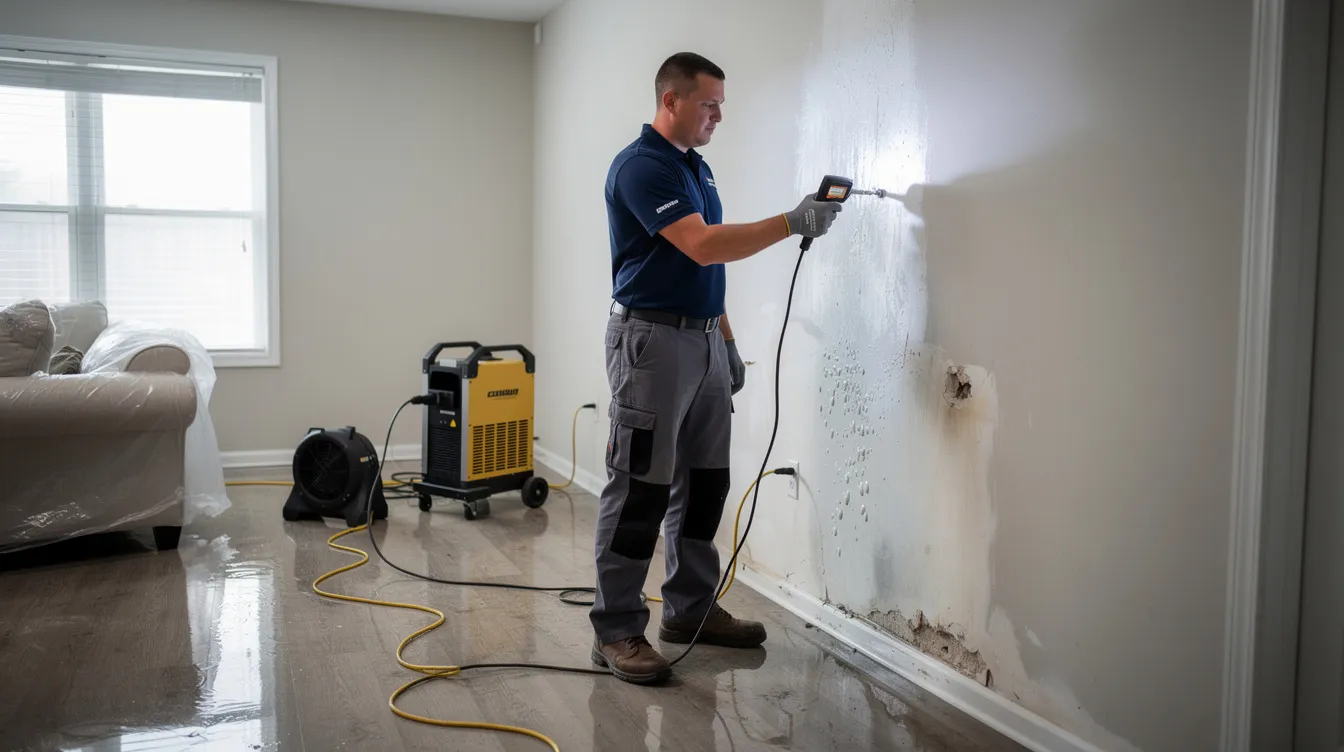
Common Places Mold Grows First After Water Damage in Houston Properties
Houston homes and commercial buildings share several design features where moisture collects and mold thrives and often appears first.
High-risk locations include:
- Behind baseboards and lower drywall
- Under carpet and pad (especially on slab foundations)
- Inside wall cavities behind showers and tubs
- Under kitchen and bathroom cabinets
- Inside HVAC closets and return air chases
Musty odors near these hotspots—even without visible mold growth—are strong indicators of hidden mold problems in Houston’s humid environment.
Predator Restoration’s technicians routinely find mold in these concealed areas days to weeks after events like upstairs bathroom overflows or AC drain line backups in Houston, Klein, and Kingwood homes.
If any of these areas were wet for more than 24 hours or show visual staining, warping, or odor, professional inspection and moisture mapping is essential.
Visible Signs of Mold After Water Damage
After water damage, visible signs of mold growth can range from black or green patches on walls and ceilings to white, fuzzy spots on surfaces. Sometimes, the first clue is a persistent musty odor, even if no mold is immediately visible. Mold often develops in hidden areas, such as beneath flooring, inside wall cavities, or within HVAC systems, making it difficult to detect without a thorough inspection. Homeowners should also watch for signs of mold exposure, including unexplained health issues like allergies or respiratory irritation, as well as structural issues such as warped flooring or peeling paint. If you suspect mold or notice any of these warning signs, it’s crucial to act quickly to prevent cross contamination and further damage. Professional mold remediation is often necessary to safely remove contaminated materials, ensure the affected areas are dried properly, and restore your home to a healthy condition.
How Predator Restoration Prevents and Removes Mold After Water Damage
Predator Restoration delivers a full-service approach: immediate water damage mitigation, structural drying, and when needed, complete professional mold remediation and reconstruction—handled by one coordinated team.
Unlike companies focusing on cosmetic cleanup, Predator Restoration prioritizes finding and drying hidden moisture in framing, subfloors, and cavities to prevent mold before it spreads.
Our Hands-On, On-Site Assessment and Mitigation Process
Predator Restoration’s technicians personally arrive on site—rather than relying on remote estimates—to inspect every affected room and structural area.
Professional tools deployed include:
- Thermal imaging cameras
- Non-invasive and penetrating moisture meters
- Hygrometers for humidity monitoring
Technicians map out “wet zones” and develop a customized drying and remediation plan, including where to remove contaminated materials versus where to dry in place safely. This thorough, hands-on process prevents secondary damage like mold growth, structural deterioration, and long-term odors.
Detailed documentation supports insurance coverage claims and speeds approvals for both water damage mitigation and mold remediation.
Professional Mold Remediation When Growth Has Already Started
If you suspect mold or active mold is discovered, Predator Restoration transitions to a full remediation protocol following industry best practices and Texas regulations.
Key remediation steps include:
- Containment of the extent of affected area
- HEPA-filtered negative air pressure to prevent cross contamination
- Careful removal and bagging of contaminated drywall and insulation
- Thorough HEPA vacuuming of all surfaces
- Application of antimicrobial treatments to framing and air handling components
After remediation and verification, Predator Restoration coordinates rebuild and reconstruction of removed materials, including drywall, trim, flooring, and paint. This end-to-end approach limits downtime for Houston businesses and reduces disruption for homeowners.
If you can already see mold spots or smell musty odors after water exposure, call (832) 937-4620 for 24/7 mold remediation help.
DIY vs. Professional Help: When Houston Homeowners Should Call Predator Restoration
Some small, quickly dried spills can be handled by property owners. However, most structural water damage in Houston warrants professional help due to climate and building complexity.
DIY may be acceptable when:
- Minor spills on tile mopped up within an hour
- No porous materials affected
- No odor after 24 hours
Call a professional when:
- Water soaking into drywall or insulation
- Water running under walls or cabinets
- Standing water present for more than a few hours
- Any history of flooding or sewage involvement
- Musty odors developing (indicator of hidden mold)
- Temperature or humidity conditions that prevent natural drying
The risks of incomplete DIY drying in Houston include hidden mold growth, structural rot, damaged indoor air quality, and reduced property value—damage that may not show for weeks or months.
Unsure about the severity of your water damage event or mold risk? Contact Predator Restoration at (832) 937-4620 or submit questions through our online form for expert guidance.
Tips for Houston Homeowners to Prevent and Address Mold Growth
Preventing mold growth in Houston starts with controlling indoor humidity and responding quickly to any water damage event. Houston homeowners should use commercial air movers and dehumidifiers immediately after water exposure to remove trapped moisture from walls, flooring, and other structural materials. Regularly inspecting HVAC systems, roofs, and plumbing can help catch leaks or condensation issues before they lead to mold problems. It’s also important to follow proper cleanup and mitigation steps—thoroughly drying all affected areas and removing any wet or contaminated materials where mold thrives. If mold growth is discovered, or if you suspect hidden mold, hiring a professional mold remediation service is the best way to ensure the problem is addressed safely and completely. By taking these proactive measures, homeowners can prevent mold, protect their health, and avoid costly repairs down the line.
Serving Greater Houston: 24/7 Water Damage and Mold Response
Predator Restoration is locally based in Houston and focuses specifically on the greater Houston area’s water, flood, storm, and mold challenges. Swift action is our standard.
Communities served include:
- Houston
- Willowbrook
- Klein
- Cypress
- Jersey Village
- Kingwood
- North Houston and surrounding neighborhoods
Response teams are available around the clock, 365 days a year—because leaks, burst pipe events, and storms rarely happen during business hours. Fast mobilization and on-site assessment are especially critical in Houston, where every hour of delay increases the chance of mold growth after water damage.
Experiencing active water damage or suspected mold? Call Predator Restoration at (832) 937-4620 right now for immediate help or request service online.
Frequently Asked Questions About Mold Growth After Water Damage in Houston
Houston property owners frequently have specific questions about mold timelines, health issues, and next steps. Here are answers to the most common concerns.
How long do I really have before mold starts after a leak or flood in Houston?
In Houston’s climate, property owners should assume mold can begin within 24 hours on wet drywall, wood, and insulation, with significant growth likely by 48–72 hours if materials remain damp. While every water damage event is unique, waiting “a few days” before taking mitigation steps in Houston almost always increases the scope and cost of remediation. The safest course is to call Predator Restoration as soon as water damage is discovered so drying can begin immediately.
Can I just run my air conditioner and fans to dry things out instead of calling a professional?
While air conditioning and fans can help in limited surface-level situations, they rarely dry wall cavities, subfloors, and insulation adequately in Houston’s high humidity. Using fans without dehumidification can actually move moist air into other parts of the building and spread mold spores once growth begins. Professional structural drying with commercial dehumidifiers and targeted airflow is recommended for any event where water reached drywall, flooring, or cabinets.
We experienced water damage a few weeks ago and now I smell a musty odor—does that mean we have mold?
Persistent musty or “earthy” odors after previous water damage are a strong indicator of hidden mold growth, even if no visible spots are present. In Houston homes, this often means mold is present behind walls, beneath flooring, or inside HVAC systems where moisture was never fully removed. Predator Restoration can perform a detailed moisture and mold inspection, including selective opening of suspect areas, to confirm and address the problem before health concerns worsen.
Is mold exposure from water damage in Houston dangerous to my health?
Mold exposure affects people differently, but it can trigger or worsen allergies, asthma, and respiratory irritation—especially in children, elderly individuals, and those with compromised immune systems. Houston’s year-round humidity can allow mold to remain active and release spores into indoor air over long periods if not properly addressed through professional mold remediation. Anyone noticing health symptoms after dealing with water damage should avoid disturbing suspect areas and contact Predator Restoration for safe remediation options.
Will my insurance cover mold remediation after water damage in Houston?
Many homeowners’ and commercial property policies cover mold remediation when it is the direct result of a sudden, covered water damage event such as a burst pipe or appliance failure. However, insurance coverage limits and exclusions vary significantly, and delays in reporting damage or starting mitigation can complicate claims. Predator Restoration is experienced in documenting water and mold damage with detailed reports and photos to protect your claim and support Houston-area insurance submissions.
Conclusion
In conclusion, mold growth is a serious concern for Houston homeowners, especially after water damage events. Recognizing the early signs of mold growth, taking preventive steps, and addressing mold problems promptly are essential for protecting your health, your property, and your insurance claim. Professional mold remediation and thorough cleanup are key to preventing mold from spreading and causing further health issues or structural damage. By acting swiftly—ideally within 24–48 hours of water damage—and seeking professional help when needed, Houston homeowners can prevent mold problems, safeguard their homes, and ensure a safe, healthy living environment. Don’t wait for mold to start growing—take action now to protect your home and your family.