
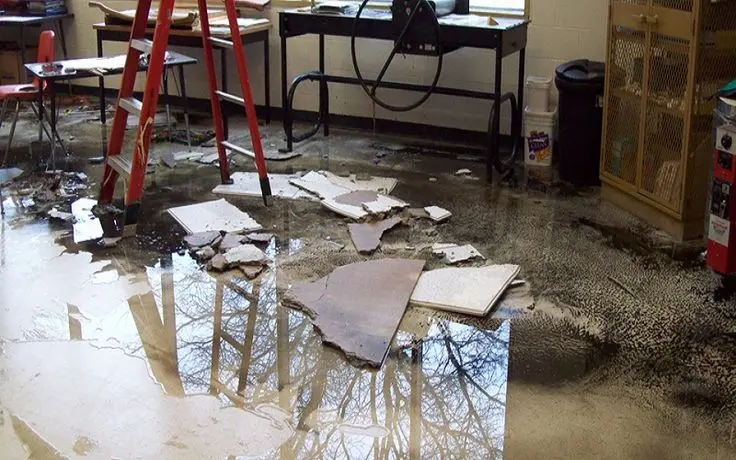
Homeowners in Southeast Texas often face sudden flooding from seasonal storms or unexpected pipe bursts, leading to the urgent question of how long the recovery process lasts. On average, professional water damage restoration in Houston typically takes between three to seven days for standard drying, though full reconstruction can extend the timeline to several weeks depending on the severity of the saturation. Because the Gulf Coast climate introduces high ambient humidity, the extraction and structural drying phases are the most critical components of the schedule to prevent secondary issues like mold growth.
How long does it take for water damage to be repaired?
The total time required for repair depends heavily on whether you are looking at the initial “mitigation” phase or the final “restoration” phase. Mitigation, which involves stopping the leak and drying out the structure, usually concludes within 72 to 96 hours. Restoration, which involves replacing drywall, installing new flooring, and painting, can take anywhere from one to three weeks. In neighborhoods like River Oaks or The Heights, where many homes feature older hardwood floors or intricate pier-and-beam foundations, the drying process may require specialized equipment that adds a few days to the initial phase.
Phase 1: Emergency Assessment and Water Extraction
The first 24 hours are dedicated to stabilization. Technicians arrive to map the moisture levels using infrared cameras and moisture meters. They then use industrial-grade sub-surface extractors to remove standing water from carpets and pads. This phase is usually completed within 4 to 8 hours of the team arriving at your property.
Phase 2: Structural Drying and Dehumidification
This is the longest part of the initial cleanup. High-velocity air movers and LGR (Low Grain Refrigerant) dehumidifiers must run constantly to pull moisture out of the air and porous materials. In the humid Houston environment, skipping dehumidification can lead to “secondary damage” where moisture from the air ruins previously unaffected materials.
What factors influence the water damage restoration Houston timeline?
Several variables dictate how quickly a home returns to its pre-loss condition. The volume of water is the most obvious factor, but the “category” of water is equally important. Clean water from a supply line dries faster than “black water” from a sewage backup, which requires extensive sanitation and demolition of porous materials that cannot be salvaged.
- Extent of Saturation: A small leak in a bathroom in West University takes less time than a whole-home flood in Kingwood.
- Type of Materials: Drywall and laminate flooring dry relatively quickly, while solid oak flooring or concrete subfloors require extended “save-dry” cycles.
- Local Climate: Houston’s outdoor humidity often exceeds 80 percent, which means technicians cannot simply “crack a window” to help; they must create a controlled “drying envelope” inside the home.
- Accessibility: If a home is located near the busy Texas Medical Center or during a major event at NRG Stadium, logistics for equipment delivery and daily monitoring can face minor delays.
Can you leave a house with water damage?
It is often recommended to vacate the premises if the water damage affects primary living areas or if the category of water poses a health risk. Professional water damage restoration houston teams use loud, high-powered machinery that must run 24/7, which can make sleeping and daily activities difficult. Additionally, if the water originated from a storm surge near Buffalo Bayou, the risk of contaminants makes the environment unsafe for children, the elderly, or those with respiratory issues until the sanitization phase is complete.
The decision to stay or go often hinges on the availability of utilities. If the electrical system was compromised or if the HVAC system must be shut down to prevent the spread of mold spores, the home effectively becomes uninhabitable. When you are ready to begin the recovery process, reaching out to a professional is the most effective way to determine if your home is safe for occupancy during the drying stages.
Typical Timeline for Water Damage Drying Time Houston
Understanding the day-by-day breakdown helps homeowners manage expectations and coordinate with insurance adjusters. While every loss is unique, most residential projects follow a predictable path through the drying and cleaning stages.
| Day | Activity Description | Goal |
| Day 1 | Inspection, extraction, and equipment setup | Stop the spread of water |
| Day 2 | Active drying and daily moisture monitoring | Reduce moisture in materials |
| Day 3 | Final structural drying and antimicrobial application | Reach “dry standard” |
| Day 4-5 | Equipment teardown and final cleaning | Prepare for repairs |
| Week 2+ | Drywall repair, flooring installation, and painting | Full aesthetic restoration |
How quickly does mold start to grow after water damage?
In the humid climate of the Houston area, mold can begin to colonize within 24 to 48 hours of initial exposure. This is why a rapid restoration timeline Houston TX is so vital to the health of the building. Mold thrives in dark, damp spaces, such as the wall cavities behind baseboards or underneath kitchen cabinets. If the drying process is delayed by even a single day, the scope of work often shifts from simple drying to complex mold remediation, which adds significant time and cost to the project.
Because mold spores are opportunistic, they will attach to organic materials like the paper backing on drywall or the wood framing of a home. If you notice a musty odor or visible spotting near the Memorial Park area or surrounding suburbs, it is an indication that the window for simple drying has closed. To prevent this escalation, finding an expert immediately after a leak ensures that professional-grade antimicrobial treatments are applied before spores can take hold.
Dealing with Flood Cleanup Duration Houston After Major Storms
Houston is no stranger to massive rain events that overwhelm local drainage systems like the Addicks and Barker Reservoirs. During a city-wide flooding event, the flood cleanup duration Houston homeowners experience may be longer due to the high demand for equipment and certified technicians. In these scenarios, the focus is on “mucking out”—removing wet insulation, drywall, and flooring—to “breathe” the house and stop the rot.
- The “Four-Foot Cut”: In many flood situations, technicians will remove the bottom four feet of drywall throughout the home to ensure the wall studs can be properly cleaned and dried.
- Sanitization: Floodwater is considered Category 3 (Black Water) and requires specialized biocide treatments to kill bacteria and pathogens.
- Documentation: For FEMA or private insurance claims, detailed photos and moisture logs must be kept throughout the process to ensure proper reimbursement.
Navigating the complexities of a large-scale flood requires professional guidance to ensure no steps are missed in the sanitization process. You can contact us to speak with a specialist who understands the specific requirements of Houston flood zones and insurance protocols.
Frequently Asked Questions (FAQs)
How long does it take for a ceiling to dry after a leak?
A drywall ceiling usually takes 2 to 3 days to dry if the source of the leak is stopped and professional dehumidifiers are used. However, if the insulation above the ceiling is saturated, it must be removed and replaced, as wet insulation loses its R-value and holds moisture against the joists for weeks.
Will my hardwood floors be ruined if they get wet?
Not necessarily. If water damage restoration houston begins within the first 24 hours, specialized “floor mats” can often be used to pull moisture out through the wood’s pores. This process, known as wood floor rescue, can take 5 to 7 days but can save homeowners thousands in replacement costs.
Does insurance cover the cost of drying equipment?
Most standard homeowners insurance policies in Texas cover water mitigation, which includes the cost of professional drying equipment, as long as the damage was caused by a sudden and accidental discharge (like a burst pipe) rather than gradual seepage or lack of maintenance. If you are unsure about your policy coverage, you should contact us today for a professional assessment that you can provide to your adjuster.
Can I just use household fans to dry out my basement or crawlspace?
Household fans only move surface air and are rarely powerful enough to pull deep-seated moisture out of structural wood or concrete. In Houston’s humidity, using standard fans often just circulates moist air, increasing the risk of mold. Professional LGR dehumidifiers are required to actually remove the water from the environment.
How do I know when my house is officially dry?
Professional restorers use “dry standards” based on unaffected materials in the home. They use moisture meters to compare the readings of the damaged areas against “dry” areas. Once the readings match or fall within the acceptable percentage for that material, the equipment can be removed.
Conclusion
The journey from a flooded living room to a restored home is a multi-step process that requires precision, specialized technology, and local expertise. While the initial water damage restoration houston typically takes 3 to 5 days for the drying phase, the total time to return to normal depends on the speed of the initial response. By acting quickly and addressing the unique challenges of the Houston climate, homeowners can protect their property value and ensure a safe, mold-free environment.
When you are facing a property emergency, Predator Restoration serves as a trusted local service provider for families across the Greater Houston area. From the suburbs of Sugar Land to the historic streets of the Museum District, we provide a comprehensive solution to the problems discussed, ensuring your home is dried, cleaned, and restored to the highest standards.