
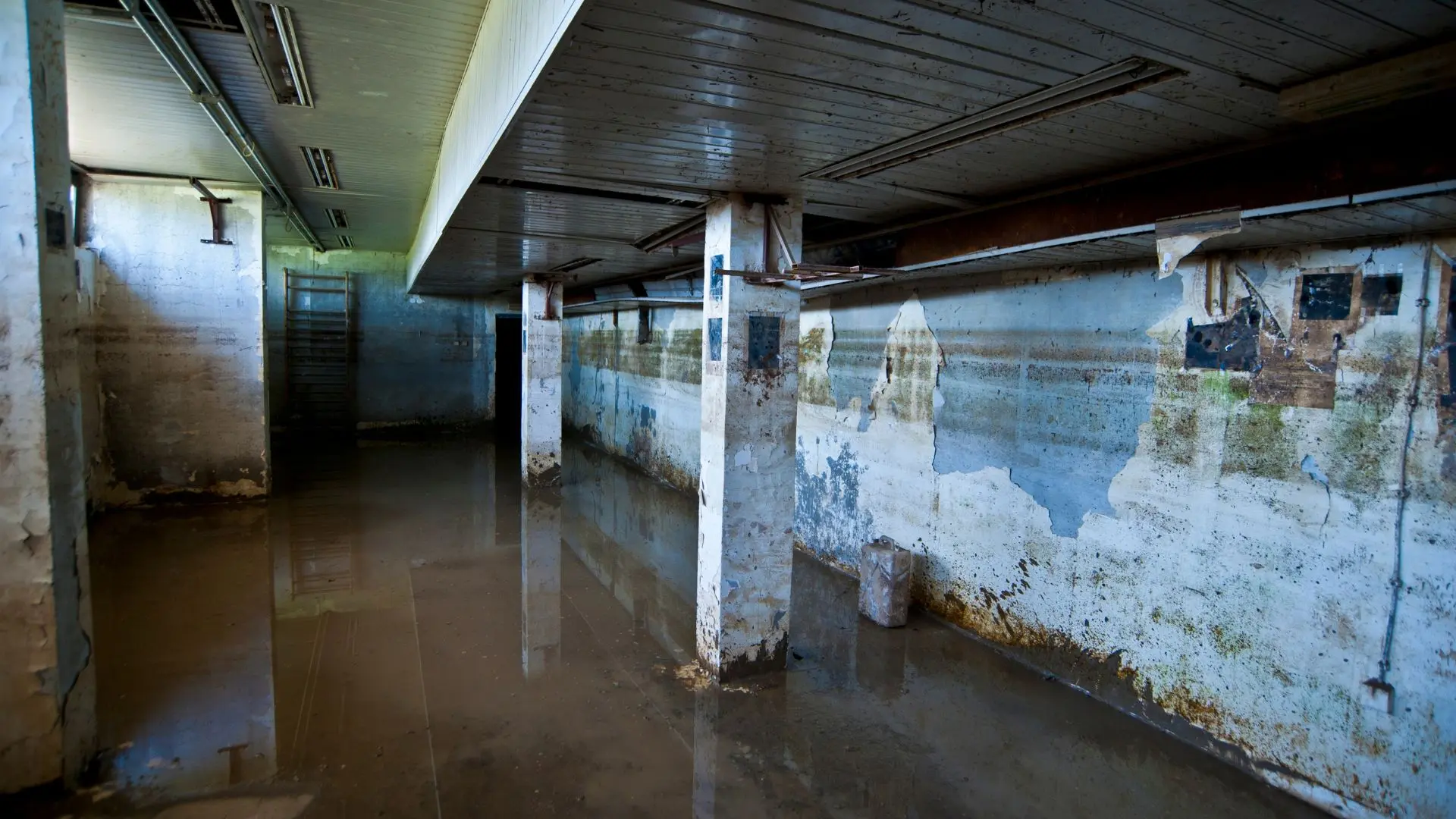
Heavy rainfall doesn’t just flood streets and yards, it can overwhelm municipal sewer systems to the point where wastewater has nowhere to go but back into homes. When that happens, the water coming up through drains, toilets, or floor level isn’t just dirty; it’s carrying bacteria, viruses, and waste that pose real health risks to anyone who comes into contact with it.
Immediate, professional cleanup isn’t optional in these situations. Sewage backup cleanup Houston services exist specifically to handle this kind of contamination safely, removing the risk along with the water.
Why Heavy Rainfall Can Lead to Sewage Backups
Sewage backups after storms usually trace back to one of a few specific failures in how wastewater moves through a system built for far less volume than a major rain event produces.
Overloaded Sewer Systems
Municipal sewer systems are designed for typical daily flow, not the sudden volume that heavy rainfall pushes through them. When capacity is exceeded, wastewater has nowhere to go and can push back through the pipes connected to individual homes.
Blocked Drainage and Sewer Lines
Debris, grease buildup, and tree root intrusion can narrow or fully block sewer lines. Combined with heavy rain, a partially blocked line often becomes the point where backups start, since water can’t clear fast enough to keep up with the incoming flow.
Backflow Into Homes
Without a functioning backflow prevention device, wastewater under pressure from an overloaded system can travel back up through household plumbing, entering through the lowest drains in the home — typically basement floor drains, toilets, or tub drains.
Common Causes of Sewage Backups After Heavy Rain
| Cause | How It Affects Your Home |
| Heavy rainfall | Overwhelms public sewer systems |
| Blocked sewer lines | Prevents wastewater from draining properly |
| Tree root intrusion | Damages underground pipes |
| Aging plumbing systems | Increases the likelihood of backups |
Health Risks Associated With Sewage Exposure
Sewage water is classified as the most contaminated category of water damage, and exposure carries risks that go well beyond an unpleasant mess.
Bacteria, Viruses, and Parasites
Sewage water commonly contains E. coli, salmonella, and other pathogens capable of causing gastrointestinal illness, skin infections, and more serious complications with direct contact or inhalation of contaminated particles.
Indoor Air Quality Concerns
As sewage water sits or dries, it releases odors and airborne particles that can irritate the respiratory system. Left untreated, contaminated air can circulate through a home’s HVAC system and affect rooms well beyond the original backup.
Mold Growth Following Sewage Intrusion
Sewage backups leave behind both moisture and organic material, creating ideal conditions for mold. Mold can begin developing within 24 to 48 hours, adding a second layer of contamination on top of the original sewage exposure.
Risks to Children, Older Adults, and Pets
Children, older adults, and pets are more vulnerable to the pathogens found in sewage water due to weaker immune responses and a higher likelihood of direct contact through crawling, low-to-ground movement, or curiosity around affected areas.
Water Categories and Health Risks
| Water Category | Description | Health Risk Level |
| Category 1 | Clean water from a sanitary source | Low |
| Category 2 | Contaminated water with some pollutants | Moderate |
| Category 3 | Sewage or floodwater with pathogens | Severe |
What Professional Sewage Backup Cleanup Includes
Because sewage water is classified as Category 3, cleanup requires a level of containment and disinfection that goes beyond standard water damage response.
1. Safety Assessment and Containment
Technicians assess the extent of contamination and set up containment barriers to prevent contaminated water and airborne particles from spreading to unaffected areas of the home.
2. Contaminated Water Removal
Industrial pumps and extraction equipment remove sewage water quickly, minimizing the time contaminants have to soak into flooring, subfloors, and other materials.
3. Removal of Unsalvageable Materials
Porous materials like carpet, carpet padding, and certain drywall sections that have contacted sewage water typically cannot be disinfected safely and are removed and disposed of properly.
4. Cleaning, Disinfection, and Deodorization
Remaining surfaces are cleaned and treated with hospital-grade disinfectants to eliminate pathogens, followed by deodorization to address odors left behind by the contamination.
5. Structural Drying and Moisture Monitoring
Industrial dehumidifiers and air movers dry out affected structural materials, with ongoing moisture monitoring to confirm materials reach safe levels before any rebuilding starts.
6. Repairs and Restoration
Removed drywall, flooring, or other materials are replaced and the affected area is restored to its condition prior to the backup.
Why Immediate Cleanup Makes a Difference
1. Protects Your Family’s Health
Fast removal of sewage water and thorough disinfection limits how long household members are exposed to bacteria, viruses, and airborne contaminants.
2. Prevents Structural Damage
Sewage water that sits for extended periods penetrates deeper into flooring, subfloors, and wall materials, increasing both the scope and cost of structural repairs.
3. Reduces Mold Risk
Removing moisture within the first 24 to 48 hours significantly lowers the chance of mold developing on top of the existing sewage contamination.
4. Helps Simplify Insurance Claims
Prompt professional response creates clear documentation of the damage and cleanup process, which typically speeds up insurance claim review compared to delayed or self-managed cleanup.
Immediate Cleanup vs Delayed Cleanup
| Immediate Cleanup | Delayed Cleanup |
| Reduced exposure to contaminants | Increased health risks |
| Lower likelihood of mold growth | Greater chance of secondary damage |
| More materials can be restored | More materials require replacement |
| Lower overall restoration costs | Higher repair and remediation costs |
Why Houston Homeowners Trust Predator Restoration
Predator Restoration provides sewage backup cleanup Houston homeowners can call any time a backup occurs, day or night. The team responds with certified restoration professionals, advanced extraction and drying equipment, and a full cleanup and restoration process that addresses contamination at every stage.
Insurance claim support is built into that process, helping homeowners document damage and move through their claim without added delays.
FAQs
Is sewage water dangerous after heavy rainfall?
Yes. Sewage water is classified as Category 3, the most contaminated water type, and contains bacteria, viruses, and parasites that pose serious health risks with direct contact or inhalation of airborne particles.
How quickly should sewage backup cleanup begin?
Cleanup should start as soon as it’s safe to access the affected area, ideally within hours. Waiting increases both health risks and the chance that materials will need full replacement instead of restoration.
Can I clean up sewage myself?
It’s not recommended. Sewage water requires specialized protective equipment, disinfection products, and disposal procedures that go beyond typical household cleaning, and improper handling can spread contamination further.
Will homeowners insurance cover sewage backup cleanup?
Coverage depends on the cause of the backup and specific policy terms. Some policies include sewage backup coverage as an add-on rather than a standard inclusion, so it’s worth reviewing your policy or speaking with your provider directly.
How long does professional sewage cleanup take?
Timelines vary based on the extent of contamination, but water removal and initial disinfection typically take one to two days, while full drying and any necessary repairs can extend the process to a week or more.
Dealing With a Sewage Backup in Your Houston Home?
Sewage contamination poses health risks that only grow the longer it’s left untreated, and heavy rainfall can bring a backup with little to no warning. If wastewater has entered your home, avoid direct contact and don’t attempt cleanup on your own.
Predator Restoration provides 24/7 sewage backup cleanup Houston homeowners can rely on, with certified technicians, hospital-grade disinfection, and full insurance claim support from assessment through final repairs. Call Predator Restoration now to get contamination removed safely before it spreads further.