
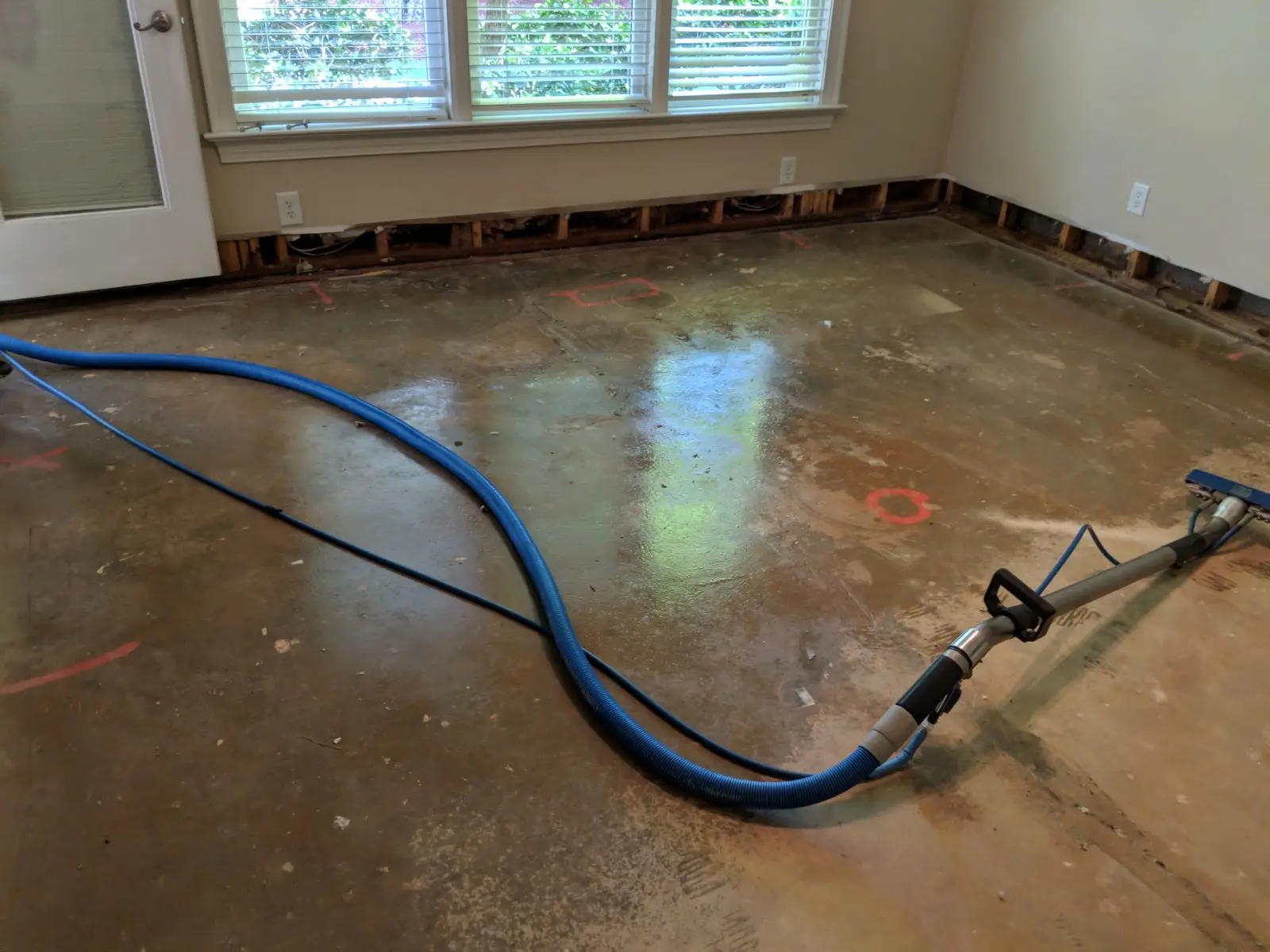
Discovering water damage in your home can be overwhelming, especially in a city where humidity and heavy rainfall are constant factors. Identifying the warning signs of a leak early can save you thousands of dollars in structural repairs and mold remediation costs. On average, if you notice peeling paint, musty odors, or discolored patches on your ceiling, you likely require professional water damage restoration houston to stabilize the environment and prevent long-term rot. Because Houston’s high ambient humidity accelerates fungal growth, waiting even 48 hours to address standing water can lead to a significant health hazard for your family.
When should you call for professional water damage restoration in Houston?
You should call for professional assistance the moment you identify moisture that cannot be dried with standard household tools or if you suspect water is trapped behind walls. While a small spill on a tile floor is manageable, water that has seeped into the subfloor, wicked up into drywall, or originated from a contaminated source like a sewage backup requires industrial-grade extraction and dehumidification. In historical areas like the Houston Heights or busy commercial zones near the Energy Corridor, older plumbing systems and complex structural designs often hide leaks until significant damage has already occurred.
Visible Discoloration and Water Stains
The most common sign of a hidden leak is the appearance of yellowish or brownish “rings” on your ceilings and walls. These stains indicate that water is actively saturating the material from the opposite side, often due to a roof leak or a pinhole pipe failure. If you live in high-rise condos near the Galleria or a traditional home in Sugar Land, these spots are a signal that the structural integrity of your drywall is being compromised.
Bubbling, Peeling, or Flaking Paint
When moisture becomes trapped between the wall surface and the paint layer, the adhesive bond breaks, causing the paint to stretch and bubble. This is a clear indicator of a moisture problem that requires water leak detection Houston services to locate the source. If the paint feels soft to the touch or flakes off easily, the drywall behind it is likely holding a significant amount of water that will not dry out on its own.
Distorted or Warped Flooring
Hardwood, laminate, and even certain tile floors will react visibly to excessive moisture. You may notice “cupping,” where the edges of the planks rise higher than the center, or “crowning,” where the center of the board bulges. In homes across West University or River Oaks, where premium wood flooring is common, catching these signs early is the only way to avoid a full floor replacement.
How does the Houston climate affect signs of water damage Houston homeowners see?
The unique environmental conditions in Southeast Texas mean that water damage does not behave the same way here as it does in drier climates. Our proximity to the Gulf of Mexico creates a high “drying floor,” meaning that porous materials like wood and drywall struggle to release moisture back into the air naturally. This leads to specific signs that are unique to the local area.
- Secondary Moisture Damage: High humidity can cause “sweating” on walls and windows, which often masks a more serious internal leak.
- Foundation Shifting: Houston’s expansive clay soil reacts violently to water. If you notice cracks in your brickwork or interior drywall after a heavy rain near the Buffalo Bayou, it may be a sign of water-related foundation movement.
- HVAC Condensation: Many homeowners near Memorial Park mistake AC plenum leaks for roof leaks. Professional technicians can distinguish between these common local issues.
The Role of Musty Odors and Air Quality
A damp, earthy smell that persists even after cleaning is a major red flag. This odor is caused by Microbial Volatile Organic Compounds (mVOCs) released by mold and bacteria. Because our city is naturally humid, many people ignore these smells, but in a healthy home, the air should be neutral. If the scent is strongest near your baseboards or under the kitchen sink, it is time to seek professional help.
Increased Utility Bills and Hidden Leaks
If your City of Houston water bill shows a sudden spike without a change in your household usage, you likely have a “silent” leak. This often occurs in the irrigation lines of properties in The Woodlands or in the slab-level plumbing of homes in Pearland. A professional team uses thermal imaging and acoustic sensors to find these leaks without tearing into your walls prematurely.
What are the most common mold after water damage Houston indicators?
In our local climate, mold is not just a possibility; it is an expectation if water is not extracted quickly. Mold spores are opportunistic and will begin to colonize organic materials like the paper backing on drywall or the wooden studs inside your walls within 24 to 48 hours. Identifying the early signs of mold growth is essential for maintaining a safe indoor environment.
- Visible Speckling: Black, green, or grey spots on baseboards or in the corners of closets are the most obvious signs.
- Allergic Reactions: If family members experience unexplained sneezing, coughing, or itchy eyes specifically when they are inside the home, it may be due to elevated spore counts.
- Slimy Textures: On non-porous surfaces like tile or metal, mold may appear as a slick, slimy film rather than a fuzzy growth.
If you are concerned about the health of your home, the most effective step is to contact us to schedule a professional moisture assessment and air quality check.
Signs of Water Damage Comparison Table
| Sign of Damage | Likely Cause | Urgency Level |
| Yellow Ceiling Stains | Roof leak or upstairs plumbing failure | High – Risk of ceiling collapse |
| Warped Floorboards | Slab leak or appliance overflow | Medium – Flooring may be salvageable |
| Musty Odors | Hidden mold or stagnant water | Critical – Health hazard |
| Peeling Paint | Internal wall moisture or high humidity | Medium – Requires leak detection |
| Hissing Noises | Active pipe burst behind drywall | Emergency – Immediate shut-off needed |
Why professional water damage restoration houston is necessary for structural safety
Attempting to dry out a home using only residential fans is a common mistake that leads to long-term structural failure. Professional restorers use LGR (Low Grain Refrigerant) dehumidifiers that can pull moisture out of the air even when temperatures are high, which is a necessity for the Texas Gulf Coast. Without this equipment, the “deep” moisture trapped in your wall studs and floor joists remains, leading to wood rot and the eventual weakening of the building’s frame.
Furthermore, professionals provide a “Dry Standard” report. This document proves to your insurance company that the home was returned to a safe state, which is vital for maintaining your property value if you ever decide to sell your home in the competitive Houston real estate market. When you need to document the loss for an insurance adjuster, having a clear path ensures you have the professional support needed to navigate the claims process effectively.
Frequently Asked Questions (FAQs)
How can I tell if a water stain is new or old?
A new water stain will usually feel damp to the touch and may have a darker, more vibrant color. Older stains are typically dry, brittle, and may have a faded yellowish tint with a defined “crusty” edge. Regardless of the age, a stain indicates a recurring problem that needs a professional inspection to ensure the leak has been properly stopped.
Is it safe to stay in my Houston home with visible mold?
It depends on the extent of the growth and the health of the occupants. For individuals with asthma, allergies, or weakened immune systems, even small amounts of mold can cause significant respiratory distress. Because Houston’s humidity can cause mold to spread through the HVAC system, it is often safer to have the area professionally contained while the restoration is performed.
What should I do if I hear water running behind my walls?
If you hear the sound of running or dripping water when no faucets are on, you should immediately turn off your main water shut-off valve. This is often located in the front yard near the street or in the garage. Once the water is off, you should contact us today to have a technician perform emergency extraction and prevent the water from spreading into other rooms.
Can high humidity alone cause water damage in Houston?
Yes, persistent high humidity (above 60%) can lead to “secondary water damage.” This happens when moisture in the air saturates porous materials, leading to peeling wallpaper, warped furniture, and mold growth on clothing in closets. Using a properly sized HVAC system or a whole-home dehumidifier is essential for preventing this in the Bayou City.
Will my insurance pay for water damage restoration?
Most homeowners insurance policies cover water damage that is “sudden and accidental,” such as a burst pipe or an appliance failure. However, damage caused by long-term neglect or lack of maintenance is often excluded. To ensure your claim is processed correctly, you should contact us as soon as you find damage so that a professional can document the cause and the required scope of work for your adjuster.
Conclusion
Understanding the signs of water damage is the first step in protecting your investment and your family’s health. Whether it is a subtle musty smell or a dramatic ceiling leak after a storm passes through the Houston Museum District, early intervention is the key to a successful recovery. By recognizing these indicators and responding with professional water damage restoration Houston services, you can mitigate the long-term effects of moisture and ensure your home remains a safe haven.
If you have discovered any of these warning signs in your property, Predator Restoration is here to help. As a trusted local service provider, we understand the specific challenges that Houston homeowners face, from our extreme humidity to our unique architectural styles. We offer comprehensive solutions to the problems discussed, from advanced leak detection to full structural drying, ensuring your property is restored to its pre-loss condition with the expertise and care you deserve.