
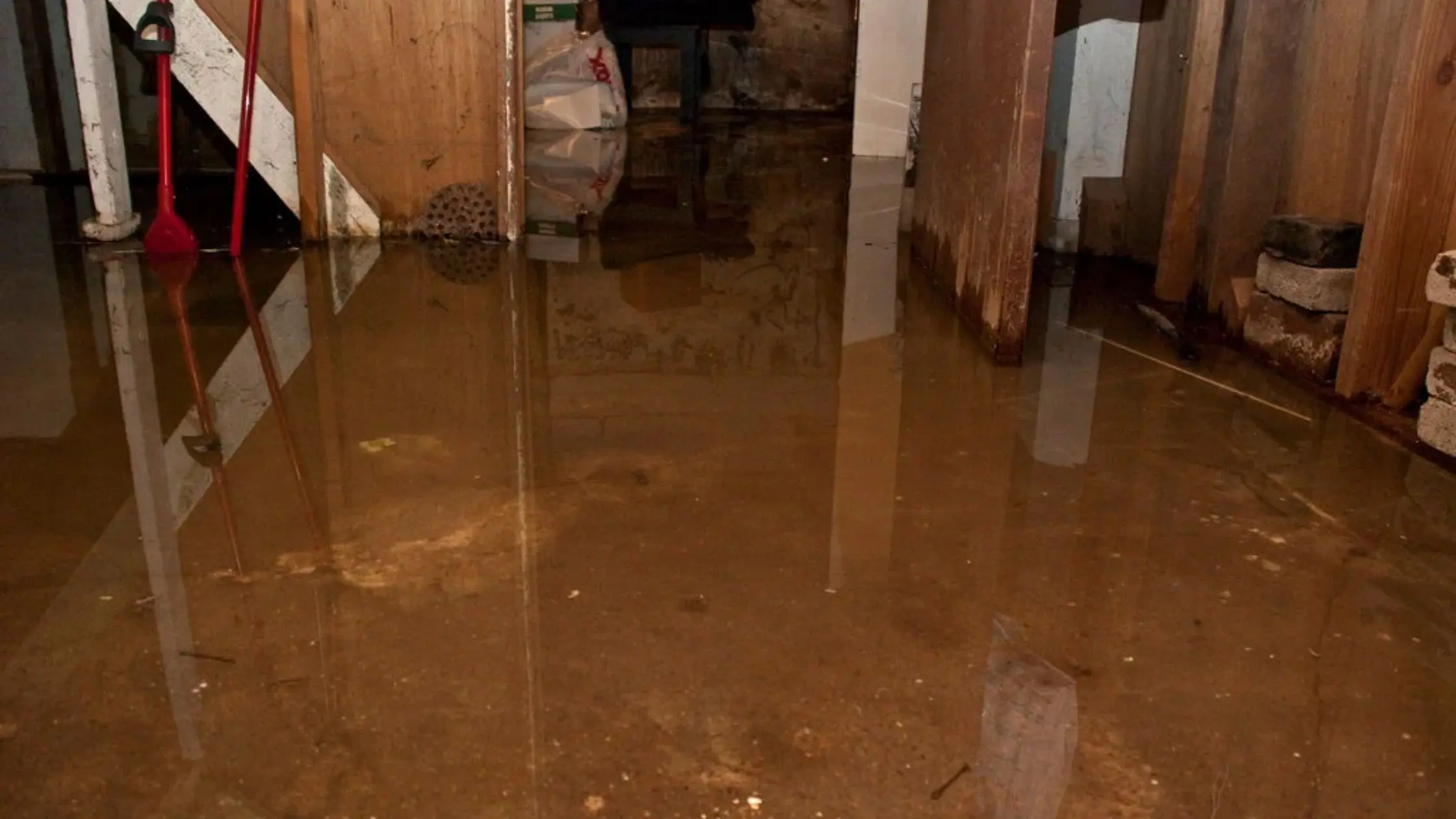
Knowing exactly when to call a water damage restoration company in Houston can save your property from catastrophic structural failure and toxic mold growth. In our humid Gulf Coast climate, water starts damaging drywall and subflooring within minutes, and mold spores begin to colonize in as little as 24 hours. Whether you are dealing with a localized kitchen leak in Meyerland or widespread flooding near the San Jacinto River, immediate professional intervention is the only way to ensure moisture is fully extracted and the air is properly dehumidified. Waiting even a few hours can turn a simple drying job into a massive reconstruction project, making rapid response the most critical factor in protecting your home or business.
When is water damage considered an emergency?
Water damage is considered an emergency the moment it saturates porous materials like drywall, insulation, or carpeting, as these cannot be dried effectively with household fans. If you encounter “black water” from a sewage backup or rising street floodwaters near Brays Bayou, you must call for emergency water damage restoration in Houston immediately due to the presence of harmful pathogens. Any leak that involves the electrical system, causes ceiling sagging, or impacts more than one room requires professional-grade extraction to prevent secondary damage.
In the Greater Houston area, the extreme humidity levels mean that even “clean” water from a burst pipe becomes a breeding ground for bacteria very quickly. If a pipe bursts in an upstairs bathroom while you are at work, the water can travel through the floorboards and damage the ceilings of the rooms below. Because water follows the path of least resistance, it often hides inside wall cavities where it remains trapped until professional thermal imaging equipment identifies the moisture pockets.
Does a water damage restoration company in Houston handle pipe bursts?
Yes, a professional water damage restoration company in Houston is specifically equipped to handle the high-volume water release that comes from a residential or commercial pipe burst.
Pipe bursts often occur during rare Houston freezes or due to the high mineral content in our local water supply causing pipe corrosion over time. When a main line fails, it can release hundreds of gallons of water in a matter of minutes, quickly flooding living areas and seeping under baseboards. Professional teams use truck-mounted extraction units to remove the bulk of the water and then deploy industrial dehumidifiers to pull deeply embedded moisture out of the structural studs.
How do I know if I have hidden water damage?
Hidden water damage often manifests as a persistent musty odor, unexplained stains on the ceiling, or a sudden increase in your monthly water bill from the City of Houston. If you notice your baseboards are beginning to pull away from the wall or the paint in your laundry room is bubbling, moisture is likely trapped behind the surface. Residents in older neighborhoods like Riverside Terrace should be especially vigilant, as aging plumbing is more prone to pinhole leaks that can go unnoticed for weeks.
Thermal imaging cameras are the most effective tool for finding these hidden issues without tearing a hole in your wall. By detecting temperature differences, restoration experts can “see” where water is traveling behind cabinets or under hardwood floors. Catching these slow leaks early is essential for avoiding the high costs associated with major structural rot and extensive mold remediation services.
Common Warning Signs in Houston Homes
- Warped Flooring: Hardwood or laminate floors that feel “spongy” or show cupping at the edges.
- Ceiling Spots: Discolored rings that expand over time, often found near AC vents or under bathrooms.
- Cracked Foundation: While often caused by our clay soil, sudden foundation shifts can also indicate a significant slab leak.
What are the categories of water damage?
Restoration professionals classify water into three categories based on the level of contamination, which dictates the safety protocols and cleaning methods used.
| Category | Description | Common Sources |
| Category 1 | “Clean Water” – Poseth no immediate threat to humans | Broken supply lines, tub overflows, melting ice |
| Category 2 | “Gray Water” – Contains significant contamination | Dishwasher or washing machine discharge, sump pump failure |
| Category 3 | “Black Water” – Highly unsanitary and dangerous | Sewage, rising floodwater from bayous, seawater |
If your property has been affected by any of these categories, it is vital to contact us today so that a certified technician can begin the sanitization process before the contamination spreads through your HVAC system. Understanding these categories helps you understand why some items can be cleaned while others, like saturated carpet pads in a Category 3 loss, must be removed and discarded for safety.
How long does the professional drying process take?
The professional drying process typically takes between three and five days, depending on the materials affected and the ambient humidity levels in the local area. While surface water can be removed quickly, “deep drying” involves moving moisture from the center of dense materials like 2×4 studs and subflooring into the air. If you are located in a high-humidity zone near Clear Lake or Galveston Bay, the drying time may lean toward the longer end of that spectrum.
Technicians use a scientific approach called “Applied Structural Drying” to monitor progress. They take daily moisture readings to ensure the “drying goal” is being met. This documentation is not just for the homeowner; it is a requirement for most insurance carriers to prove that the mitigation was performed according to industry standards. Stopping the drying process too early is the leading cause of recurring mold problems in Southeast Texas.
Why should I avoid 24 hour water cleanup services in Houston that don’t use LGR?
You should avoid any company that does not use LGR (Low Grain Refrigerant) dehumidifiers because standard residential dehumidifiers cannot handle the high moisture loads found in flooded buildings. LGR units are specifically designed to remove water vapor in environments with high temperatures and high humidity, which is the standard condition for a Houston summer.
Without this specialized equipment, the air inside your home will remain saturated. This leads to “secondary damage,” where moisture in the air begins to condense on cool surfaces in unaffected rooms, causing wallpaper to peel and electronics to fail. When looking for 24 hour water cleanup services in Houston, always ask about the specific make and model of the dehumidifiers they plan to stage in your property to ensure they are industrial-grade.
Will insurance pay for urgent water damage repair in Houston?
Most homeowners’ insurance policies cover urgent water damage repair in Houston as long as the source of the water was “sudden and accidental.” This includes things like a water heater failing in the attic or a dishwasher hose bursting. However, gradual damage caused by a leak you knew about but ignored is often excluded from coverage.
It is your responsibility as a policyholder to “mitigate the loss,” which means taking immediate steps to stop the water and start the cleanup. Insurance companies actually prefer that you call a restoration professional immediately, as it significantly reduces the total cost of the claim. A professional company will provide the “dry logs” and photo documentation your adjuster needs to process your claim quickly and fairly.
How to Prepare for an Insurance Adjuster
- Keep the Source: If a specific part failed, like a pipe or valve, do not throw it away until the adjuster sees it.
- Document Everything: Take videos and photos of the standing water before any extraction begins.
- List Damaged Items: Create a detailed inventory of personal belongings that were touched by water.
Can I stay in my house during the restoration?
Whether you can stay in your house depends on the extent of the damage and the category of the water. If the damage is localized to one room, such as a laundry room, you can usually remain in the home. However, if the water has affected the kitchen, bathrooms, or the majority of the flooring, the noise from industrial air movers and the lack of facilities may make the home uninhabitable.
For Category 3 (black water) losses, it is highly recommended that you vacate the premises until the area has been fully decontaminated. The air quality in a home under restoration can also be a concern for those with asthma or allergies, as the high-velocity fans can stir up dust and particulates. Most insurance policies include “Loss of Use” coverage, which pays for a hotel or rental home while your primary residence is being restored.
What is the difference between mitigation and restoration?
Mitigation is the immediate “emergency” phase where the goal is to stop the water and prevent further damage. This includes water extraction, removing wet carpet, and setting up drying equipment. Restoration is the “rebuild” phase that happens after the structure is completely dry. This includes hanging new drywall, painting, installing new flooring, and returning the home to its original state.
Hiring a full-service water damage restoration company in Houston is beneficial because they handle both phases. This prevents communication gaps between the drying crew and the repair crew. When one company manages the entire project from the first emergency call to the final coat of paint, the timeline is usually shorter and the quality of work is more consistent.
How does humidity affect water damage in Houston?
In Houston, humidity acts as a catalyst that accelerates the decay of building materials. When the outdoor humidity is consistently above 60%, the air can only hold a limited amount of evaporated moisture. Without industrial dehumidification, the water you are trying to dry out of your floors simply stays in the air and then settles back onto your walls.
This cycle creates a “greenhouse effect” inside the home, which is the perfect environment for mold to thrive. This is why professional restoration is non-negotiable in Southeast Texas. Specialized equipment is required to “force” the humidity levels down to 30% or lower inside the affected area, creating a “vapor pressure differential” that pulls moisture out of the wood and into the air for collection.
FAQs About Emergency Water Damage
Is a leaking AC unit considered an emergency?
In Houston, an AC leak in the attic is a major emergency because it can cause the ceiling to collapse. If you see water dripping from your ceiling or notice a “musty” smell coming from your vents, turn off the AC and call for help immediately.
Should I open the windows to help my house dry?
Never open the windows during a water damage event in Houston. The outdoor humidity is almost always higher than the target indoor humidity. Opening windows will actually introduce more moisture into the home and slow down the drying process.
Can mold grow under my tile floors?
Yes, water can easily seep through grout lines and become trapped between the tile and the concrete slab. If the moisture is not removed, it will cause the thinset to fail and mold to grow underneath, eventually leading to loose or “hollow” sounding tiles.
Does bleach kill mold on drywall?
No, bleach is not effective for killing mold on porous surfaces like drywall. Bleach is mostly water; while it may turn the surface white, the water in the bleach actually feeds the mold roots (hyphae) inside the wall, causing it to return even stronger.
How do professionals find water behind cabinets?
Restoration experts use non-invasive moisture meters and borescope cameras. By checking the moisture levels of the wall behind the cabinet or the floor underneath it, they can determine if the cabinets need to be removed or if they can be dried in place using specialized “injectidry” systems.
Conclusion
Determining when to call a water damage restoration company in Houston shouldn’t be a guessing game; any time water enters your structural materials, professional help is required. From the sprawling estates in River Oaks to the busy commercial centers near the Houston Ship Channel, the threat of moisture is constant and unforgiving. Taking swift action protects your property’s structural integrity and ensures the long-term health of everyone inside.
Predator Restoration stands as a trusted local service provider, offering the expertise and specialized equipment needed for a total recovery. We provide a reliable solution to the problems discussed, acting as your partner in navigating insurance claims and technical drying challenges. A professional water damage restoration company in Houston is your first line of defense against the unique environmental pressures of our city, providing the peace of mind that your home will be restored to a safe, dry, and healthy condition.