
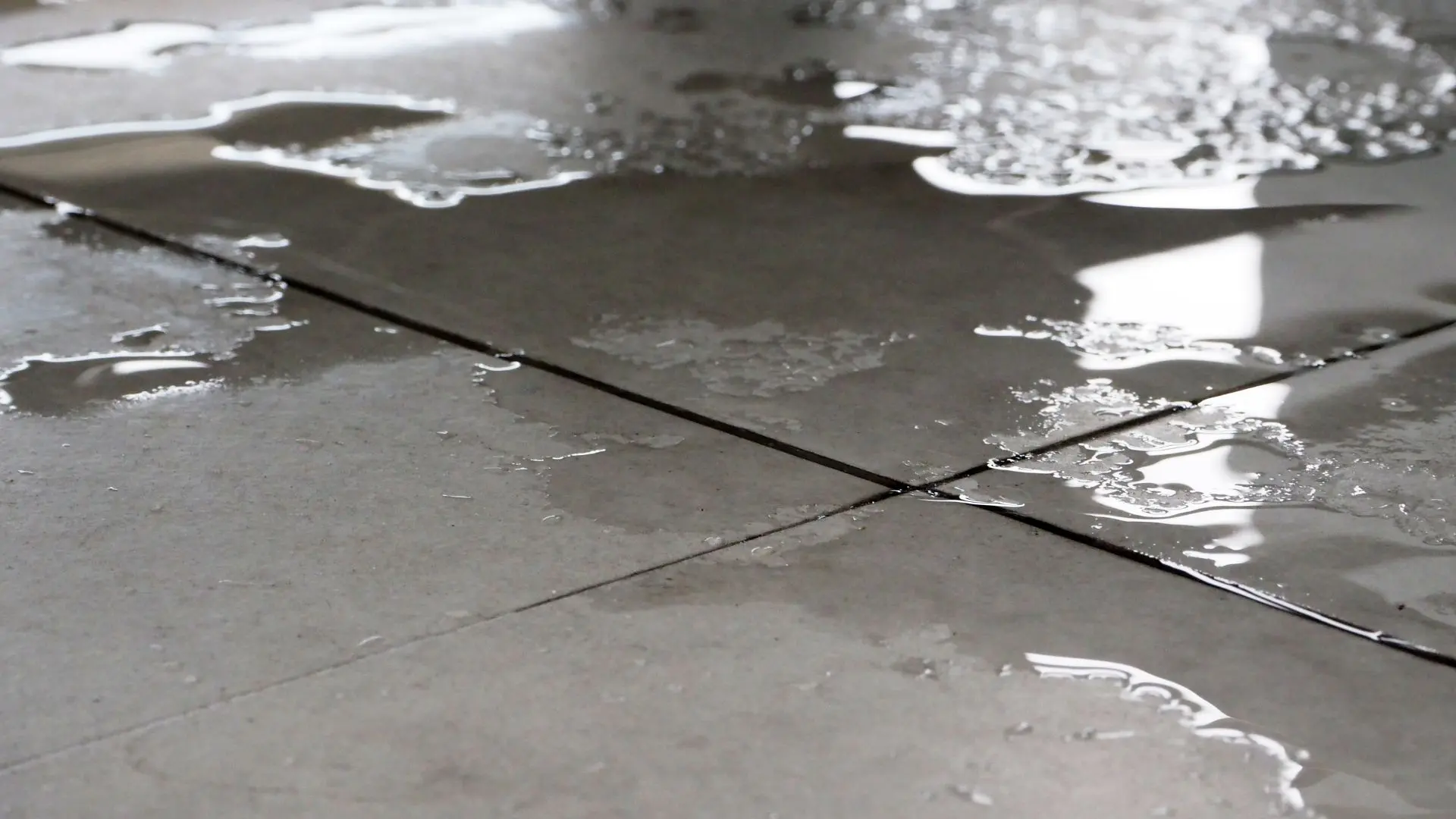
A pipe bursts at 2 a.m., a washing machine hose fails while you are at work, or a summer storm pushes water through a roof vulnerability overnight. Water damage does not wait for business hours, and neither should the response to it. For Houston homeowners, having access to emergency water removal at any hour can be the difference between a contained situation and a home full of soaked flooring, drywall, and belongings.
The speed of the response matters because water damages compounds quickly. What starts as a wet carpet can turn into warped subflooring, damaged drywall, and the beginning of mold growth within days, especially in Houston’s humid climate.
This guide explains what happens during an emergency water removal call, how extraction and drying work, what homeowners should do while waiting for help to arrive, and why timing matters so much in this part of Texas.
What Counts as an Emergency Water Situation
Not every water issue requires an immediate after-hours call, but several situations genuinely do. A burst or heavily leaking pipe, a failed water heater, an overflowing toilet or sewage backup, and water intrusion from a storm or roof failure all qualify as emergencies that benefit from a fast response rather than waiting until the next business day.
The common thread across these situations is active or recently active water that is still spreading or has not yet been addressed. The longer that water sits untouched, the more it saturates building materials and the more extensive the eventual restoration becomes.
What to Do While Waiting for Emergency Water Removal
A few immediate steps can limit damage in the time before help arrives. If it is safe to do so, shut off the water source, whether that means a supply valve under a sink, the main water shutoff, or the breaker for a failed appliance.
Move furniture, electronics, and valuable items away from standing water when it is safe to do so, and avoid walking through water near electrical outlets or panels. If you can safely take a few photos of the affected area before moving anything, that documentation will be useful later for your insurance claim.
Do not attempt to run a shop vac or space heaters on standing water involving electrical risk, and avoid turning on HVAC systems that may circulate moisture or contamination through the home.
How Emergency Water Removal Works
We start every emergency call with a fast assessment of where the water came from and how far it has traveled, since water often spreads farther than it appears at first glance, moving along subflooring, inside wall cavities, and under baseboards.
Standing water is removed using pumps and specialized extraction equipment, prioritizing the areas with the deepest water and the materials most vulnerable to damage, like carpet, padding, and hardwood flooring. Extraction moves as quickly as possible because every additional hour water sits allows more of it to soak into building materials.
Structural Drying After Water Extraction
Once standing water is removed, structural drying begins using air movers and dehumidifiers positioned to target the affected materials and pull moisture from the surrounding air. Moisture meters are used throughout this stage to check drywall, flooring, and framing, since materials can hold water well below the surface even after they look dry.
Drying times vary depending on how much water intruded, what materials were affected, and how long the water sat before extraction started. That is one more reason a fast emergency response matters. Water extracted within the first few hours generally requires less extensive drying than water that has been sitting overnight or longer.
Why Houston’s Climate Raises the Stakes
Houston’s combination of heat and humidity accelerates the timeline for secondary damage after any water event. Warm, humid conditions provide close to ideal conditions for mold spores, which are present in nearly every environment, to begin developing on wet materials within a couple of days rather than a week or more.
That shortened timeline is a major reason emergency water removal exists as a service in the first place. A response that happens overnight or on a weekend, rather than waiting until Monday morning, keeps materials from sitting wet long enough for mold to become a second problem layered on top of the original water damage.
Preventing the Next Emergency
While not every water emergency can be predicted, a few habits reduce the odds. Replacing washing machine hoses every few years, knowing the location of your main water shutoff valve, and having your water heater inspected periodically all reduce the chance of a sudden failure. Keeping gutters clear and checking roof flashing before hurricane season also reduces the risk of storm-related water intrusion.
What to Expect After the Water Is Removed
Structural drying does not end the moment water is out of sight. Materials that look dry on the surface can still hold moisture underneath, which is why moisture readings continue for several days until every affected area reaches a confirmed dry standard. Homeowners can expect follow-up visits during this stretch, along with documentation of each reading that can also support an insurance claim if one is being filed.
Once drying is confirmed complete, any materials that could not be salvaged, such as saturated insulation or sections of drywall, are addressed before repairs begin. Staying in touch during this stage helps homeowners understand the timeline and know what to expect before their home is fully back to normal.
Getting Emergency Water Removal in Houston
If your Houston home is dealing with active water intrusion right now, we provide 24/7 emergency water removal, starting with extraction and moving through structural drying until your home reaches a confirmed dry standard. Calling as soon as you discover the problem, rather than waiting to see how bad it gets, gives you the best chance at limiting both the damage and the cost of repairing it.
Frequently Asked Questions
How fast should I call for emergency water removal in Houston?
As soon as you discover active water damage. Water that sits for even a few hours can soak deeper into flooring and drywall, so calling immediately rather than waiting until morning limits how far the damage spreads.
Is emergency water removal available overnight and on weekends?
Yes, water emergencies do not follow business hours, which is why 24/7 availability matters. A pipe burst at night or a storm-related leak on a weekend still benefits from immediate extraction rather than waiting until Monday.
What should I do before emergency water removal arrives?
Shut off the water source if it is safe, move valuables away from standing water, and take photos for your insurance records. Avoid walking through water near electrical outlets or attempting repairs that could obscure the damage.
How long does emergency water extraction take?
Extraction itself is usually completed within a few hours, though the full drying process afterward can take several days depending on how much water intruded and which materials were affected.
Can emergency water removal prevent mold?
Fast extraction and thorough structural drying significantly reduce the risk of mold, especially in Houston’s humid climate. Addressing water quickly, before it has time to soak deeply into materials, is one of the most effective ways to prevent mold from developing.
Final Thoughts on Emergency Water Removal in Houston
Water damage does not pause until business hours resume, and the longer it sits, the more it costs to repair. Fast extraction and proper structural drying make the difference between a contained incident and a much larger restoration project, especially given how quickly Houston’s heat and humidity can turn wet materials into a mold problem.
If you are dealing with water intrusion right now, do not wait to see if it dries on its own. Call us for emergency water removal, and we will get extraction started and begin the drying process before the damage has a chance to spread further into your home.