
Introduction
This article is designed for Houston property owners who are facing the challenge of water-damaged drywall in their homes or businesses. It explores when and how water-damaged drywall can be saved, the risks of mold growth, and the cost-saving benefits of timely intervention. Houston’s unique subtropical climate—with high humidity and frequent water events—makes water damage a particularly urgent issue. Understanding the right steps to take can help prevent costly repairs, protect your property’s structural integrity, and avoid health hazards associated with mold.
Key Takeaways
- Water damaged drywall can often be saved in Houston if it was exposed to clean water, discovered within 24-48 hours, shows no sagging or mold growth, and receives professional drying immediately
- Drywall soaked by contaminated water (sewage, floodwater, bayou overflow) must always be removed regardless of appearance
- Houston’s 70-90% average humidity makes air-drying ineffective—professional equipment is essential to achieve complete drying and prevent hidden moisture in wall cavities
- Predator Restoration provides 24/7 emergency response across greater Houston with on-site moisture inspections to determine what can truly be saved versus what requires drywall removal
- If you’ve discovered wet drywall, call (832) 937-4620 or message us online immediately for a professional assessment
Can Water Damaged Drywall Be Saved in Houston – The Fast Answer
The short answer: yes, water damaged drywall can sometimes be saved in Houston—but only under specific conditions and with rapid professional intervention.
Common causes of drywall damage in Houston include AC drain pan overflows during our long hot summers, roof leaks from Gulf storm wind-driven rain, burst pipes during freeze events like February 2021, and water heater or appliance failures.
Drywall can typically be saved when:
- The water source is clean (supply lines, AC condensate, sprinkler discharge)
- Wet surfaces have been exposed less than 24-48 hours
- There is no swelling, sagging, crumbling, or visible mold
- Moisture readings respond quickly to professional drying equipment
Drywall usually must be replaced when:
- Contaminated water caused the damage (sewage backup, street flooding, rising bayou water)
- It has been wet for days in Houston’s high humidity
- The surface is bulging, soft to touch, or smells musty
- Mold growth is visible on surfaces or detected behind walls and ceilings
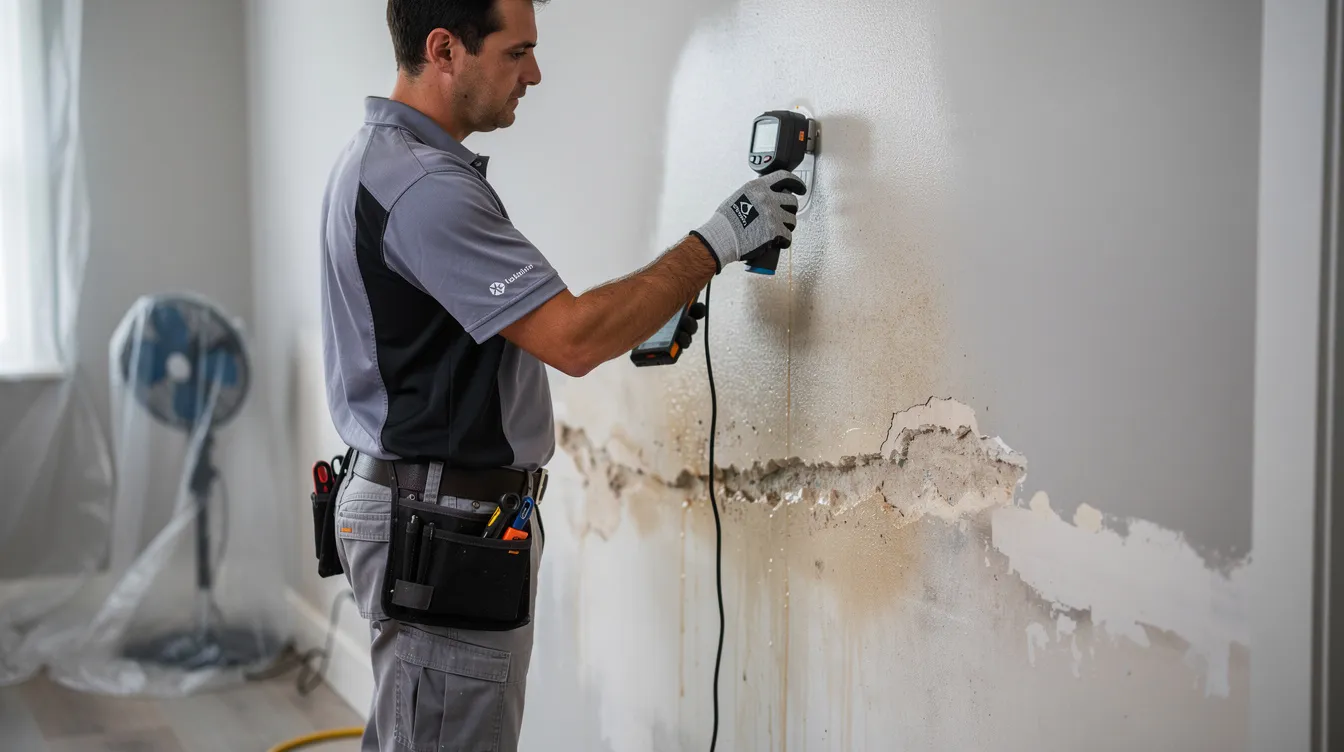
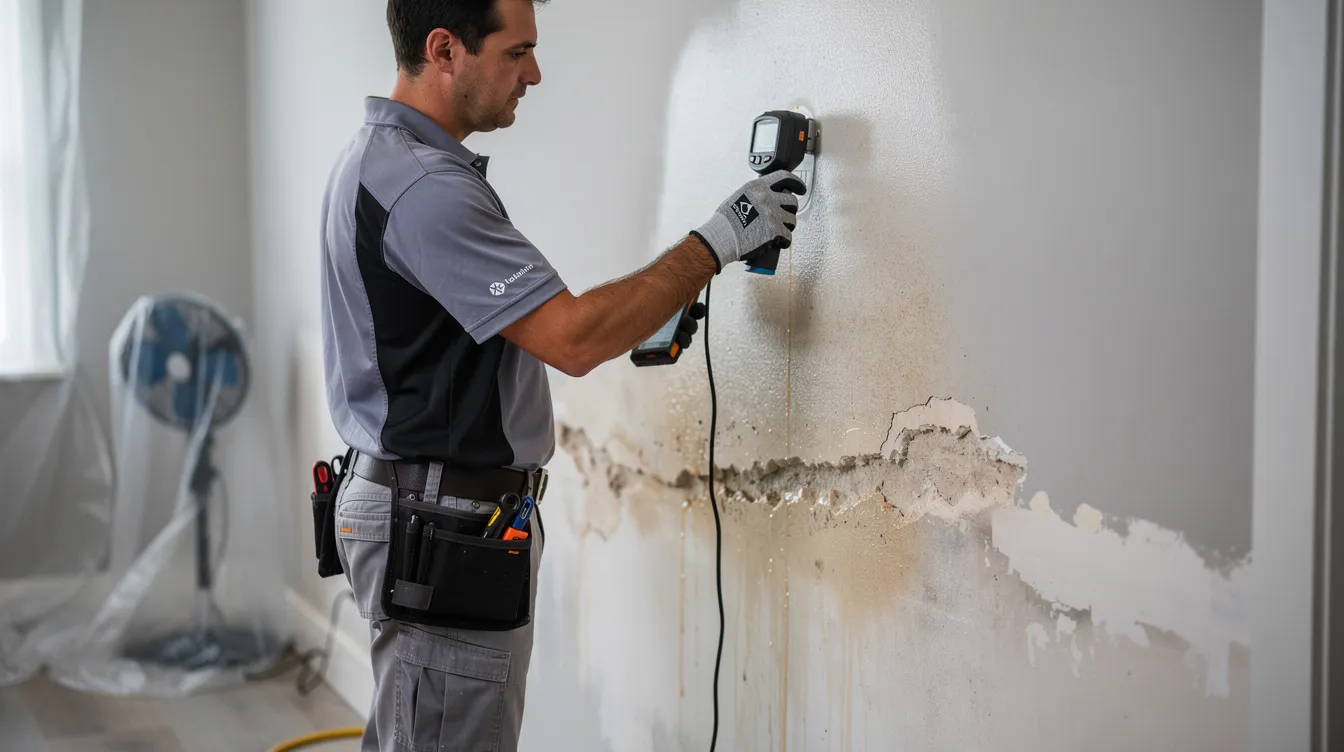
Predator Restoration technicians use professional moisture meters and infrared cameras on-site to determine what can truly be salvaged versus what should be cut out. We don’t guess—we measure. Drywall should also be inspected for soft spots, discoloration, or peeling paint to assess the extent of water damage. A pin-type moisture meter should read below 1% for gypsum before any repairs are made, and a moisture meter can also be used to confirm water infiltration and check for hidden dampness. Wet insulation behind drywall must be removed to prevent mold growth. Baseboards should be removed to allow air circulation and to check for moisture at the floor interface. Before any repair or painting, the area must be completely dry to avoid future issues like mold growth or poor adhesion.
Don’t wait to find out. Call Predator Restoration at (832) 937-4620 for a 24/7 emergency inspection anywhere in Houston, Cypress, Willowbrook, Kingwood, Jersey Village, Klein, North Houston, and surrounding areas.
How Water Damages Drywall in Houston Homes and Businesses
Houston’s climate accelerates drywall damage faster than almost anywhere else in the country. Our high humidity, heavy rains, and tropical systems like Hurricane Harvey (2017) and Tropical Storm Imelda (2019) create perfect conditions for rapid moisture penetration and mold risks.
Common local water sources:
- Roof leaks from wind-driven rain during Gulf storms
- Overflowing AC drain pans during extended hot seasons
- Burst pipes during winter freezes (the February 2021 storm burst 20,000+ pipes citywide)
- Appliance failures from water heaters, washing machines, and dishwashers
- Floodwater and sewer backups in low-lying neighborhoods
How drywall fails:
Drywall consists of a gypsum core between paper facings. When water exposure occurs, the paper facing absorbs moisture instantly. Water then wicks upward 12-24 inches above the visible water line through capillary action. The gypsum core softens, losing up to 75% of its structural integrity when saturated. Ceilings fail fastest because water pools against gravity.
Because Houston’s air retains moisture at 70-90% relative humidity, surface drying without professional equipment typically fails. Moisture hides in wall cavities, insulation, and behind existing walls—creating ideal conditions to grow mold within 24-48 hours.
Whether damaged drywall can be saved depends entirely on water category, exposure time, structural issues, and mold risk.
When Can Water Damaged Drywall Be Saved?
Predator Restoration always tries to save materials safely when possible—but never at the expense of health or long-term structural integrity.
Salvageable conditions include:
- Clean water (Category 1) from supply lines, AC condensate, or appliance leaks discovered quickly
- Wet areas limited to lower wall portions with no visible mold or spreading discoloration
- Drywall that remains firm, flat, and securely attached to studs when pressed gently
- Moisture levels responding quickly to professional drying equipment
Professional drying techniques can restore drywall to safe moisture levels, typically under 1% for gypsum.
Example scenario: A Klein homeowner discovers a small supply-line leak in a closet within a few hours of it starting. The lower 12 inches of wall show water stains but the drywall feels firm. Predator Restoration deploys air movers and dehumidifiers, monitors moisture daily, and saves the drywall with no demolition required—saving the homeowner significant repair area costs.
How professional drying saves drywall:
| Equipment | Function |
|---|---|
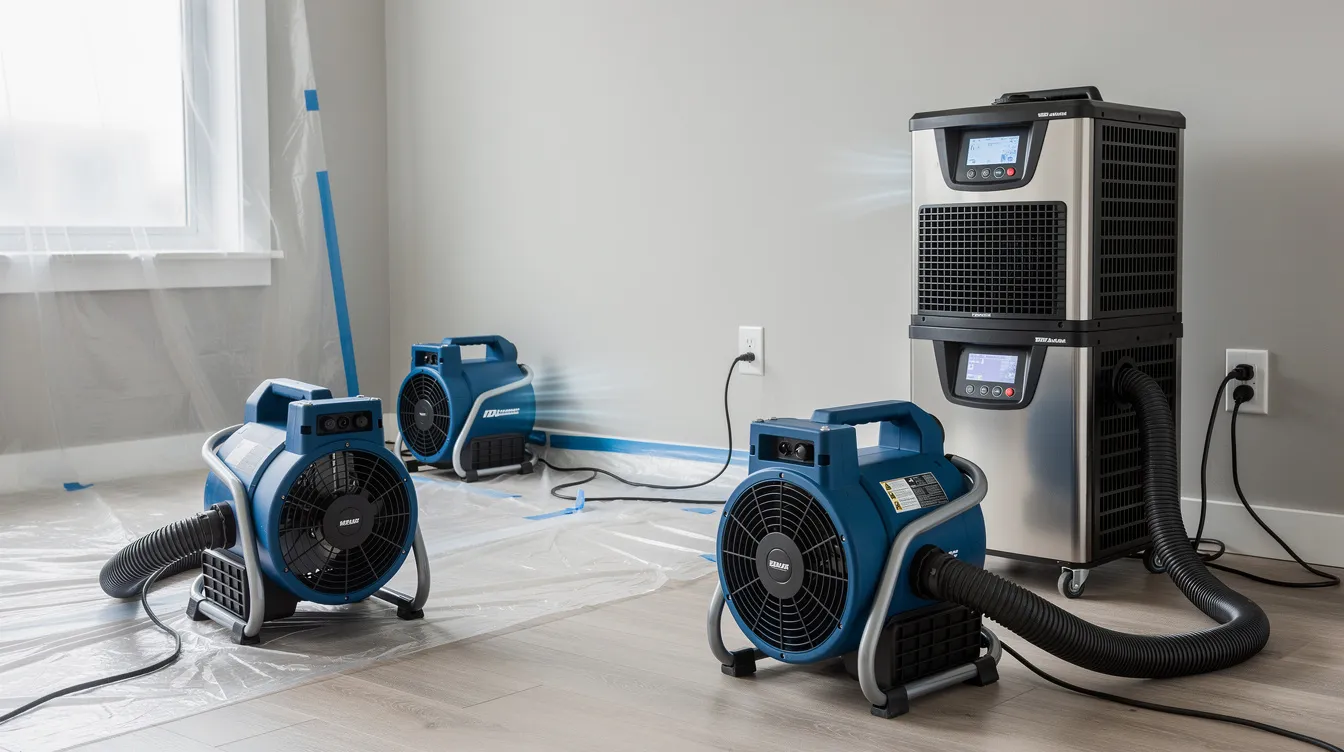
| High-velocity air movers | Remove surface moisture through evaporation (500-1000 CFM airflow) |
| Low-grain refrigerant dehumidifiers | Pull moisture from air and materials (70-120 pints/day) |
| Wall cavity drying systems | Inject air through small holes at baseboards to dry behind walls |
| Moisture meters | Continuous monitoring until readings reach safe moisture levels |
| This drying process typically takes 3-5 days for mildly affected drywall, achieving complete drying without demolition. It is critical that drywall and joint compound are completely dry before any repairs, painting, or texturing are performed to prevent mold growth, texture issues, or poor adhesion. |
Just had a small leak or AC overflow? Call (832) 937-4620 immediately so Predator Restoration can attempt to salvage your drywall before drywall replacement becomes necessary.
When Water Damaged Drywall Must Be Removed
Drywall removal can feel drastic, but in Houston’s environment it is often the safest path to prevent mold and hidden damage that costs far more if left untreated.
Clear signs drywall cannot be saved:
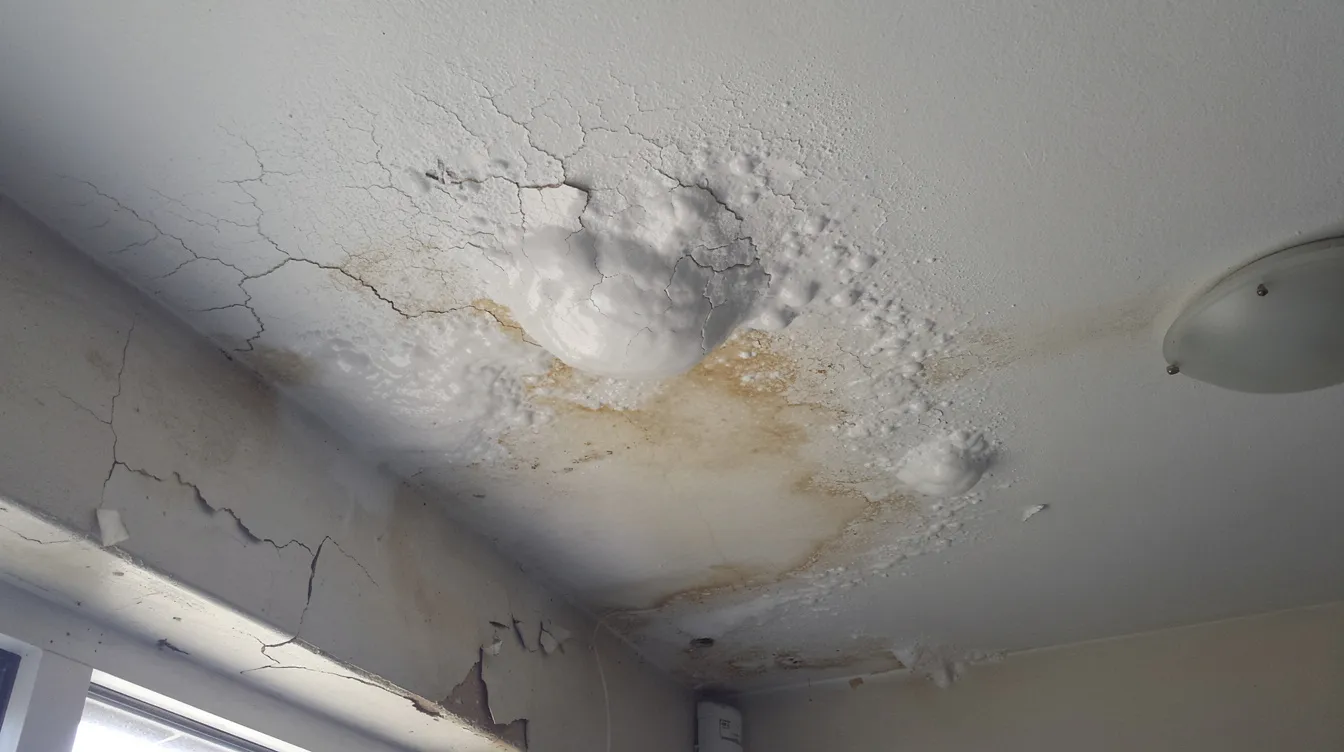
- Sagging, bowing, or bulging surfaces (especially ceiling repairs situations)
- Soft, spongy texture that crumbles when touched
- Blistering, bubbling, or separating paint across wide areas
- Visible mold—black or green spots, fuzzy patches
- Strong musty odors even after initial drying time efforts
Situations requiring removal regardless of appearance:
- Category 2 or 3 water exposure (gray or black water from sewage backups, dishwasher overflows, or street/creek flooding)—contaminants penetrate the gypsum core and cannot be cleaned
- Long-duration leaks where moisture readings show deep penetration
- Repeated wetting events where framing and insulation are compromised
The flood cut approach:
The flood cut technique involves removing drywall from floor level to approximately 12-24 inches above the visible waterline to expose the wall cavity for drying and inspection.
Predator Restoration performs controlled flood cuts—cutting drywall 12-24 inches above the highest moisture reading, not just the visible water stains. This process includes:
- Removing insulation (which retains moisture at 90%)
- Inspecting studs for mold and structural damage
- Treating framing with EPA-registered antimicrobials
- Leaving clean, straight edges ready for new drywall installation
Cutting out unsalvageable wet drywall now prevents replacing entire sections later and avoids health problems from hidden mold. DIY drywall repair without proper moisture mapping fails 80% of the time, often requiring callbacks that cost 2-5x more.
Potential Consequences of Delayed Repair
Delaying drywall repair after water damage in Houston can quickly turn a manageable situation into a major headache. When water damaged drywall is left untreated, moisture doesn’t just stay put—it spreads, seeping into wall cavities and affecting surrounding walls and ceilings. This ongoing moisture penetration can compromise the structural integrity of your home, leading to more extensive drywall damage and, in many cases, the need for complete drywall replacement rather than a simple repair.
One of the most serious risks of postponing repairs is mold growth. Houston’s humid climate creates the perfect environment for mold to thrive, especially in wet drywall and hidden wall cavities. Mold not only damages your property but can also cause significant health problems for you and your family. Even small holes or minor water stains can be a sign of deeper issues lurking behind existing walls, and if left untreated, these can escalate into costly structural issues and persistent mold risks.
While some property owners may consider DIY drywall repair to save money, this approach often falls short. Without professional equipment and expertise, it’s easy to miss hidden moisture or fail to achieve complete drying, especially in high-risk areas like ceilings or behind walls. Incomplete surface drying can leave behind damp spots that retain moisture, leading to recurring water stains, nail pops, and even more severe drywall damage down the line. Professional drywall repair services use advanced drying processes and moisture detection tools to ensure every affected area is thoroughly dried before any drywall installation or texture matching begins.
Prompt action is essential when dealing with water damage. Standing water should be extracted immediately, and the drying process must start as soon as possible to prevent mold growth and further damage. Professional drying ensures that both surface and wall cavities reach safe moisture levels, protecting your home’s structural integrity and reducing the risk of future repairs.
For homeowners in Houston and surrounding areas like League City, acting quickly on water damage repairs is a smart move. Not only does it help save money by preventing the need for replacing entire sections of drywall, but it also supports insurance claims by providing clear documentation of the damage and repair process. Most importantly, timely drywall repair helps restore your property to its pre loss condition, ensuring a safe and healthy environment for everyone.
If you notice water stains, small holes, or any signs of water exposure in your walls or ceilings, don’t wait. Reach out to a professional for a free estimate and expert assessment. Investing in professional drywall repair services now can prevent much larger problems—and expenses—later on, giving you peace of mind and protecting your home for years to come.
Our Houston Water-Damaged Drywall Process (On-Site and Hands-On)
Predator Restoration’s technician-led approach focuses on complete mitigation—not surface-level wall repairs that hide problems.
Step-by-step drywall repair process:
1. Emergency Response
- 24/7 dispatch anywhere in greater Houston, typical arrival within a few hours
- Shut off active water sources, assess safety risks (sagging ceilings, electrical hazards)
2. Detailed Inspection
- Use moisture meters and thermal imaging to map moisture behind walls, under baseboards, and in ceilings
- Classify water category to determine salvage vs. removal requirements
3. Containment and Protection
- Set up plastic containment where needed to prevent spreading dust and spores
- Protect unaffected areas and contents
4. Water Removal and Drying
- Water extraction of standing water from floors and materials
- Deploy professional equipment (air movers, dehumidifiers) tailored to Houston’s humidity
- Wall cavity drying when drywall can be saved in place
5. Demolition Where Required
- Careful flood cuts, ceiling tear-outs, drywall removal, and insulation removal only where necessary
- Proper disposal of contaminated materials per IICRC standards
6. Mold Remediation (If Present)
- Isolate affected zones, run HEPA air scrubbers
- Apply antimicrobials and treat studs, subfloors, and framing
7. Rebuild and Finishing
- Install new drywall, tape, float, and sand joints
- Texture matching for orange peel, knockdown, or smooth finishes common in Houston homes
- Prime and paint for uniform appearance to pre loss condition
Unlike simple drywall repair services, Predator Restoration handles water damage restoration, mold removal, odor removal, and reconstruction under one roof.
Ready to schedule service? Send us a message online for an on-site quote.
Costs, Timelines, and Insurance for Water-Damaged Drywall in Houston
Exact costs depend on square footage, ceiling height (high ceilings add complexity), water category, and whether mold or structural repairs are needed.
Timeline guidance:
| Scope | Typical Duration |
|---|---|
| Small, clean-water wall repairs | 1-3 days including drying and cosmetic repairs |
| Medium losses (several rooms, supply-line break) | 3-5 days drying plus rebuild time |
| Large events (whole floor flooded, commercial building) | 1-2+ weeks for full mitigation and reconstruction |
| Cost factors: |
- Size and location (walls vs. ceilings, stairwells, small holes vs. large areas)
- Water category and contamination level
- Mold remediation, insulation replacement, or structural drying needs
- Complexity of finishes—texture matching, custom paint colors, trim work
Insurance guidance:
Most homeowners’ policies cover sudden accidental discharges (burst pipe, failed water heater) including affected drywall, but typically exclude groundwater flooding without separate flood insurance. Predator Restoration documents moisture readings, photos, and scope of work to support insurance claims and communicates directly with adjusters when requested.
We also offer financing options where applicable and provide transparent written estimates before reconstruction begins—helping property owners save money while getting complete restoration services.
For a free estimate based on your situation, call (832) 937-4620 or send us a message online.
Why Houston Property Owners Trust Predator Restoration for Water-Damaged Drywall
Predator Restoration is a Houston-based restoration company focused on fast response and complete mitigation—not just cosmetic fixes that hide drywall damage.
What sets us apart:
- 24/7 emergency water damage response throughout greater Houston, including Willowbrook, Kingwood, Cypress, Jersey Village, Klein, North Houston, and surrounding communities
- IICRC-standard mitigation and mold remediation combined with hands-on inspections by experienced technicians
- Focus on identifying hidden moisture behind drywall and inside ceilings to prevent future mold and odor problems
- Full-service capabilities: water removal, structural drying, professional drywall repair, mold remediation, odor removal, fire and smoke damage restoration, storm damage restoration, sewage cleanup, and rebuild/reconstruction
Properties we serve:
- Single-family homes across Houston’s suburbs (1980s–2020s construction)
- Townhomes and condos with shared walls and complex plumbing
- Commercial spaces where downtime is critical—offices, medical suites, retail, industrial
Our technicians show up on-site (not subcontractors) to inspect, measure, explain damage clearly, and answer questions about whether your drywall can realistically be saved. We provide drywall repair services with a step-by-step plan and timeline so you know exactly what to expect.
Have wet or stained drywall? Call Predator Restoration at (832) 937-4620 right now or reach out through our online contact form for immediate help. Don’t let water stains become cracks in your wall—or worse, hidden mold throughout your fix that requires replacing materials you could have saved today for a free consultation.
FAQ: Water-Damaged Drywall in Houston
How fast should I act if my drywall gets wet?
In Houston’s climate, act within a few hours. Shut off the water source if possible, avoid walking under sagging ceilings, and call a professional the same day damage is discovered. Mold can begin developing on wet drywall in as little as 24-48 hours, making delays a smart move to avoid. Predator Restoration offers 24/7 availability—call (832) 937-4620 immediately.
Does all floodwater-damaged drywall in Houston have to be replaced?
Yes, drywall impacted by outside floodwater from bayous, streets, or storm surges (Category 3 water) almost always requires removal for health and safety. This includes common Houston flooding scenarios where water enters through doors, garages, or ground-level walls. Predator Restoration performs flood cuts, removes contaminated insulation, and treats framing before installing new drywall—addressing common drywall problems from flooding events, whether in League City or North Houston.
Can I just cut out the wet bottom of my drywall and dry the rest myself?
DIY cuts without proper moisture mapping often miss hidden moisture that has wicked higher in walls or into adjacent rooms. Improper drying leaves pockets of moisture that lead to mold behind remaining drywall. Professional drying with professional equipment ensures no wet areas remain—repair drywall the right way by having Predator Restoration perform a moisture assessment first.
How do I know if there is mold behind my drywall?
Mold often starts on the backside of drywall or on studs and insulation where it isn’t visible. Early signs include persistent musty odor (especially after rain or running AC), worsening allergies or respiratory irritation indoors, and slight discoloration or peeling tape on wall surfaces. Nail pops can sometimes indicate moisture movement. Predator Restoration uses moisture meters, infrared imaging, and controlled exploratory cuts to locate hidden mold.
Will Predator Restoration also rebuild and paint after cutting out damaged drywall?
Absolutely. Predator Restoration provides complete rebuild and reconstruction services—installing new drywall, taping, floating, sanding joints, texture matching Houston finishes, and priming/painting for uniform appearance. Work with one company from mitigation through final repairs instead of coordinating multiple contractors. Request a complete mitigation-and-rebuild plan online.