
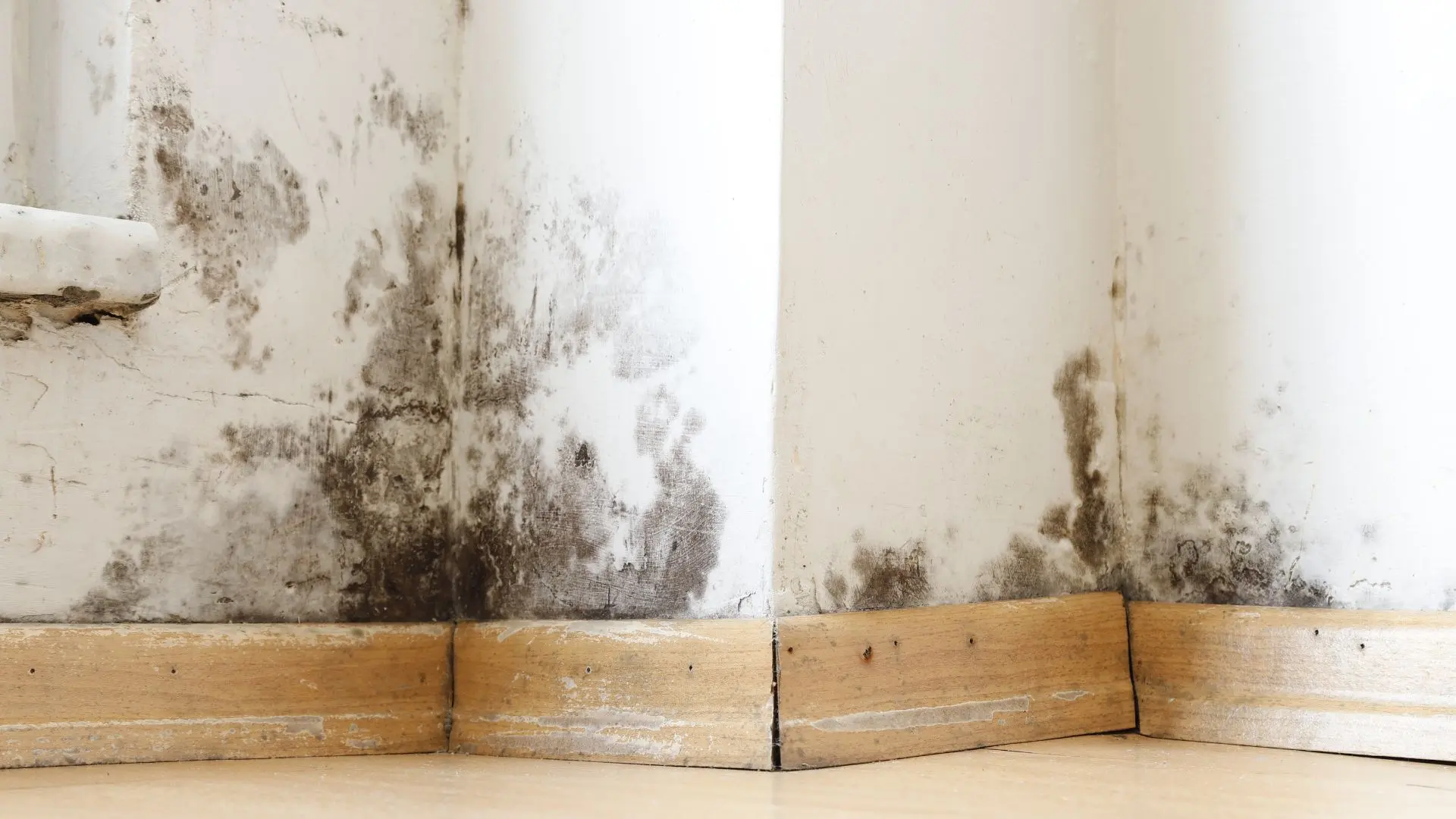
Mold doesn’t wait. Once moisture gets into drywall, insulation, or wood framing, spores can start colonizing within 24 to 48 hours. In Houston, where humidity sits high for most of the year and heavy rain events are routine, that window shrinks even further. A single roof leak, burst pipe, or flooded slab can turn into a full mold outbreak before most homeowners even notice a problem.
This is why emergency mold removal Houston services exist as a distinct category from routine mold remediation. Speed determines whether a homeowner deals with a contained, fixable issue or a widespread infestation that eats into subfloors, wall cavities, and HVAC systems. Below is a breakdown of how mold spreads, the warning signs that call for immediate action, and what a professional emergency response actually involves.
Why Mold Is More Than Just a Surface Problem
Hidden Mold Behind Walls and Ceilings
Visible mold on a bathroom ceiling or under a sink is often just the tip of the problem. Mold spreads through wall cavities, behind baseboards, under flooring, and inside HVAC ductwork — areas that stay dark, moist, and undisturbed for weeks. By the time a homeowner spots a stain or smells something off, colonies have frequently already established themselves in spaces that aren’t visible during a casual walkthrough.
How Mold Affects Indoor Air Quality
Mold releases microscopic spores and mycotoxins into the air continuously, not just when it’s disturbed. These particles circulate through HVAC systems and settle into carpets, furniture, and bedding. Prolonged exposure is linked to respiratory irritation, worsened asthma, and allergy-like symptoms — even in rooms where no mold is visibly growing, because the contaminated air moves freely throughout the house.
Why Houston Homes Are More Vulnerable
Houston’s Gulf Coast climate creates near-constant conditions for mold growth: high humidity, frequent heavy rainfall, and a hurricane season that regularly brings flooding and wind-driven water intrusion. Many homes also sit on slab foundations with limited crawl space ventilation, and older housing stock in neighborhoods across the city often has outdated vapor barriers or aging plumbing — all factors that make moisture problems harder to catch early.
Common Areas Where Mold Grows
| Area | Why It’s High-Risk |
| Bathroom ceilings and walls | Constant humidity from showers, poor ventilation |
| Attic spaces | Roof leaks, inadequate insulation, trapped heat and moisture |
| Behind drywall near plumbing | Slow leaks go undetected for weeks |
| HVAC ducts and vents | Condensation buildup, spreads spores house-wide |
| Basements and crawl spaces | Ground moisture, limited airflow |
| Under carpets and flooring | Water intrusion soaks into padding and subfloor |
Warning Signs You Need Emergency Mold Removal
Mold often develops in hidden areas before it becomes visible, making early detection essential. Recognizing the warning signs can help you address the problem quickly, minimize property damage, and protect your indoor air quality before the mold spreads further.
1. Musty Odors
A persistent, earthy, damp smell is often the first sign of mold growth happening somewhere out of sight. If the odor lingers even after cleaning, it usually means mold is active behind a wall, under flooring, or inside ductwork.
2.Visible Mold Growth
Black, green, or white spotting on walls, ceilings, grout lines, or window sills is a clear signal. Visible mold almost always means a larger colony is growing in the surrounding material, not just on the surface.
3. Allergy Symptoms Indoors
Sneezing, coughing, itchy eyes, or headaches that improve when someone leaves the house — and return once they’re back — point to airborne mold exposure rather than seasonal allergies.
4. Recent Water Damage or Flooding
Any home that has experienced a burst pipe, roof leak, appliance overflow, or flooding is at immediate risk. Mold can begin developing within 24 to 48 hours of water exposure, which is why emergency mold removal Houston teams treat recent water events as time-sensitive, even before mold is visible.
How Professional Emergency Mold Removal Works
Effective mold remediation involves much more than removing visible mold from surfaces. Professional emergency mold removal follows a systematic process that identifies the source of the problem, contains the contamination, and restores affected areas to help prevent future mold growth.
- Inspection: Technicians assess the full extent of contamination, including areas hidden behind walls and under flooring.
- Moisture detection: Moisture meters and thermal imaging locate the water source and any secondary damp areas.
- Containment: Affected areas are sealed off with physical barriers and negative air pressure to stop spores from spreading to unaffected rooms.
- Mold removal: Contaminated materials are removed and treated using antimicrobial solutions.
- HEPA air filtration: Air scrubbers capture airborne spores throughout the remediation process.
- Structural drying: Industrial dehumidifiers and air movers eliminate residual moisture from framing, subfloors, and insulation.
- Restoration: Removed drywall, flooring, or insulation is rebuilt to restore the space.
How Emergency Mold Removal Protects Your Home
Professional mold remediation does more than remove visible mold. It addresses the underlying moisture problem, improves indoor air quality, and helps protect your home from long-term damage.
A prompt, professional response can save both time and costly repairs while creating a healthier living environment.
Prevents Structural Damage
Left untreated, mold breaks down organic building materials like wood framing, drywall, and subflooring. Over time, this weakens structural integrity and can lead to costly repairs far beyond what remediation alone would have cost.
Improves Indoor Air Quality
Removing active mold sources and running HEPA filtration during the process clears airborne spores and mycotoxins, reducing respiratory irritation and allergy symptoms for everyone in the home.
Stops Mold From Returning
Addressing the moisture source not just the visible mold is what prevents regrowth. Professional structural drying ensures materials reach safe moisture levels before any rebuilding happens.
Why Houston Homeowners Choose Professional Mold Removal
When mold is discovered, homeowners need a restoration team that can respond quickly and restore their property safely. Professional mold removal services provide the expertise, equipment, and support needed to resolve the problem thoroughly and efficiently.
- 24/7 emergency response: Mold-related water events don’t happen on a schedule, and Houston’s storm season makes rapid response critical.
- Certified technicians: Trained in proper containment, removal, and safety protocols to prevent cross-contamination.
- Advanced drying equipment: Industrial-grade dehumidifiers and moisture meters ensure materials are fully dried, not just surface-treated.
- Insurance assistance: Documentation and reporting support that helps homeowners navigate claims tied to water damage and mold.
FAQs
How fast does mold grow after water damage?
Mold can begin growing within 24 to 48 hours of moisture exposure, which is why prompt water extraction and drying are critical after any leak or flood.
Is emergency mold removal covered by homeowners insurance in Houston?
Coverage depends on the cause of the water intrusion and individual policy terms. Sudden events like burst pipes are often covered, while long-term neglect typically isn’t. A restoration company can help document damage for a claim.
Can I handle small mold spots myself?
Small, isolated surface mold on non-porous materials can sometimes be cleaned with proper safety precautions. However, mold behind walls, in HVAC systems, or covering more than a few square feet requires professional remediation.
How long does emergency mold removal take?
Timelines vary based on the extent of contamination and moisture damage, but most residential jobs range from a few days to about a week, including drying and restoration.
What makes Houston homes more prone to mold?
High year-round humidity, frequent heavy rainfall, hurricane season flooding, and slab foundations with limited ventilation all contribute to Houston’s elevated mold risk compared to drier climates.
Need Emergency Mold Removal in Houston Right Now?
Mold doesn’t pause while you wait for an inspection slot. If you’ve noticed musty odors, visible growth, or recent water damage in your home, every hour of delay gives spores more time to spread into walls, flooring, and your HVAC system.
Predator Restoration provides 24/7 emergency mold removal Houston homeowners can rely on, backed by certified technicians, industrial drying equipment, and direct insurance documentation support. From initial inspection through full structural drying, the team works to contain the problem fast and restore clean air to your home. Call Predator Restoration now to schedule an immediate assessment before mold spreads further.