
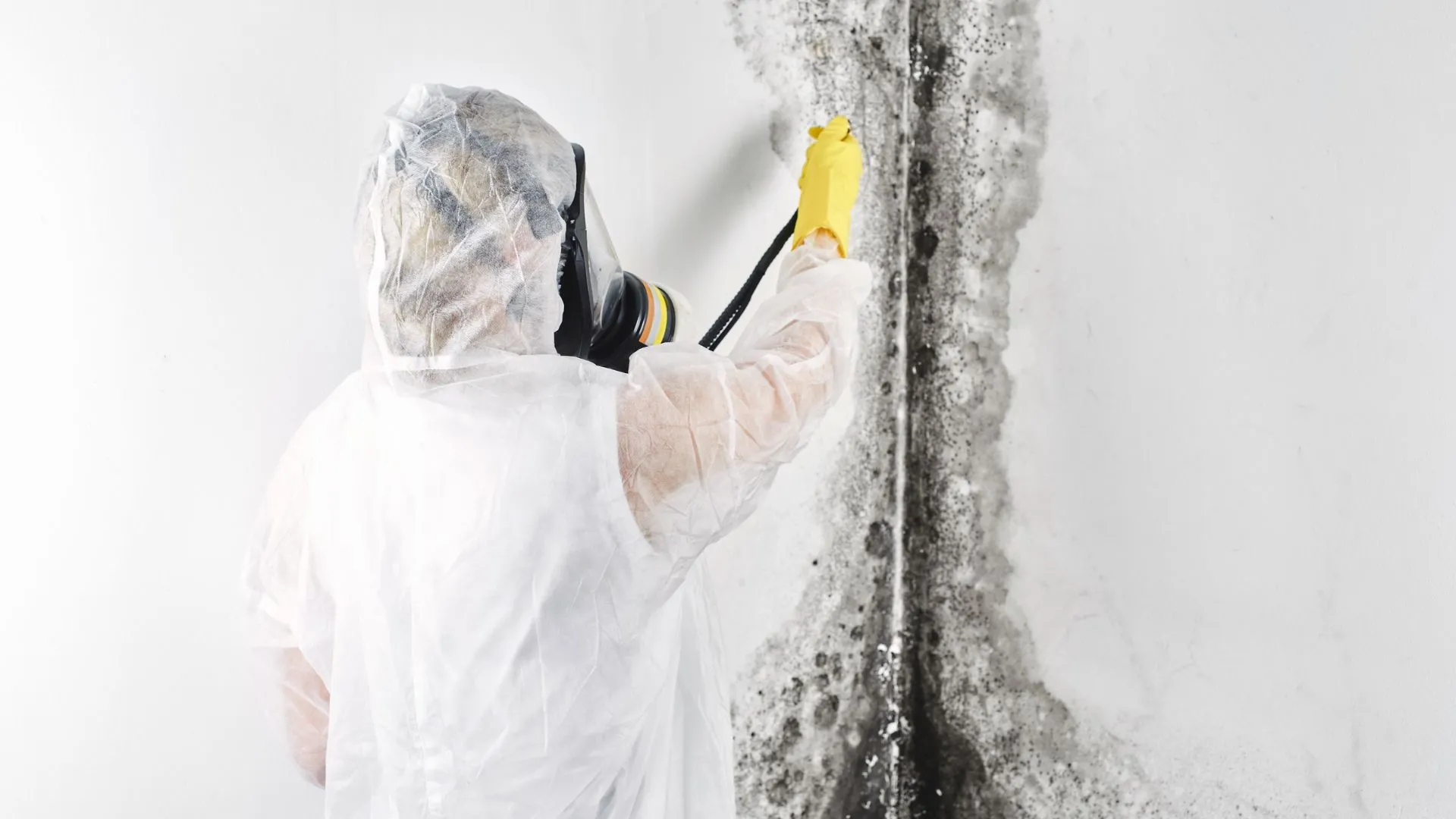
In most parts of the country, mold is a seasonal nuisance that flares up in spring and fades in winter. In Houston, it never takes a break. Our combination of high humidity, warm temperatures, and frequent heavy rain creates conditions that let mold grow twelve months a year, indoors and out. That is why mold removal here is not a one-time fix but an ongoing discipline of detection, remediation, and moisture control. This guide explains why Houston is such a hospitable place for mold, where it hides, and what professional removal actually involves.
Introduction: Why Mold Is a Constant Issue in Houston
Houston sits in a humid subtropical climate, which is close to ideal for mold. Ambient humidity frequently climbs above 80 percent, temperatures stay warm for most of the year, and rainfall is heavy and regular. Mold needs moisture, warmth, and an organic food source to thrive, and our climate supplies the first two almost constantly.
Because of that, mold is not just a seasonal problem here the way it might be elsewhere. There is no cold, dry stretch of winter that naturally halts growth. The conditions that feed mold are present in January as much as in July, which means a moisture problem in any month can become a mold problem within days.
The impact reaches homes, businesses, and the air everyone breathes indoors. Mold degrades indoor air quality, damages building materials, and creates health concerns for occupants. For property owners, that makes ongoing prevention and prompt professional removal a year-round priority rather than a once-a-season chore.
What Makes Houston Ideal for Mold Growth?
Several features of the local environment combine to make Houston unusually friendly to mold.
The first is humidity. High moisture in the air persists throughout the year, giving mold the water it needs even without an obvious leak. The second is rain and flooding. Houston sees frequent heavy downpours and is prone to flooding from tropical storms and hurricanes, each of which can drive water into buildings.
Warm temperatures are the third factor, accelerating mold growth and shortening the time between a moisture event and visible colonies. The fourth is ventilation. Many residential and commercial structures, especially tightly sealed or older buildings, do not breathe well, so moisture that gets in stays in. Put those four together and you have an environment where mold has everything it needs almost all the time.
Why Mold Problems Persist Year-Round
Beyond the general climate, specific recurring conditions keep Houston properties at risk no matter the season.
1. Constant Humidity Levels
The persistent humidity means indoor moisture can build up even when there is no visible leak. Materials absorb moisture from the air, and surfaces in poorly ventilated spaces stay damp enough to support growth.
Air conditioning, which runs much of the year here, adds its own complication. AC systems generate condensation, and when drain lines clog or units are poorly maintained, that condensation becomes a steady moisture source feeding mold around the equipment and inside ductwork.
2. Storms and Flooding Events
Hurricanes, tropical storms, and heavy rainfall regularly push water into Houston properties. Any water intrusion that is not dried quickly becomes a mold problem.
The danger is in delayed drying. When water soaks into walls and subfloors and is not fully extracted and dried, hidden mold begins growing in those materials within 24 to 48 hours. Storm season effectively restarts the moisture cycle for many properties, which is why fast water damage restoration in Houston is so closely tied to mold prevention.
3. HVAC and Indoor Air Circulation Issues
The same air handling systems that keep buildings comfortable can spread mold. When spores reach the ductwork, the system distributes them throughout the property every time it runs.
Poor filtration and neglected maintenance make this worse. Dirty filters, damp coils, and clogged drain pans give mold a foothold inside the system itself, turning the HVAC into both a breeding ground and a distribution network.
4. Hidden Moisture in Building Materials
Much of Houston’s mold problem is invisible because it lives inside building materials. Drywall, insulation, and wood readily trap moisture and hold it long enough for mold to establish.
That is why so much growth happens behind walls and under flooring, out of sight, where it can spread well before any surface sign appears. By the time a stain or smell shows up, the colony behind the surface is usually well established.
Common Areas Where Mold Is Found in Houston Properties
Mold tends to appear wherever moisture collects. In Houston properties, the usual hotspots include:
- Bathrooms and kitchens, where steam, splashing, and plumbing create constant moisture.
- Attics with poor ventilation, where trapped heat and humidity, often worsened by roof leaks, create ideal conditions.
- Basements and crawl spaces, which stay damp from ground moisture and poor airflow.
- Around windows, roofs, and plumbing leaks, where water intrusion and condensation give mold a reliable water supply.
Knowing these common locations helps property owners catch problems early, often before mold spreads beyond the original source.
Health Risks of Mold Exposure
Mold is not only a structural concern. It affects the health of the people who live and work in the building. Common reactions include allergic responses such as sneezing, congestion, itchy eyes, and skin irritation.
For those with respiratory conditions, mold can trigger asthma flare-ups and contribute to chronic symptoms like coughing and difficulty breathing. Long-term exposure is a particular concern for vulnerable groups, including children, older adults, and anyone with a weakened immune system or pre-existing respiratory illness.
These health effects are exactly why early detection and prompt remediation matter so much. The longer mold is present and spreading, the greater the exposure, so addressing it quickly protects both the building and the people in it. If anyone in the building is experiencing persistent symptoms, it is worth consulting a medical professional in addition to addressing the mold.
Signs You May Have a Mold Problem
Mold often announces itself before you can see it. Watch for these indicators:
- Musty or damp odors indoors that linger, which frequently signal hidden growth even when nothing is visible.
- Visible black, green, or white patches on walls, ceilings, grout, or other surfaces.
- Peeling paint or bubbling walls, which point to moisture moving through the wall assembly.
- Increased allergy symptoms indoors that ease when you leave the building, suggesting an indoor air quality issue.
Any one of these is reason enough to investigate further, and a combination of them strongly suggests it is time for a professional inspection.
Why DIY Mold Removal Often Fails
It is tempting to wipe away a visible patch of mold and consider the job done, but DIY cleanup usually addresses only the symptom. Surface cleaning leaves the hidden mold behind walls and under flooring untouched, so the colony simply regrows.
Improper containment is another common failure. Scrubbing mold without sealing the area sends spores airborne, spreading the problem to clean parts of the property. On top of that, most homeowners lack the equipment to control moisture afterward, so the dampness that caused the mold remains and feeds new growth. The result is a temporary cosmetic fix rather than full remediation, and the problem returns, often worse than before.
How Professional Mold Removal Works in Houston
Certified remediation is a methodical process that addresses the mold, the moisture, and the air, not just the visible surface. Here is how a professional mold removal in Houston project unfolds.
1. Inspection and Moisture Detection
The process begins by finding the source of the moisture, because mold is always a symptom of a water problem. Technicians use thermal imaging cameras and moisture meters to locate hidden water and trace how far it has spread behind walls and beneath floors.
2. Containment of Affected Areas
Before removal, the team seals off the affected areas to prevent cross-contamination. Negative air pressure systems with HEPA filtration ensure that any spores disturbed during the work stay contained rather than drifting into clean areas.
3. Safe Mold Removal and Cleaning
Contaminated porous materials that cannot be salvaged are removed and disposed of properly. Remaining surfaces are HEPA vacuumed to capture settled spores and then treated with antimicrobial solutions to address residual growth.
4. Drying and Dehumidification
Industrial air movers and LGR dehumidifiers dry the structure and pull moisture from the air, bringing humidity down to a safe level. Controlling indoor humidity is what keeps the mold from returning once the visible problem is gone.
How Houston Weather Impacts Mold Recurrence
Even after thorough remediation, Houston’s climate keeps the pressure on. Seasonal storms restart the moisture cycle, and a single major rain event can reintroduce water into a property that was previously dry and clean.
Persistent humidity makes complete prevention genuinely difficult, because the air itself carries enough moisture to support growth wherever ventilation is poor. This is why mold control here is ongoing rather than one-and-done. Properties benefit from continued maintenance and monitoring, catching moisture issues early before they turn into the next mold problem. Remediation solves today’s outbreak, but the climate guarantees there is always a tomorrow to plan for.
How to Reduce Mold Risk in Houston Homes
While the climate cannot be changed, several practical steps meaningfully lower your risk:
- Improve ventilation in high-moisture areas like bathrooms, kitchens, and laundry rooms, using exhaust fans to move damp air out.
- Use dehumidifiers indoors to keep relative humidity in a healthy range, especially during humid stretches and storm season.
- Fix leaks immediately. A small plumbing or roof leak left alone is a future mold colony, so prompt repair is one of the most effective preventions.
- Schedule routine inspections so hidden moisture and early growth are caught before they spread, particularly after major storms.
These habits will not eliminate the risk entirely in Houston’s climate, but they dramatically reduce how often mold gets a foothold.
FAQs About Mold Removal in Houston
Why is mold so common in Houston?
Houston’s humid subtropical climate is close to ideal for mold. High year-round humidity, warm temperatures, and frequent heavy rain and flooding give mold the moisture and warmth it needs to grow almost constantly. Unlike colder regions, Houston has no extended dry, cold season to naturally slow growth, so mold remains a risk in every month of the year.
Can mold grow even without visible water damage?
Yes. In Houston’s humidity, mold can grow from moisture in the air alone, without any obvious leak or flood. Condensation from air conditioning, poor ventilation, and damp building materials all provide enough moisture for growth. This is why mold often appears in places with no visible water source, and why musty odors are worth investigating even when everything looks dry.
How fast does mold spread in humid climates?
Mold can begin growing within 24 to 48 hours of materials becoming wet, and in a warm, humid climate like Houston’s it can spread quickly from there. Once a colony establishes inside walls or under flooring, it continues to expand as long as moisture is present, which is why fast drying after any water event is so important.
Is professional mold removal necessary for small spots?
Very small surface spots on a non-porous surface can sometimes be cleaned by a homeowner, but recurring or spreading mold, any musty odor, or mold on porous materials like drywall warrants a professional inspection. Often what looks like a small spot is the visible edge of larger hidden growth, and professional moisture detection is the only reliable way to know the true extent.
How can homeowners prevent mold year-round in Houston?
The most effective steps are controlling indoor humidity with dehumidifiers, improving ventilation in moisture-prone rooms, fixing leaks as soon as they appear, and scheduling routine inspections, especially after storms. Because Houston’s climate constantly works against you, consistent moisture control year-round is far more effective than reacting only when mold becomes visible.
Final Thoughts: Why Year-Round Prevention Matters
The core reality is simple: in Houston’s climate, mold is a continuous risk rather than a seasonal one. The humidity, heat, and storms that define our weather create year-round conditions for growth, so treating mold as a once-in-a-while problem leaves properties exposed.
Professional removal is essential, but it is only part of the solution. Remediation clears an active outbreak, while ongoing moisture control is what keeps the next one from forming. The two work together: expert removal when mold appears, and consistent prevention to limit how often it does.
If you are dealing with mold or want to get ahead of it, professional help makes the difference. Predator Restoration is an IICRC-certified, locally owned company serving Houston and the surrounding Harris County communities, from the Heights and Cypress to Klein, Willowbrook, and Jersey Village. Our team uses advanced moisture detection, proper containment, and industrial drying to remove mold completely and help keep it from coming back. When mold shows up, contact us or call right away.