

Houston’s subtropical climate makes water damage a constant threat for property owners. This guide is for Houston homeowners and property managers who want to systematically inspect for water damage and prevent costly repairs or mold issues. Whether you’re dealing with storm flooding, burst pipes, or slab leaks, knowing exactly what to inspect can mean the difference between a quick fix and a costly mold remediation project. This water damage inspection checklist Houston is designed for homeowners and property managers to ensure a thorough, step-by-step evaluation of your property, helping you catch issues early and avoid expensive repairs or health hazards.
Key Takeaways
- 24/7 emergency inspections available across Houston, Willowbrook, Klein, Cypress, Jersey Village, Kingwood, North Houston, and nearby communities
- Mold growth can begin within 24-48 hours when moisture exceeds 60% relative humidity in Houston’s climate—fast inspections prevent secondary damage
- Hidden moisture behind walls and under flooring requires professional tools like moisture meters and thermal imaging to detect
- This checklist works for homeowners and commercial property managers, though Predator Restoration can perform every step professionally
- Call (832) 937-4620 immediately or message us online for same-day water damage inspection
Why Use a Water Damage Restoration Checklist?
Using a water damage restoration checklist helps ensure that the restoration process is carried out systematically and thoroughly, minimizing further damage. A water damage restoration checklist should include a title page to record the date, time, location, and details about the site being assessed for water damage restoration. By following a structured checklist, you can document the source or cause, signs, and extent of the water damage, as well as perform in-depth checks on contamination level, category, and class of the water damage. This approach not only streamlines the inspection process but also provides essential documentation for insurance claims and future reference.
Water Damage Inspection Checklist Summary
A water damage restoration checklist should include:
- Title Page: Record the date, time, location, and details about the site being assessed for water damage restoration.
- Source or Cause Documentation: Space to note the suspected or confirmed source of water intrusion (e.g., burst pipe, storm flooding, appliance failure).
- Signs and Extent of Damage: Checklist items to document visible signs (stains, warping, odors) and the extent of affected areas.
- Contamination Level, Category, and Class: Sections to record the contamination level (clean, grey, or black water), water category, and class of water damage.
- Room-by-Room Inspection: Detailed checks for each room or area, including high-risk zones and hidden moisture.
- Moisture Mapping: Tools and steps for measuring and tracking moisture levels throughout the property.
- Mitigation and Documentation: Steps for immediate mitigation, removal of unsalvageable materials, and thorough documentation for insurance.
- Final Review: Confirmation that all affected areas have been inspected, dried, and documented.
Houston Water Damage Inspection Overview
A water damage inspection checklist systematically evaluates visible and concealed water intrusion to assess the full extent of damage, identify the water source, and determine mitigation needs. In greater Houston, this process requires local expertise.
Common threats include Gulf-fed thunderstorms (40-50 events yearly), tropical storms, hurricanes, street flooding from undersized drainage, slab leaks in expansive clay soils, AC drain backups during humid summers, and aging plumbing in mid-century homes. Predator Restoration performs detailed on-site inspections for both residential properties and commercial spaces—offices, warehouses, and multifamily buildings up to 100,000 square feet.
Need immediate help? Call (832) 937-4620 for same-day water damage inspection anywhere in Houston.
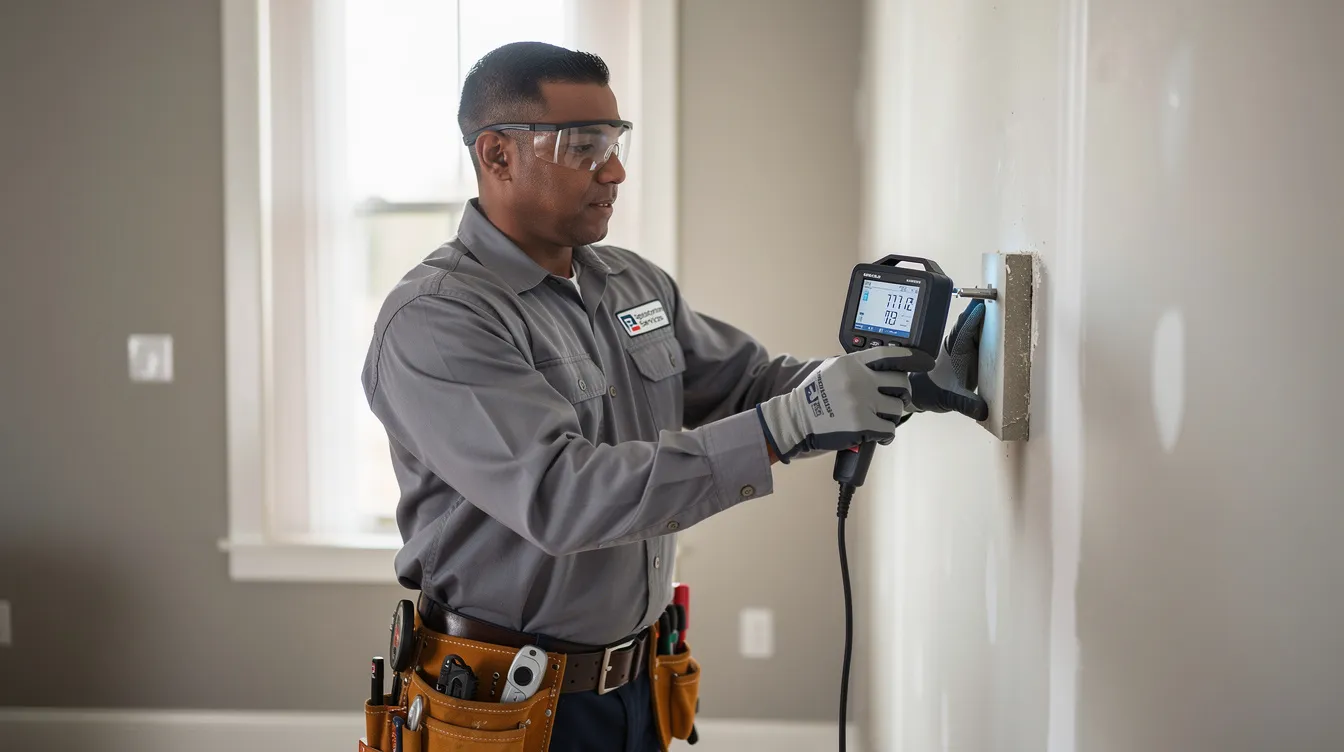
Types of Water Damage in Houston Properties
Water damage in Houston and the surrounding areas—including Conroe and Montgomery County—can arise from a variety of sources, each presenting unique challenges for property owners. Recognizing the specific type of water intrusion is the first step in protecting your home or business and ensuring a successful restoration process.
Burst Pipes
Sudden pipe failures are a leading cause of water damage, especially during temperature swings or due to aging plumbing. Signs often include unexpected pooling water, a sudden increase in your water bill, or visible leaks behind walls and ceilings. Burst pipes can quickly saturate drywall and flooring, leading to sagging drywall and the risk of structural damage if not addressed promptly.
Storm Flooding
Houston’s frequent storms and heavy rainfall can overwhelm drainage systems, resulting in storm flooding that brings flood waters into basements, crawl spaces, and ground-level rooms. This type of water intrusion can affect large areas and often carries contaminants, making professional water removal and restoration essential to prevent mold growth and further damage.
Sewage Backups
Sewer backups are a serious concern, especially in older neighborhoods or after heavy rains. These incidents introduce hazardous bacteria and require immediate attention to protect indoor air quality and occupant health. Musty odors, slow drains, and water pooling around floor drains are common warning signs.
Slab Leaks
Homes and businesses built on concrete slabs are susceptible to hidden leaks beneath the foundation. Slab leaks can go unnoticed for weeks, but may reveal themselves through warped flooring, persistent musty odors, or unexplained spikes in your water bill. Over time, slab leaks can undermine the structural integrity of the property.
Other Common Causes
Washing machines, supply lines, and aging appliances can also contribute to water damage. In Montgomery County and nearby communities, property owners should watch for peeling paint, bubbling walls, or sudden increases in water usage as indicators of hidden leaks.
Identifying the source and type of water damage early allows for a targeted restoration approach, minimizing damage and reducing the risk of mold growth. If you notice any of these warning signs—such as sagging drywall, musty odors, or a sudden jump in your water bill—contact a certified restoration company like Predator Restoration to assess the full extent of the damage and begin the restoration process.
Once the type and source of water damage are identified, a systematic inspection can begin to assess the full extent of the problem.
Step-by-Step Water Damage Inspection Checklist
The following steps outline a comprehensive approach to water damage inspection, ensuring no detail is overlooked. Each step is designed to help you document, assess, and address water damage efficiently.
Step 1: Initial Safety & Documentation Checklist
Safety Checks
| Safety Check | Action Required |
|---|---|
| Electricity | Shut off breakers if water contacts outlets or appliances |
| Gas lines | Verify safety in mechanical rooms; evacuate if leaks detected |
| Water source | Locate and close main shutoff, appliance valves, or irrigation lines |
Documentation Tasks
- Take timestamped photos and videos of all visible water damage
- Capture stains, damaged belongings, and active leaks
- Note the location and approximate volume of affected areas
Predator Restoration technicians arrive with proper PPE and immediately evaluate for contamination risks from sewage backups, flood waters, or suspicious musty odors.
Transition: With safety secured and initial documentation complete, the next step is to inspect the property’s exterior for signs of water intrusion.
Step 2: Exterior Water Damage Inspection Checklist (Houston-Focused)
Houston’s 60+ inches of annual rainfall makes exterior inspection critical after any storm event.
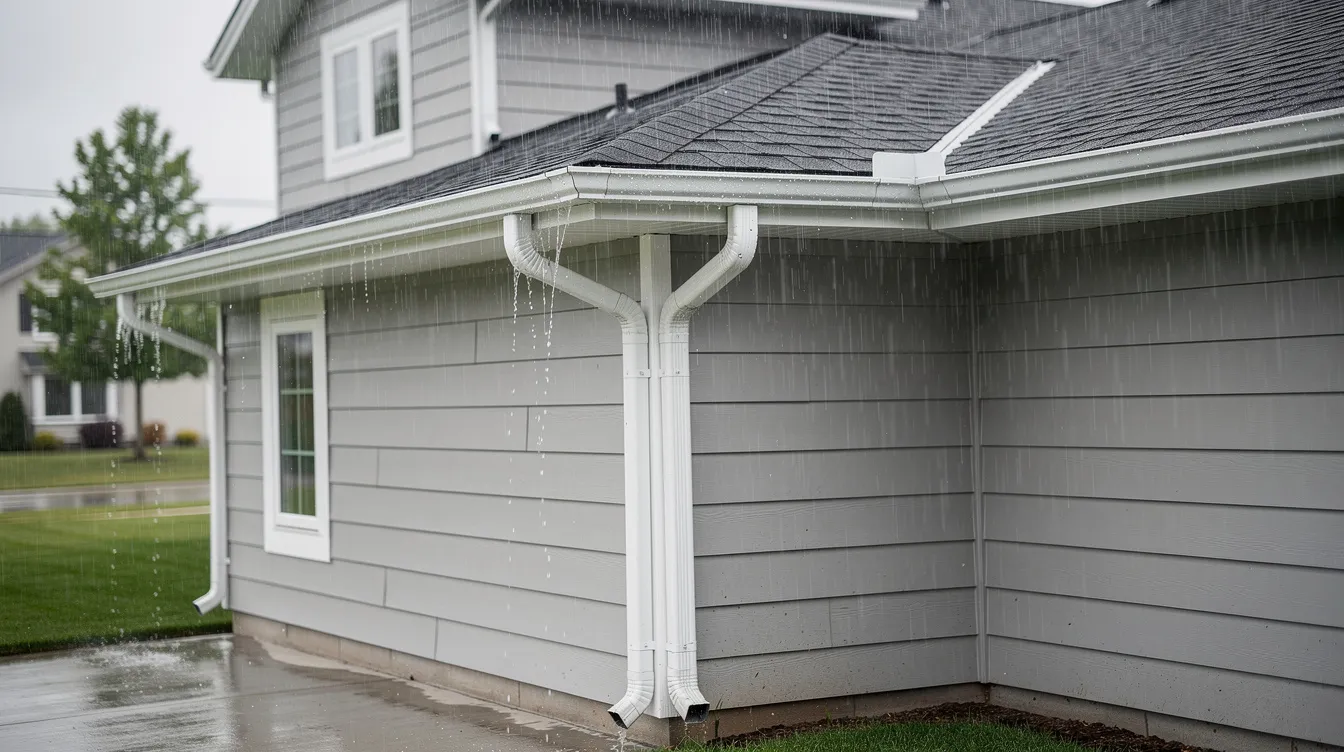
Roof and Gutters
- Check for missing shingles and lifted flashing at valleys
- Inspect gutters for clogs and proper attachment
- Verify downspouts extend 4-6 feet from foundation
Foundation and Grading
- Look for standing water near slab edges
- Identify sunken spots around the perimeter
- Check for pooling near brick weep holes
Walls and Windows
- Inspect siding, caulking around windows and doors
- Examine patio door thresholds for gaps exceeding 1/8 inch
Document any storm damage with exact dates for your insurance claim—this supports faster approvals with your insurance company.
Transition: After confirming the exterior is secure, move inside to perform a detailed, room-by-room inspection for hidden and visible water damage.
Step 3: Interior Room-by-Room Water Damage Inspection Checklist
Systematic room-by-room inspection catches damage that varies depending on construction and water source.
Visible Signs to Check in Each Room
- Wet or warped flooring (hardwood buckles at 12% moisture content)
- Sagging drywall and ceiling stains
- Peeling paint and swollen baseboards
- Rust on HVAC vents and metal fixtures
High-Risk Areas
- Window perimeters and sliding door tracks
- Plumbing penetrations and exterior walls
- Under sinks and around supply lines
Our technicians use moisture meters (readings above 15-17% indicate active damage) and thermal imaging cameras to scan behind walls and under flooring. In Houston slab homes, water can migrate 20-50 feet laterally—invisible without professional equipment.
Transition: Once interior rooms are checked, focus on plumbing, appliances, and HVAC systems, which are common sources of hidden leaks.
Step 4: Plumbing, Appliances & HVAC Inspection Checklist
Approximately 25% of Houston water damage claims stem from plumbing and appliance failures.
Plumbing Checks
- Under-sink supply lines and P-traps
- Toilet bases and wax ring seals
- Shower pans and tub surrounds
- Exposed PEX or copper in garages
Appliance Inspections
- Washing machines (hoses typically fail at 5-7 years)
- Water heaters, especially attic units common in Houston
- Refrigerator ice makers and dishwasher seals
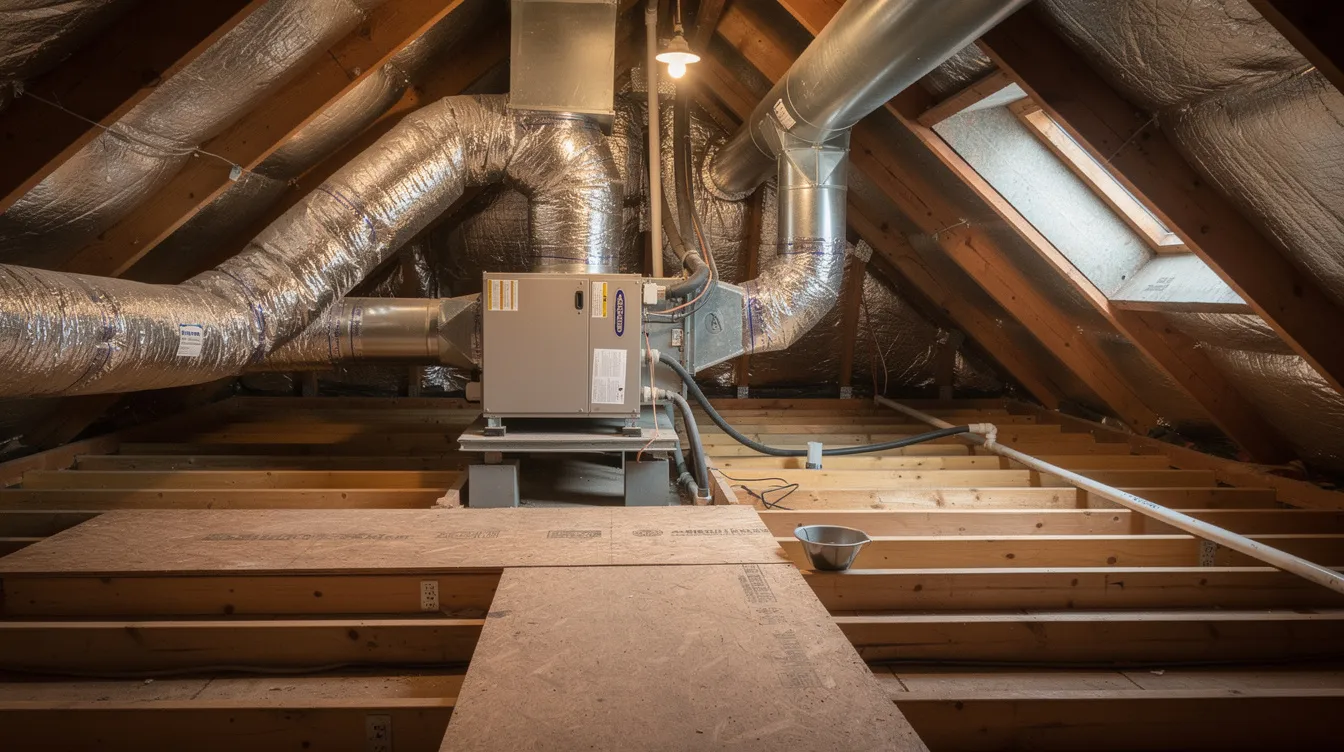
HVAC and AC Systems
- Condensate lines and drain pans in attics or closets
- Ceiling staining below units
- Wet insulation or drywall around air handlers
Document serial numbers of any leaking appliances for warranty claims or insurance provider documentation.
Transition: After inspecting all mechanical systems, it’s time to map moisture levels and assess the contamination category of the water damage.
Step 5: Moisture Mapping, Categories & Contamination Checklist
Professional inspection goes beyond what the eye can see, especially in Houston’s high-humidity conditions where indoor air quality concerns multiply.
Moisture Mapping Process
- Mark all wet readings on floor plans using moisture meters and thermal imaging
- Track drying progress with daily measurements
- Target less than 15% moisture content in wood, less than 1% in drywall
Water Categories (IICRC S500 Standards)
The three categories of water damage are clean water, grey water, and black water:
- Category 1 (Clean Water): Clean water comes from a sanitary source and does not pose an immediate health concern, but can still cause property damage if not managed quickly. Examples include burst pipes and supply line leaks.
- Category 2 (Grey Water): Grey water can cause illness and discomfort if ingested, with typical sources including dishwashers and washing machines.
- Category 3 (Black Water): Black water is dangerously contaminated and can cause severe illness or death if ingested, with sources including sewer backups and flood waters.
| Category | Source | Examples |
|---|---|---|
| 1 (Clean) | Potable supply | Burst pipes, supply line leaks |
| 2 (Grey) | Contaminated | Washing machines, dishwashers |
| 3 (Black) | Grossly contaminated | Sewer backups, bayou flooding |
Different materials—drywall, insulation, carpet, concrete slab—require different drying approaches and timelines.
Transition: With moisture and contamination levels documented, the next step is to evaluate the risk of mold and persistent odors.
Step 6: Mold Risk & Odor Evaluation Checklist
Houston’s 80-90°F temperatures and 70-90% humidity create ideal conditions for mold to begin growing within 24-48 hours on wet cellulose materials.
Mold Risk Indicators
- Musty odors throughout affected areas
- Visible spotting on drywall or baseboards
- Discoloration behind furniture
- Prior water stains suggesting older, unresolved leaks
High-Risk Zones in Houston Properties
- Closets on exterior walls
- Under sinks with organic debris
- Around AC closets
Odor evaluation includes assessing for sewage smells, stagnant water odors, and any mixed smoke or chemical contamination. Predator Restoration can transition from inspection to mold remediation and odor removal when elevated risks appear to prevent mold growth from spreading.
Transition: After assessing mold and odor risks, it’s time to take action and document all mitigation steps for insurance and future reference.
Step 7: Post-Inspection Actions, Mitigation & Documentation Checklist
Recommended Actions
- Remove water and standing water quickly using commercial grade pumps and specialized equipment during emergency response
- Deploy air movers and LGR dehumidifiers for structural drying
- Remove unsalvageable materials to prevent further damage
- Protect unaffected areas from spread
Professional water damage restoration services typically include emergency water extraction, structural drying, and thorough cleaning to prevent further damage and ensure safety.
Documentation for Insurance
- Written summary listing affected rooms and materials
- Suspected water source and water category
- Initial moisture readings and photos
- Clear plan with estimated timeline
Predator Restoration provides insurance-ready documentation and can work directly with adjusters to streamline the claims process, helping restore your property to pre loss condition.
Transition: Knowing when to call a professional can make all the difference in minimizing damage and speeding up recovery.
When to Call Predator Restoration for a Houston Water Damage Inspection
Many property owners in Harris County and Conroe and Montgomery County aren’t sure when to call professionals. Here are clear triggers:
- Standing water lasting more than a few hours
- Ceiling or wall sagging indicating structural damage
- Repeated AC drain backups
- Water from external flooding or sewage
- Any musty odors after a leak
- Sudden increases in your water bill
Multi-story homes, properties with water in attics, and commercial buildings need professional inspection to minimize damage. Predator Restoration offers 24/7 emergency response with rapid dispatch to respond quickly across Houston and nearby communities.
Call (832) 937-4620 now or message us online to protect your property.
Why Houston Property Owners Trust Predator Restoration
Predator Restoration has built its reputation as a meticulous, locally-based restoration company through hands-on service—not subcontracted work.
Our Full Service Capabilities
- Water damage restoration and water removal
- Flood cleanup and water restoration
- Mold remediation and mold removal
- Fire and smoke damage restoration
- Storm damage repair and sewage cleanup
- Odor removal and rebuild/reconstruction
Our certified technicians personally inspect every property, identify hidden moisture and bacteria contamination, and manage complete mitigation instead of surface-level repairs. This approach prevents secondary damage and mold, protecting homeowners from escalating costs.
Ready to protect your property? Call (832) 937-4620 for emergency help or contact us online for a detailed inspection and written estimate.
Water Damage Inspection FAQs – Houston, TX
How fast can Predator Restoration inspect my Houston property after a water incident?
Predator Restoration offers 24/7 emergency response with same-day inspections across Houston, Lake Woodlands, Conroe TX, and Montgomery County. For active emergencies like burst pipes or storm flooding, technicians prioritize arrival within hours to begin inspection and mitigation immediately.
Do I need a professional water damage inspection if the area looks mostly dry?
Yes. In Houston’s humid climate, surfaces often appear dry while moisture remains trapped in drywall, insulation, and subfloors—creating perfect conditions for structural damage and mold. Professional moisture meters and thermal imaging confirm whether materials have returned to safe levels.
Will my insurance cover a professional water damage inspection in Houston?
Most homeowners and commercial policies cover inspections for sudden, accidental water damage from burst pipes, appliance failures, or storm damage. Coverage details vary depending on your specific situation. Predator Restoration provides detailed reports and photos to support your insurance claim.
How long after an inspection does water damage mitigation usually take?
Structural drying typically takes 3-5 days in Houston, though this varies depending on saturation levels, building construction, and ambient humidity. Repairs and reconstruction may extend the timeline. Predator Restoration outlines a complete project-specific timeline after initial inspection.
Can Predator Restoration help if mold is discovered during the inspection?
Absolutely. If mold appears during inspection, Predator Restoration transitions immediately to mold remediation planning while continuing water damage mitigation. Our team follows EPA and industry-standard containment, removal, and cleaning protocols to address mold safely and protect occupants.