
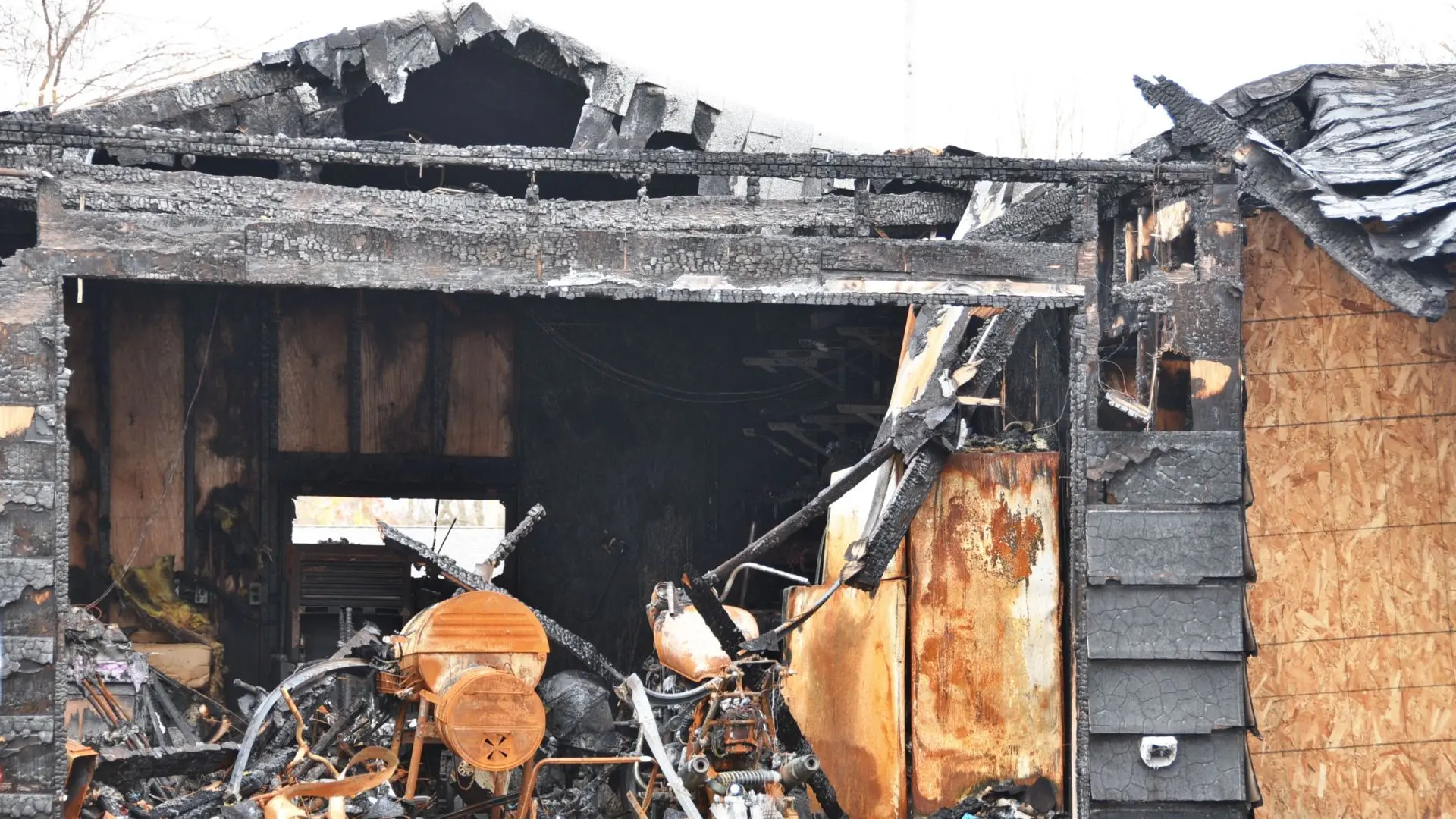
A house fire changes everything in minutes, but what happens in the first 24 hours afterward has just as much influence on how well your home recovers. For Houston, TX homeowners dealing with fire damage, that first day is when the most important safety decisions get made and when the restoration process needs to begin.
Understanding what to expect from fire damage restoration in Houston, TX, from the moment the fire department clears the scene to the point a restoration team walks through your door, can make a stressful situation far more manageable.
This guide walks through what typically happens in the hours right after a house fire: when it is safe to go back inside, what to avoid touching or using, what steps protect your insurance claim, and how a company like Predator Restoration steps in to coordinate the recovery process on your behalf.
Why the First 24 Hours After a Fire Matter
Fire damage rarely stops when the flames go out. Smoke and soot continue to settle into fabrics, drywall, and HVAC systems for hours afterward, and the water used to extinguish the fire keeps working its way into flooring, subfloors, and wall cavities the entire time. The longer soot sits on a surface, the more it bonds to it and the harder it becomes to remove without permanent staining. The longer firefighting water sits, the more likely it is to warp wood, blister paint, and create the moist conditions mold needs to take hold.
That combination is especially relevant in Houston. The area’s heat and humidity mean there is almost always enough moisture in the air for mold to start growing, so a home that already has firefighting water sitting in it has very little margin for delay. This is part of why fire damage restoration in Houston, TX is treated as a time sensitive process rather than something that can wait a few days to schedule.
Is It Safe to Go Back Inside Your Home?
The most important rule after a fire is simple: do not reenter the property until the fire department has cleared it. Firefighters and, in larger incidents, fire investigators need to confirm that the structure is stable and that the fire is fully extinguished, including hidden hot spots inside walls or attic spaces that could reignite.
Even after you are cleared to return, several hazards still require caution:
• Structural instability. Fire can weaken load bearing walls, floor joists, and roof supports in ways that may not be immediately visible. Charred beams, sagging ceilings, or soft flooring are warning signs to leave the area and wait for a professional assessment.
• Poor air quality. Smoke leaves behind fine particles, while burned materials such as carpet, furniture, and insulation can release irritating or harmful substances. People with respiratory sensitivities, pregnant individuals, children, and pets should avoid spending extended periods inside until the property has been properly assessed and ventilated.
• Carbon monoxide and gas lines. If the home uses natural gas or the fire involves gas appliances, do not assume the lines are safe. Have the fire department or utility company confirm there are no leaks before using gas appliances or equipment.
• Potential asbestos in older Houston homes. Properties in areas such as the Heights, Meyerland, and other older Houston neighborhoods may contain asbestos in materials such as insulation, flooring, or ceiling products. Fire and cleanup work can disturb these materials, so suspected asbestos containing debris should be left to qualified professionals rather than handling yourself.
What Not to Do in the First 24 Hours
It is natural to want to start cleaning up immediately, but some common reactions can actually spread contamination or create additional damage. If you are waiting for a professional fire damage assessment, avoid the following:
• Do not turn on the HVAC system. If soot has entered the ductwork, running the air conditioner or heater can circulate soot and odors throughout the home, including areas the fire did not reach. Leave the system off until it has been inspected and cleaned if necessary.
• Do not wipe or scrub soot from surfaces. Dry soot can be abrasive, and using a paper towel or damp cloth may push it deeper into fabrics, drywall, and finished surfaces. Improper cleaning can make otherwise restorable materials more difficult to salvage.
• Do not eat food exposed to smoke, heat, or firefighting water. Smoke and firefighting chemicals can contaminate food even when there are no obvious signs of damage. Refrigerated or frozen food may also be unsafe if the power was out for an extended period.
• Do not use wet electronics or appliances. Water and fire suppression materials can damage electrical components and create shock or fire hazards. Avoid plugging in affected electronics, appliances, or extension cords until they have been inspected by a qualified professional.
What to Do Immediately After a Fire
Once the fire department has cleared the property and confirmed it is safe to approach, the first few hours are important. Taking the right steps early can help protect your family, limit further damage, and make the insurance process easier to manage.
- Contact your insurance company: Most policies require prompt notification after a loss. Starting the claim early gives your insurance adjuster time to arrange an inspection and document the damage before restoration work begins.
- Photograph and record the damage: Before moving, cleaning, or discarding anything, take photos and videos of every affected area. Include bedrooms, closets, the attic if it is safe to access, and the exterior of the property. Detailed documentation can provide important evidence for your insurance claim.
- Secure the property: Broken windows, damaged doors, and openings in the roof can leave the property exposed to weather and unauthorized entry. Boarding up openings, covering roof damage, and securing accessible entry points can help prevent additional losses while the claim and restoration process get underway.
- Contact Predator Restoration: A professional restoration team can assess the extent of the damage and help determine what can be salvaged, what needs to be removed, and how cleaning, drying, odor control, and repairs should be sequenced. Getting professional help early can also reduce the risk of secondary damage while the restoration process moves forward.
How Predator Restoration Coordinates Fire Damage Restoration for Houston Homeowners
Fire damage restoration touches several different specialties at once, structural cleaning, water extraction, odor treatment, and often rebuilding. Predator Restoration serves as the Houston homeowner’s single point of contact for that process, coordinating fire damage restoration for Houston homeowners by managing the assessment, connecting the right restoration partners for the fire specific cleanup work, and handling the water damage response directly as part of our core service line.
Initial Assessment and Securing the Property
The first step is a walkthrough to document the extent of smoke, soot, and structural damage, along with any standing water from firefighting efforts. Based on that assessment, immediate steps like boarding up windows, tarping roof damage, and securing entry points are put in place to prevent additional loss while the restoration plan comes together.
Coordinating Soot and Smoke Cleanup With Our Restoration Partners
Because fire restoration involves specialized techniques for removing soot from different surfaces, treating smoke damage in porous materials, and cleaning HVAC systems, Predator Restoration coordinates this work with trusted restoration partners who focus specifically on that scope. We manage the scheduling, communication, and quality checks throughout, so homeowners have one point of contact instead of juggling multiple vendors on their own.
Addressing Water Damage From Firefighting Efforts
Water damage restoration is one of Predator Restoration’s core services, so when firefighting water has soaked flooring, drywall, or subfloors, our team handles extraction, structural drying, and monitoring directly. Getting moisture levels back under control quickly is especially important in Houston’s climate, where high humidity gives mold very little time to wait before it starts to grow.
Odor Treatment and Final Walkthrough
Smoke odor can linger in fabrics, insulation, and even framing long after visible soot is gone. Once cleaning and drying are complete, odor treatment is coordinated as part of the restoration plan, and Predator Restoration conducts a final walkthrough with the homeowner to confirm the work matches what was scoped and documented for the insurance claim.
Throughout this process, Predator Restoration’s role is to keep the project organized and moving, verify the work being done by restoration partners, and make sure Houston homeowners are not left to manage multiple contractors and timelines on their own during an already stressful time.
Documenting Fire Damage for Your Insurance Claim
Insurance coverage for fire damage restoration depends entirely on your specific policy, so it is worth reviewing your coverage details or asking your agent directly about what is included, from structural repairs to smoke damage cleanup to temporary housing if your home is not livable during restoration. In general, thorough documentation, photos, video, an itemized list of damaged belongings, and receipts for any emergency expenses, gives your adjuster what they need to process the claim accurately. Predator Restoration’s assessment and documentation of the damage can support that claim, though the final coverage decision always rests with your insurance provider.
When to Contact Predator Restoration After a Houston Fire
If your home in Houston has experienced fire damage, the safest and most efficient path forward is to call as soon as the fire department clears the property, even before you have finished contacting your insurance company. Predator Restoration is available 24/7, which matters because the earlier the assessment and securing of the property happen, the fewer secondary problems, like mold from firefighting water or worsening soot staining, you will have to deal with later.
Fire damage restoration in Houston, TX is not something most homeowners face more than once, and it is not something to navigate alone. Predator Restoration coordinates the full recovery process for Houston homeowners, from the initial assessment through final walkthrough, so you have one team managing the details while you focus on your family. If your home has been affected by fire, contact Predator Restoration to get the restoration process started.
Frequently Asked Questions
How long does fire damage restoration take for a typical Houston home?
Timelines vary based on the extent of the fire, smoke, and water damage, as well as how quickly the insurance claim moves. A single room with limited smoke damage may be restored in a couple of weeks, while a fire that caused structural damage or affected multiple rooms can take considerably longer once repairs and rebuilding are factored in. Predator Restoration can give you a more specific estimate after the initial assessment.
Will my homeowners insurance cover fire damage restoration in Houston, TX?
Most homeowners policies include fire damage coverage, but the specifics, including limits, deductibles, and whether smoke damage or temporary housing are covered, depend on your individual policy. Reviewing your policy details or speaking directly with your insurance agent is the best way to understand exactly what your coverage includes.
Can I stay in my home during the fire damage restoration process?
It depends on the extent of the damage. If the fire was contained to one area and the rest of the home has safe air quality and stable structure, some homeowners are able to stay. If there is significant smoke damage, water damage, or any structural concerns, temporary relocation is usually the safer option until the restoration team confirms the home is livable again.
What is the difference between soot damage and smoke odor damage?
Soot is the visible black or gray residue left behind after combustion, and it settles on surfaces where it can stain and, if not removed correctly, become difficult to clean. Smoke odor comes from microscopic particles that work their way into porous materials like drywall, insulation, and fabric, and it often requires separate treatment even after visible soot has been cleaned.
Does Predator Restoration handle both the fire damage cleanup and the water damage from firefighting?
Water damage restoration is one of Predator Restoration’s core, in house services, so we handle water extraction and structural drying directly. For the fire specific cleanup, such as soot removal and smoke damage treatment, Predator Restoration coordinates with trusted restoration partners and manages that work on your behalf, so you have a single point of contact for the entire recovery process.