
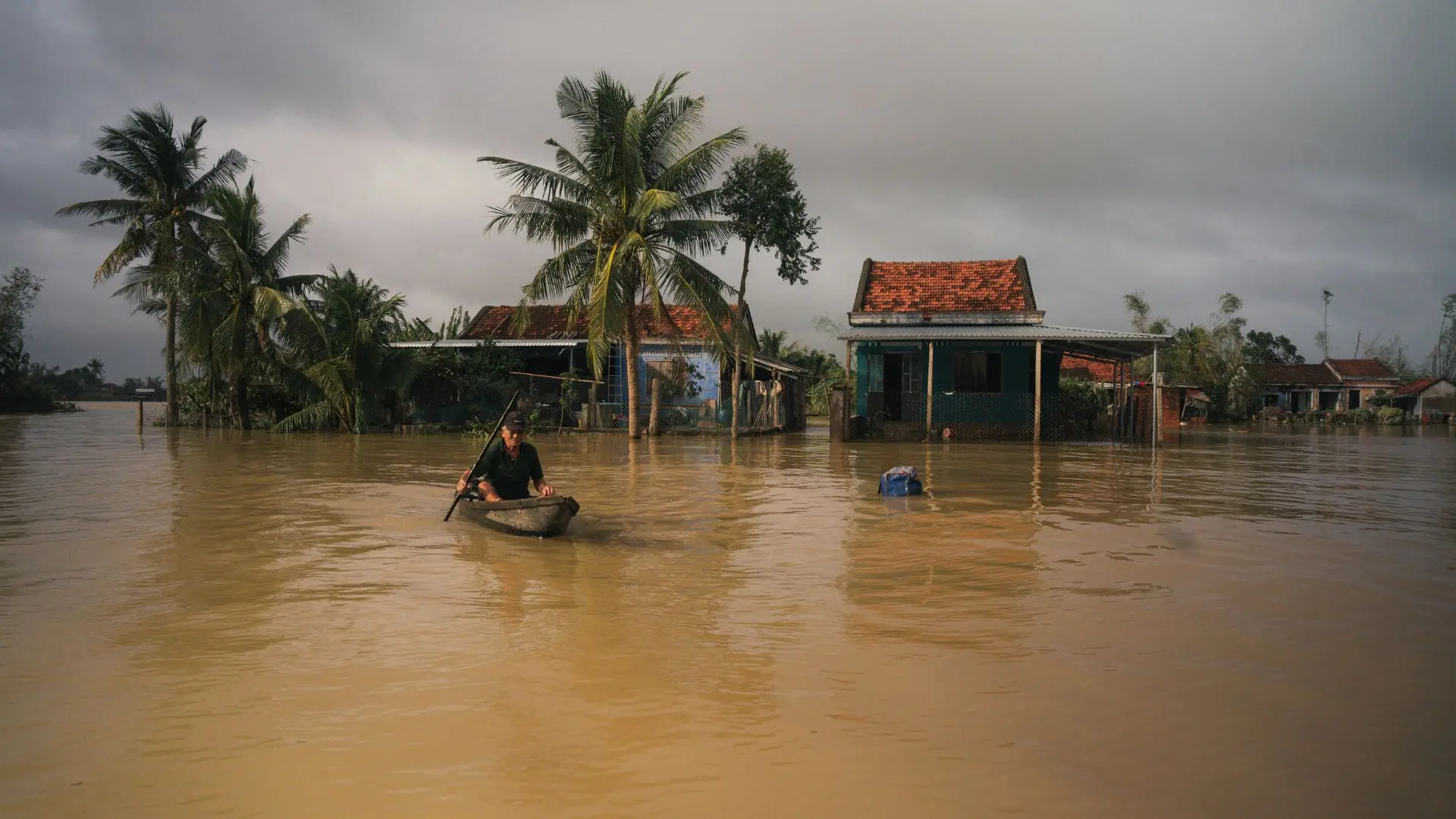
When a flash flood hits Houston, water can rise inside a home in far less time than most people expect. Intense rain events, overwhelmed drainage, and rising bayous can turn a dry living room into standing water within an hour, and what happens in that first hour often determines how much of the home can be saved. This guide walks through the immediate safety steps, what to do while the water is still fresh, and what a professional flood damage cleanup in Houston, TX actually involves once help arrives, so homeowners know what to expect and why calling quickly matters.
Why Houston Homes Flood Fast, and Why Every Minute Counts
Houston sits on flat, low lying terrain with heavy clay soil that drains slowly, and the city is threaded by Buffalo Bayou, Brays Bayou, White Oak Bayou, Sims Bayou, and dozens of smaller creeks and drainage channels. When an intense rain event pushes more water into those channels than they can carry, the bayous back up and street drainage overflows, sending water into yards, garages, and living spaces, sometimes within an hour of the rain starting. This is different from a slow seasonal rise. Flash flooding can catch homeowners off guard because there is little warning between the first water at the curb and water inside the house.
That speed is exactly why the first hour matters so much for flood damage cleanup. Floodwater does not sit still once it is inside a structure. It wicks up drywall, soaks into subflooring, and works its way under baseboards and cabinetry almost immediately. The longer water sits, the more building materials absorb it, and the higher the risk that mold begins developing in wall cavities and under flooring within just a day or two.
Homeowners who understand the first hour, and who know when to call a flood damage cleanup team in Houston, TX, are in a much better position to limit the damage than those who wait to see if the water goes down on its own.
Immediate Safety Steps After a Flash Flood
Before touching valuables or thinking about cleanup, safety comes first. Floodwater is unpredictable, and a few precautions in that first hour can prevent an injury on top of property damage.
1. Avoid Standing Water Near Electrical Systems
Never wade into standing water if there is any chance it has reached outlets, power strips, or major appliances. Water conducts electricity, and a live circuit sitting in a flooded room is a serious hazard. If breakers or outlets are already underwater, stay out of that area entirely and wait for a professional or an electrician to confirm it is safe.
2. Do Not Drive Through Flooded Streets
Houston streets can flood far deeper than they appear, and moving water can sweep a vehicle off the road even in what looks like a shallow crossing. If roads near the home are flooded, wait it out rather than trying to reach the property. Getting to the house an hour later is far better than not getting there at all.
3. Watch for Contamination in Bayou and Street Runoff
Flash flood water in Houston is rarely clean. Water that has come from bayou overflow or street runoff can carry sediment, chemicals, fuel, and bacteria picked up along the way, along with whatever it passed through on someone else’s property. Anyone who does need to move through that water should avoid direct skin contact where possible, wash thoroughly afterward, and keep children and pets away from it until the area has been assessed.
Key Actions to Take in the First Hour After a Flash Flood
Once it is safe to be in or near the home, a few specific actions in that first hour can meaningfully reduce the damage and make the flood damage cleanup process faster.
Move Valuables and Take Photos Before Water Recedes
If it is safe to do so, move furniture, electronics, and important documents to higher ground or a dry room. Before moving anything or starting any cleanup, take photos and video of the flooding as it stands, including water lines on walls, affected furniture, and any visible damage. This documentation is difficult to recreate later and matters both for insurance and for the restoration company’s initial assessment.
Shut Off Power at the Breaker, If It’s Safe to Reach
If the breaker panel is accessible and not standing in water, shutting off power to affected areas of the home reduces electrical risk while the flood damage cleanup gets underway. If reaching the panel means walking through water, skip this step and let a professional handle it instead.
Contact a Flood Damage Cleanup Team and Your Insurer
The first hour is also the time to make two calls: one to a flood damage cleanup company and one to the insurance provider. Predator Restoration is available around the clock for flood damage cleanup in Houston, TX, which matters because water damage does not wait for business hours. Calling early gets a crew scheduled sooner and gives the insurer a timely report of the loss, which is typically expected as part of the claims process.
Why Fast Professional Response Changes the Flood Damage Cleanup Outcome
The gap between a flooded home that dries out cleanly and one that develops mold, warped flooring, and lingering odors usually comes down to response time. Wet drywall and insulation left untreated can allow mold colonies to establish within a couple of days in Houston’s warm, humid climate, which is faster than many homeowners expect. Water that has soaked into subflooring or wall cavities also keeps evaporating slowly into the home’s air long after the visible puddles are gone, which is part of why simply mopping up standing water is not the same as a professional drying process.
A fast professional response also protects against damage that is not obvious right away. Floors can cup or buckle, cabinetry can swell and separate at the seams, and trapped moisture behind baseboards can go unnoticed for weeks. Addressing the water quickly, with the right extraction equipment and a structured drying plan, is what keeps a flash flood from turning into a much larger and more expensive repair.
Inside Predator Restoration’s Flood Damage Cleanup Process
Once a flood damage cleanup crew arrives, the work follows a fairly consistent sequence, built around removing water quickly and then drying the structure thoroughly enough to prevent secondary damage.
Water Categorization and Contamination Assessment
The first step on site is assessing the water itself. Restoration professionals evaluate how contaminated the water appears to be, since floodwater that has come from bayou overflow or street runoff typically carries a higher contamination level than a clean water source like a broken supply line. That assessment shapes decisions about which materials can be cleaned and dried versus which ones need to be removed, and it affects the personal protective equipment and cleaning approach used throughout the job.
Water Extraction Equipment and Techniques
Standing water is removed using pumps and truck mounted or portable extraction equipment designed to pull water out of flooring, carpet, and padding far faster than it could be removed by hand. Getting bulk water out quickly is the single biggest factor in limiting how far moisture spreads into surrounding materials, which is why extraction typically starts as soon as the crew arrives on site.
Structural Drying With Air Movers and Dehumidifiers
After extraction, the focus shifts to drying the structure itself, not just the surfaces that look wet. Air movers are positioned to circulate air across wet walls, floors, and cabinetry, while commercial dehumidifiers pull moisture out of the air so materials can actually release the water they have absorbed. This equipment often needs to run for several days, and placement is adjusted as the space dries to keep airflow reaching the areas that are still wet.
Moisture Monitoring and Documented Drying Standards
Rather than guessing when a space is dry, technicians use moisture meters to check walls, flooring, and framing throughout the drying process and record those readings over time. This documentation shows whether materials are actually returning to a normal moisture level, and it creates a record that can be shared with the homeowner and, when needed, with the insurance company to demonstrate the structure was dried to an appropriate standard rather than just until it looked dry.
What Happens to Unsalvageable Materials
Some materials simply cannot be safely dried and restored, particularly porous items that were exposed to contaminated floodwater. Wet insulation, saturated carpet padding, and drywall that absorbed contaminated water are commonly removed rather than dried in place, since drying them would not fully address contamination that has worked into the material. Removing those materials early is part of a thorough flood damage cleanup, not a shortcut, because leaving them in place creates a longer term risk for mold and odor even after the visible water is gone.
Documenting Flood Damage for Your Insurance Claim
Insurance coverage for flash flood damage depends heavily on the specific policy, and homeowners should not assume a standard homeowners policy automatically covers it. Damage from rising floodwater is often excluded from typical homeowners insurance and instead falls under a separate flood policy, such as one through the National Flood Insurance Program or a private flood insurance endorsement. Checking the declarations page of the policy, or asking the insurance agent directly, is the clearest way to confirm what is and is not covered before assuming a claim will be approved.
Whatever the coverage situation turns out to be, documentation from that first hour, photos, video, and a clear timeline of when the flooding was discovered, strengthens the claim and gives the restoration company a clear starting point for their own records. Keeping receipts for any emergency expenses, along with the moisture readings and drying logs from the restoration process, gives the insurer a complete picture of the loss and the work done to address it.
When to Contact Predator Restoration for Flood Damage Cleanup in Houston, TX
Any time floodwater has entered a Houston home or business, from bayou overflow, street runoff, or an intense rain event that outpaced the drainage, it is worth calling for an assessment rather than waiting to see how the water recedes.
Predator Restoration provides flood damage cleanup and water damage restoration in Houston, TX and is available around the clock, since flash flooding does not follow a schedule. The best action in that first hour is simple: get to safety, document what is visible, and call Predator Restoration right away so a Houston flood damage cleanup crew can begin protecting the property before water damage spreads any further.
Frequently Asked Questions
How long does professional flood damage cleanup take in Houston?
Timelines vary based on how much water entered the home and how porous the affected materials are, but structural drying alone often takes several days once extraction is complete. A restoration team can typically give a more specific estimate after the initial assessment, since factors like humidity, the extent of the flooding, and which materials need to be removed all affect the schedule.
Will my homeowners insurance cover flash flood damage, or do I need separate flood insurance?
In many cases, standard homeowners insurance excludes damage from rising floodwater, and coverage instead depends on a separate flood policy such as the National Flood Insurance Program or a private flood endorsement. Because policies vary, homeowners should review their declarations page or speak directly with their insurance agent to confirm their specific coverage before assuming a claim will or will not be approved.
How soon does mold start growing after a flood in a Houston home?
Mold can begin developing in wet materials within a couple of days, particularly in Houston’s warm, humid climate, which is part of why fast extraction and drying matter so much after a flash flood. This is also why professional restoration focuses on documented drying rather than stopping once a space looks dry on the surface.
Can I stay in my home during flood damage cleanup and structural drying?
This depends on the extent of the flooding and which areas of the home were affected. In cases involving significant contamination, exposed electrical systems, or extensive material removal, temporarily staying elsewhere may be safer and more practical, while more limited flooding may allow residents to remain in unaffected parts of the home. A restoration technician can advise on this after assessing the specific situation.
What should I do if flood water reaches electrical outlets or the HVAC system?
Avoid using any outlets, switches, or HVAC equipment that may have been exposed to water until a professional has confirmed it is safe. Electrical components and HVAC systems that have been submerged often need inspection before being powered back on, and a restoration or electrical professional should be the one to make that call rather than assuming it is fine because it looks dry.