
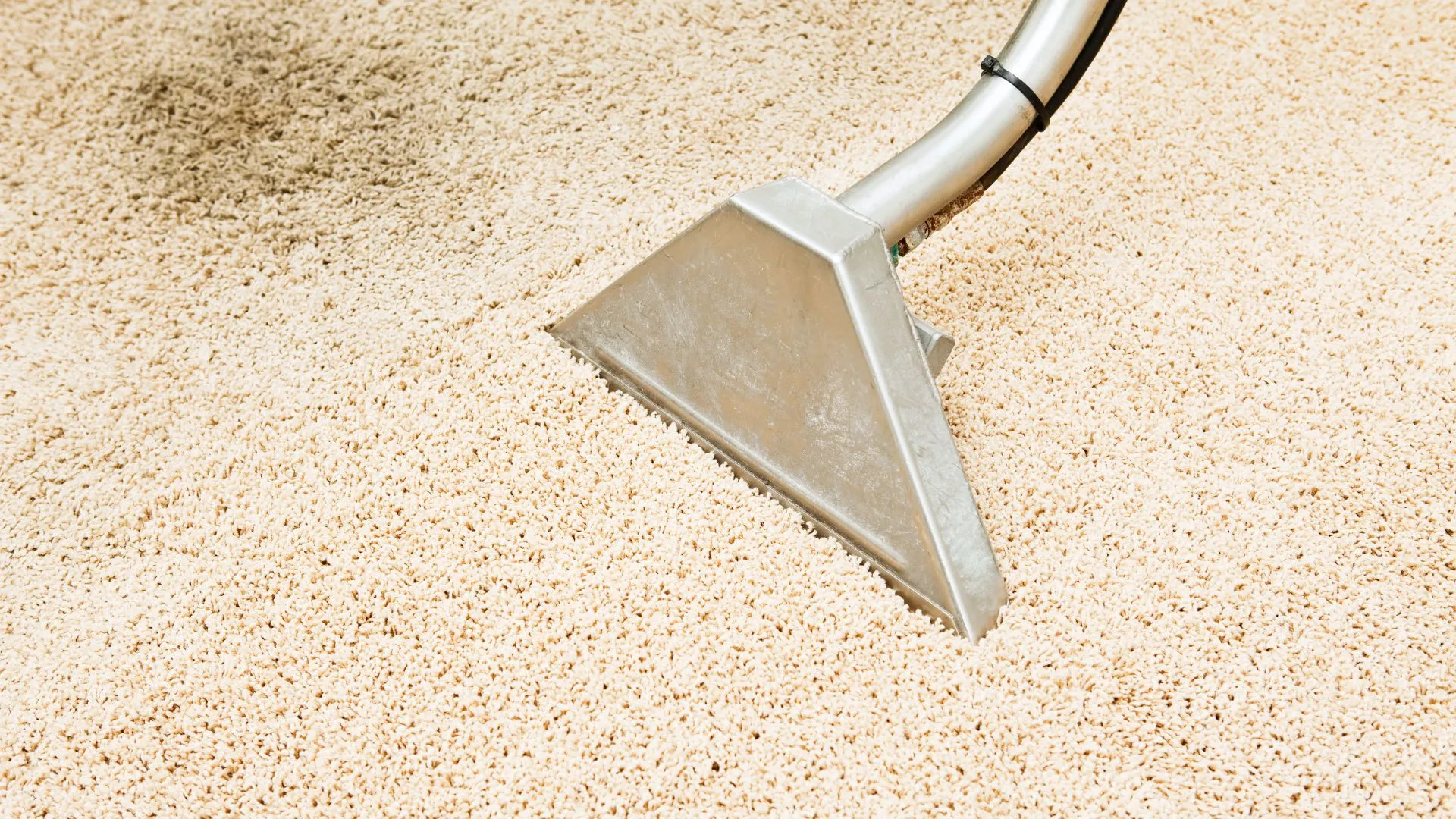
For most residential water damage in Houston, the actual water extraction phase takes between one and four hours. That number surprises a lot of homeowners, who either expect the whole ordeal to be over in an afternoon or brace for a week of chaos.
The truth sits in between. Extraction itself is fast, but it is only the first phase of restoration, and the speed at which it begins has a direct effect on how much damage you end up with. This guide breaks down realistic timelines, the factors that stretch or shorten them, and what happens after the water is gone.
Why Water Extraction Time Matters
When a pipe bursts, a water heater fails, or a Gulf storm pushes water into your home, you are in an emergency situation where every hour changes the outcome. The water doesn’t sit still. It wicks into drywall, soaks into subfloors, and travels into wall cavities you can’t see, and all of that happens within the first day.
Homeowners consistently underestimate drying timelines because they confuse two very different things: removing the water and actually drying the structure. Pumping out standing water is quick. Returning saturated framing, insulation, and flooring to a safe moisture level takes days, sometimes longer in our humidity.
Speed is the single biggest lever you control. The faster extraction begins, the less water has a chance to absorb into porous materials, the lower your mold risk, and the smaller your repair bill. Delay works in the opposite direction, turning a contained problem into a structural one. That is why understanding the timeline, and acting on it, matters so much.
What Is Emergency Water Extraction?
Water extraction is the rapid removal of standing and absorbed water from your property using pumps and specialized vacuums. It is the emergency response step that stops the water from spreading and sets up everything that follows.
It is important to separate extraction from the full drying process. Extraction pulls out the bulk water you can see and the water held in carpets and on hard surfaces. Drying, which comes afterward, removes the moisture that has soaked deep into building materials and the moisture in the air, using dehumidifiers and air movers. Extraction is measured in hours; drying is measured in days.
Think of extraction as the first phase of a longer water damage restoration in Houston process. Getting the water out fast is critical, but it does not mean your home is dry or restored. It means the clock on further damage has finally stopped ticking.
Average Time Emergency Water Extraction Takes
For most residential cases, the extraction phase runs about one to four hours once the team is on site and working. A single failed appliance or a contained leak in one room sits at the short end of that range. Widespread flooding across several rooms sits at the long end.
The scale of the event drives everything. Small water damage, like an overflowed tub or a supply line leak caught early, can be extracted in an hour or two. Large-scale damage, where several inches of water cover multiple rooms, naturally takes longer because there is simply more water to move and more area to cover.
Commercial properties and severe flooding scenarios fall into a different tier altogether. A flooded warehouse, a multi-unit building, or a home that took on significant storm water can require a full day or more of extraction, often with multiple crews and truck-mounted systems running at once.
The most important point to hold onto: extraction time is not the same as total restoration time. You might have the water out in three hours and still need several days of structural drying before the job is truly finished. When people ask how long water damage “takes,” they are usually picturing extraction, but the full recovery is a multi-day process.
Key Factors That Affect Water Extraction Time
No two water losses are identical. These six factors explain why one job wraps up in ninety minutes and another runs all day.
1. Amount of Water Present
The volume of water is the most obvious variable. A minor leak that left a damp patch is a quick job. Active flooding with standing water across the floor is not.
Depth matters as much as area. A thin film of water across a room extracts far faster than several inches of standing water, which has to be pumped before vacuums can finish the job.
2. Size of the Affected Area
A single affected room is straightforward and fast. When water has spread through a whole home, the team has more square footage to extract and more saturated material to address.
Multi-floor spread adds real time. Water that has traveled from an upstairs source down into ceilings and lower-level walls creates several work zones at once, each needing its own extraction and moisture checks.
3. Type of Water Involved
Clean water from a supply line is the fastest to handle. Gray water from appliances and overflows contains contaminants, and black water from sewage backups is grossly unsanitary and hazardous.
Contaminated water slows the process because safety comes first. Technicians have to work in protective equipment, contain the affected area, and follow sanitization protocols. Our sewage backup cleanup in Houston handles these Category 3 situations precisely because they cannot be rushed or handled with household tools.
4. Materials Affected
Different materials hold water very differently. Carpet and its padding act like sponges, hardwood absorbs and warps, drywall wicks moisture upward, and insulation traps it deep inside wall cavities.
The more absorbent the materials involved, the more extraction and drying they demand. Non-porous tile releases water quickly, while saturated carpet padding and insulation often have to be removed entirely before drying can succeed.
5. Response Time
How fast you call is one of the few factors you fully control, and it has an outsized effect. An immediate response means less water has soaked in, so there is less to extract and less to dry.
Delayed extraction increases the workload. Every hour the water sits, more of it migrates into porous materials and farther across the structure, which lengthens both the extraction and the drying that follows. A loss addressed in the first hour is a smaller job than the same loss addressed the next morning.
6. Equipment Used
Equipment is the difference between hours and days. Industrial submersible pumps and truck-mounted extraction units move enormous volumes of water quickly, while a household shop vac can only nibble at the edges of a real water loss.
Professional-grade tools also reach what consumer equipment can’t. Weighted extraction wands pull water from deep within carpet padding, and high-capacity systems keep working at a pace that gets your property to the drying stage far sooner.
Step-by-Step Breakdown of Emergency Water Extraction Timeline
Here is how a typical emergency extraction unfolds once the team arrives:
- Initial inspection and assessment. Technicians identify the water source, classify the water type, and use moisture meters and thermal imaging to map how far the water has traveled, including behind walls and under flooring.
- Water removal using pumps and vacuums. Standing water is pumped out first with industrial pumps, then surfaces are cleared with high-powered extraction vacuums.
- Bulk moisture extraction from carpets and floors. Weighted extraction tools pull water from carpet, padding, and hard flooring, removing as much moisture as possible before drying begins.
- Moisture detection checks after extraction. The team re-scans the area with meters to find any remaining wet pockets and confirm where drying equipment needs to be focused.
- Transition to the drying phase. Once the bulk water is out, the job moves from extraction to structural drying, with dehumidifiers and air movers set in place.
What Happens After Water Extraction Is Completed?
Extraction is the start, not the finish. Once the standing water is gone, several days of focused work bring your property back to a safe, dry condition.
- Dehumidification. LGR (low-grain refrigerant) dehumidifiers pull moisture out of the air, which is essential in Houston, where high ambient humidity prevents materials from drying on their own.
- Air movement and structural drying. High-velocity air movers are positioned to draw moisture out of walls, subfloors, and framing until they reach a verified dry standard.
- Mold prevention treatments. Antimicrobial treatments are applied to discourage mold growth on materials that were wet, which matters because spores can activate within 24 to 48 hours.
- Repairs and restoration. With the structure dry, the work shifts to repairing and rebuilding damaged drywall, flooring, and finishes so your property returns to its pre-loss condition.
Signs Water Extraction Was Not Done Properly
Incomplete extraction leaves problems behind that surface days or weeks later. Watch for these red flags:
- Persistent dampness or musty odors that linger after the visible water is gone, which point to moisture still trapped in materials.
- Warped floors or bubbling paint, both signs that moisture remains in the subfloor or wall assembly.
- Mold growth after cleanup, a clear indicator that materials never reached a safe dry level.
- High moisture readings inside walls, detectable with a meter even when surfaces feel dry to the touch.
If you notice any of these after a previous cleanup, the area likely never reached a true dry standard and needs a professional reassessment.
Why Professional Extraction Is Faster and More Effective
There is a reason professional crews finish in hours what would take a homeowner days, if it could be done at all.
Industrial equipment is the first advantage. Truck-mounted extractors and submersible pumps move water at a volume no consumer tool can match. Trained moisture detection is the second: technicians use thermal imaging and moisture meters to find hidden water and prove when materials are actually dry, rather than guessing.
Speed of containment is the third. A professional team stops the spread quickly and dries the structure before mold can establish, which directly reduces long-term repair costs. Every hour saved on the front end is damage prevented on the back end, and that is where the real savings come from.
How to Speed Up Emergency Water Extraction at Home
While you wait for the team to arrive, a few safe actions can shorten the overall timeline:
- Shut off the water source immediately if it is safe to do so, by closing the main valve or the supply line to the failed fixture.
- Move small items and furniture out of the affected area if you can do it safely, which protects your belongings and gives the crew clear access.
- Call professionals right away. The sooner extraction begins, the less water soaks in. Predator Restoration offers 24/7 emergency response at 832-937-4620.
- Avoid delaying cleanup decisions. Waiting to “see if it dries on its own” is the most expensive choice you can make, because the damage only grows.
Do not enter rooms where water has reached outlets or wiring, and stay away from any water that may be contaminated.
Final Thoughts: Speed Is Critical in Water Damage Recovery
To set expectations clearly: extraction usually takes one to four hours for a typical home, larger and commercial losses can take a day or more, and full structural drying adds several days on top of that. The water comes out fast, but the property is not truly recovered until the moisture behind your surfaces is gone.
Immediate action is what keeps the timeline, and the cost, under control. The faster extraction starts, the less water absorbs into your home and the lower your risk of mold and structural damage. Delay does the reverse, quietly expanding the scope of the work with every passing hour.
If you are dealing with water damage right now, the smartest move is to start extraction as soon as possible. Predator Restoration is an IICRC-certified, locally owned company serving Houston and the surrounding Harris County communities, from the Heights and Cypress to Klein, Willowbrook, and Jersey Village. Our 24/7 emergency team responds fast with industrial extraction and drying equipment and restores your property completely. When water damage strikes, contact us or call 281-916-3694 right away.
FAQs About Emergency Water Extraction
How quickly should water extraction start after a leak?
Extraction should begin as soon as possible, ideally within the first few hours of discovering the water. Mold can start growing within 24 to 48 hours, and porous materials absorb more water the longer it sits, so an early start directly reduces both the extraction workload and the total damage. A 24/7 emergency team is valuable precisely because water losses don’t wait for business hours.
Can water extraction be done in a few hours?
Yes. For most residential cases, the extraction phase takes about one to four hours once the crew is on site. Smaller, contained losses sit at the short end of that range, while widespread flooding or commercial properties can take a full day or more. Keep in mind that extraction is only the first phase, and structural drying afterward adds several days.
Does extraction remove all moisture?
No. Extraction removes standing water and the bulk moisture held in carpets and on surfaces, but it does not remove the moisture absorbed deep into drywall, framing, and subfloors. That remaining moisture is handled in the drying phase with dehumidifiers and air movers, and the job is not finished until materials reach a verified dry standard confirmed by moisture meters.
What slows down water extraction the most?
The biggest factors are the volume of water, the size of the affected area, and the type of water involved. Contaminated gray or black water slows things considerably because safety protocols and protective equipment are required. Delayed response also adds time, since water that has been sitting has soaked into more materials and spread farther through the structure.
Is water extraction covered by insurance?
In most cases, sudden and accidental water damage, such as a burst pipe or storm intrusion, is covered, including the emergency extraction and mitigation work. Coverage can be reduced or denied if the damage is judged to result from a lack of maintenance or was made worse by delayed or improper cleanup. Document everything with photos and video, act quickly, and review your specific policy with your insurer.