
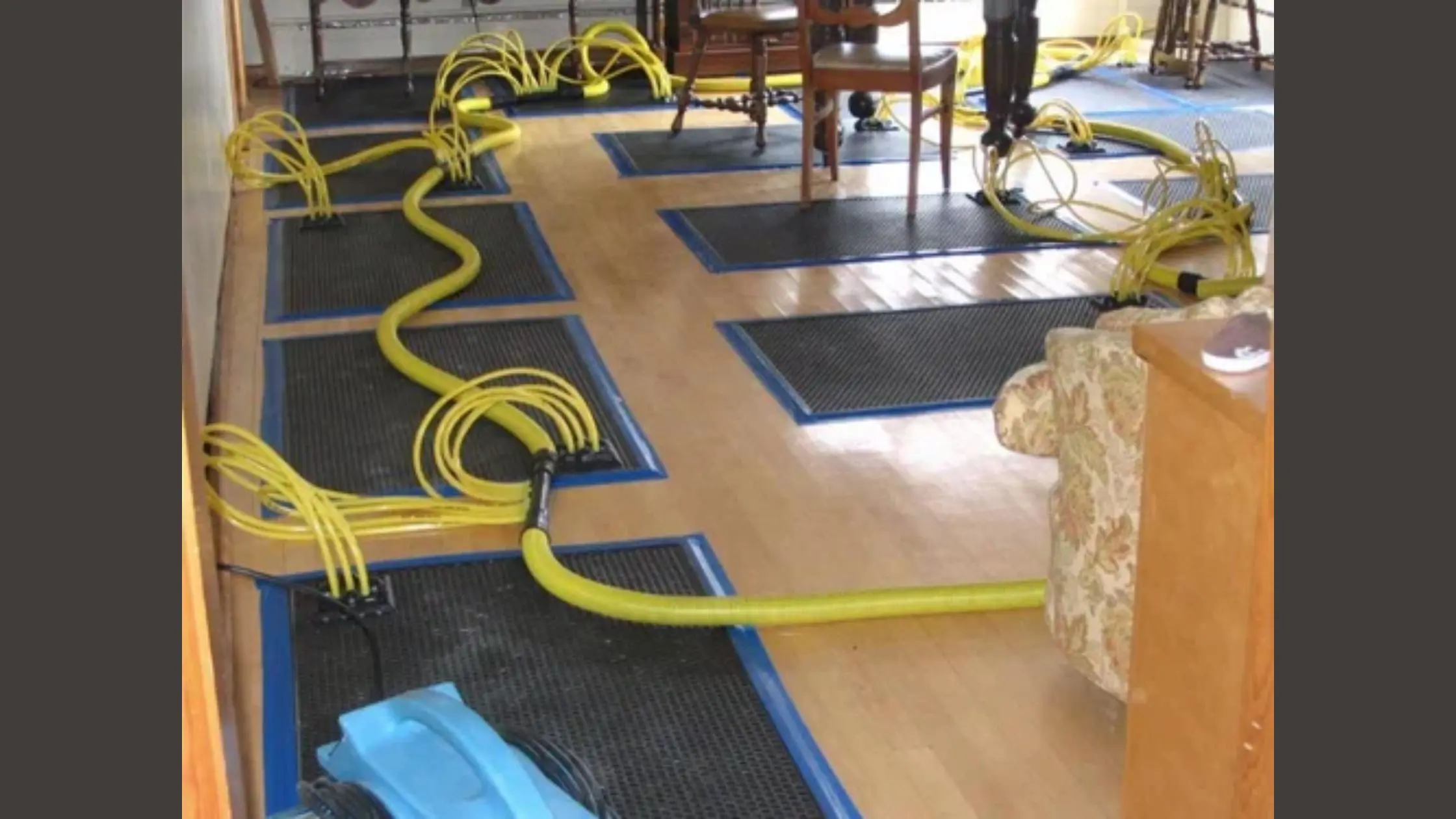
When your home or business faces flooding from a burst pipe in River Oaks or a storm surge near Buffalo Bayou, finding a reliable water damage restoration company in Houston becomes your most urgent priority. Water damage waits for no one, and the humidity in Southeast Texas can trigger mold growth in as little as 24 hours. You need a partner who understands the local climate, the specific construction styles of Harris County homes, and the urgency of preventing secondary structural issues. By focusing on rapid response times, industry certifications, and local reputation, you can protect your property and ensure a safe, professional cleanup process that restores your peace of mind.
What should I look for in a water damage restoration company?
To find the best water damage restoration company in Houston, you must prioritize IICRC certification, 24/7 availability, and comprehensive insurance coverage. A qualified company should provide a detailed assessment using thermal imaging and moisture meters to find hidden water behind drywall or under floorboards. Because Houston experiences high humidity year-round, the company must have high-grade dehumidification equipment and air movers specifically designed for large-scale moisture extraction.
The selection process involves verifying that the team is not just a general contractor, but a specialized restoration firm. General contractors often lack the specialized drying equipment and moisture-tracking tools necessary to prevent mold in the Texas Heat. Look for a provider that offers a clear, written plan of action and works directly with major insurance carriers to streamline the claims process for local homeowners.
How do I verify a water damage restoration company in Houston?
Verifying a water damage restoration company in Houston requires checking their local physical address, their standing with the Better Business Bureau, and their specific experience with Houston’s unique flood zones. You should ask for proof of General Liability and Pollution (Mold) Insurance, as standard policies often exclude mold coverage. If a company cannot produce these documents immediately, they are not equipped to handle the complexities of a major restoration project in the Greater Houston area.
Experience in specific neighborhoods matters because the infrastructure and common building issues vary between the historic bungalows in The Heights and the newer builds in Cypress or Katy. A local expert will know how the soil composition and drainage patterns in these areas affect residential foundations during a water event. Always verify their licensing through the Texas Department of Licensing and Regulation if they are also performing mold remediation or other regulated tasks.
Checking Industry Certifications
The most important credential is the IICRC (Institute of Inspection, Cleaning and Restoration Certification). This non-profit organization sets the global standards for the inspection, cleaning, and restoration industries.
- WRT (Water Damage Restoration Technician): This is the baseline certification for any technician entering your home.
- ASD (Applied Structural Drying): This advanced certification ensures the team knows how to dry the structure effectively without unnecessary demolition.
- AMRT (Applied Microbial Remediation Technician): Essential if water has sat for more than 48 hours, as mold is likely present.
What is the typical process for water damage restoration?
The restoration process follows a strict sequence: emergency contact, inspection and assessment, water removal, drying and dehumidification, cleaning and sanitizing, and finally, restoration. In Houston, the drying phase is often the most critical due to the ambient moisture levels. Professionals use industrial-grade LGR (Low Grain Refrigerant) dehumidifiers that can pull moisture out of the air even when the humidity is extremely high.
| Phase | Description | Key Equipment Used |
| Assessment | Identifying the source and category of water | Thermal Cameras, Moisture Probes |
| Extraction | Removing standing water from floors and carpets | Submersible Pumps, Truck-mounted Vacuums |
| Drying | Evaporating moisture trapped in structural materials | Axial Air Movers, LGR Dehumidifiers |
| Monitoring | Daily checks to ensure drying goals are met | Penetrating & Non-penetrating Meters |
| Sanitization | Killing bacteria and preventing fungal growth | Antimicrobial Treatments, HEPA Vacuums |
If you have specific questions about the timeline for your property, you can contact us today to speak with a specialist who understands the local landscape and the unique needs of Harris County residents. Understanding these phases helps you monitor the progress and ensures that the company is not cutting corners that could lead to structural rot or “sick building syndrome” later on.
Why is local Houston experience important for water restoration?
Houston’s geography and climate create specific challenges that national franchises might overlook. From the heavy clay soils that affect drainage to the intense humidity that hinders natural evaporation, local conditions dictate the restoration strategy. A company familiar with the Energy Corridor or the Westchase District will understand the commercial building codes and residential expectations of those specific areas.
Furthermore, local companies have established relationships with Houston-based insurance adjusters. They understand the local pricing for labor and materials in Harris County, which ensures your insurance estimate is accurate and fair. Whether you are dealing with a leak in a high-rise near the Galleria or a flooded basement in a Memorial-area estate, local knowledge ensures the right equipment is deployed for the specific architecture of the building.
Navigating Houston’s Neighborhood-Specific Challenges
Each part of the city presents unique logistical and environmental hurdles during a water emergency.
- The Heights & Montrose: Historic homes often have pier-and-beam foundations. Water can trap in crawlspaces, requiring specialized ventilation and moisture barriers.
- Medical Center & Downtown: High-density areas require complex logistics for equipment staging and noise ordinances during 24-hour drying cycles.
- Sugar Land & Pearland: Subdivisions in these areas often have specific HOA requirements regarding the visibility of restoration equipment and debris containers.
How much does water damage restoration cost in Houston?
The cost of water damage restoration in Houston typically ranges from $1,500 to $5,000 for standard residential leaks, though major flooding events can exceed $10,000. Factors influencing the price include the category of water (clean, gray, or black), the square footage affected, and how long the water has been standing. Black water restoration, which involves sewage or rising floodwaters from the street, is the most expensive because it requires specialized hazardous waste disposal and intensive sanitization.
To get an accurate estimate for your home or business, it is best to have a professional perform an on-site moisture mapping session. Most reputable companies use Xactimate, the industry-standard software used by insurance companies, to ensure that the pricing is transparent and aligns with what your policy will cover. Avoid companies that offer “flat rates” over the phone, as it is impossible to determine the extent of internal wall damage without physical inspection.
Can I handle water damage cleanup myself?
While you can mop up a small spill from a leaking refrigerator, professional intervention is necessary for any leak that saturates flooring, baseboards, or drywall. Water wicks upward into porous materials, and without professional-grade extraction, that moisture stays trapped. In the Houston climate, this trapped moisture leads to wood rot and black mold within a matter of days.
If you attempt a DIY cleanup, you likely lack the tools to measure “dryness.” A surface might feel dry to the touch, but a moisture meter might reveal that the studs behind the wall are still at 30% moisture content. Professional restoration experts use science-based drying logs to prove the structure has reached its “dry goal,” which is essential for maintaining your property’s value and ensuring your insurance claim is not denied due to “owner neglect.”
What are the signs of hidden water damage?
Homeowners near the Houston Ship Channel or in the Bay Area often deal with high humidity that can mask the signs of a slow leak. You should look for peeling paint, warped baseboards, or a persistent musty odor that does not go away with cleaning. Discoloration on ceilings, often appearing as yellow or brown rings, is a definitive sign of an active or recent leak from the roof or upstairs plumbing.
Another sign is a sudden, unexplained increase in your City of Houston water bill. If your usage has spiked but your habits have not changed, you likely have a slab leak or a pipe leaking within your walls. Professional restoration companies use non-invasive acoustic equipment and thermal imaging to pinpoint these leaks without tearing a hole in your drywall. Identifying these issues early is the key to minimizing the total cost of a water damage restoration company in Houston.
Common Sources of Indoor Water Damage
- Appliance Failures: Dishwasher leaks and washing machine hose bursts are among the most common causes of kitchen and laundry room flooding.
- AC Condensate Lines: In the Texas summer, AC units work overtime. If the drain line clogs, the overflow can flood your attic and drip through the ceiling.
- Water Heater Bursts: Many Houston homes have water heaters in the attic or garage. When these fail, they can release 40 to 80 gallons of water instantly.
How long does it take to dry out a house after a leak?
In most cases, the professional drying process takes between three and five days. This timeframe is necessary to move moisture from the center of structural materials into the air, where it can be captured by dehumidifiers. If a company claims they can dry your home in 24 hours, they are likely ignoring the deep-seated moisture that causes long-term structural failure.
The duration depends heavily on the “Class” of water damage. Class 1 involves minimal moisture absorption, while Class 4 involves “specialty drying” situations where water has saturated low-porosity materials like hardwood, stone, or brick. Because of the outdoor humidity in Houston, the “closed drying system” approach is mandatory, meaning windows and doors must remain shut while industrial machines create a controlled environment inside the home.
Dealing with Insurance After Water Damage
One of the biggest benefits of hiring a professional water damage restoration company in Houston is their ability to document the loss for your insurance provider. This documentation includes photos of the source, moisture maps, drying logs, and a detailed inventory of damaged personal property. Without this proof, getting a full payout for your claim can be difficult.
You have the right to choose your own restoration contractor. While your insurance company might “suggest” a preferred vendor, you are not legally obligated to use them. It is often better to hire an independent local expert who works for you, not the insurance company. They will ensure that the scope of work covers everything needed to return your home to its pre-loss condition, rather than just the bare minimum.
Important Insurance Terms to Know
- Deductible: The amount you pay out of pocket before insurance kicks in.
- Replacement Cost Value (RCV): The cost to replace items with new ones of similar quality.
- Actual Cash Value (ACV): The value of items minus depreciation.
- Mitigation: The steps taken to prevent further damage (insurance usually requires this immediately).
FAQs About Water Damage in Houston
Is mold coverage included in my water damage claim?
In Texas, many standard homeowners’ insurance policies have a “mold cap,” often limited to $5,000 or $10,000. This is why immediate water extraction is so important. By hiring a certified water damage restoration company in Houston immediately, you can prevent mold from ever forming, staying well within your policy limits.
How soon should I call a restoration company?
You should call within the first hour of discovering the damage. The “golden window” for restoration is the first 24 hours. After this point, the risk of permanent structural damage and biohazard growth increases exponentially.
Will my hardwood floors need to be replaced?
Not necessarily. If caught early, professionals can use “floor mats” and high-pressure vacuum systems to pull moisture out of the wood grains. This specialized process can often save expensive oak or walnut flooring from crowning or buckling.
Does water damage always smell?
Not immediately. The “musty” smell associated with water damage is actually the byproduct of microbial growth. If you smell something earthy or pungent, it means the water has been present for at least 24 to 48 hours, and mold spores are likely active.
What is the difference between flood water and a pipe burst?
Insurance treats these differently. A pipe burst is typically covered under standard homeowners’ insurance. However, “flood water” (water rising from the ground) usually requires a separate policy through the National Flood Insurance Program (NFIP) or a private flood insurer.
Conclusion
Choosing the right partner during a property crisis is the difference between a smooth recovery and a long-term headache. You need a team that combines technical expertise with a deep understanding of the local Houston environment. From the initial extraction to the final sanitization, every step must be handled with precision and care for your family’s safety.
Predator Restoration stands as a trusted local service provider, offering the certified restoration experts in Houston you need to navigate the complexities of water damage. Whether you are in Bellaire, Kingwood, or downtown, we provide a reliable solution to the problems discussed, ensuring your home is dry, safe, and fully restored. A professional water damage restoration company in Houston is your best defense against the unique climate challenges of our city, providing the expertise required to protect your most valuable investment.