

Introduction to Hidden Water Damage
Hidden water damage is a silent threat lurking in many Houston homes, often going unnoticed until it causes major problems. Hidden water damage refers to moisture intrusion that occurs out of sight, such as behind walls, under floors, or within ceilings, often only detectable through subtle warning signs. Thanks to the city’s high humidity and expansive clay soil, even minor leaks or slow leaks can quickly escalate into significant structural damage, mold growth, and expensive repairs. Unlike obvious water intrusion, hidden water damage often starts with subtle early warning signs—like musty odors, ceiling stains, or sudden spikes in your water bill. These clues are easy to overlook, but they signal that moisture may be trapped behind walls or under floors, quietly undermining your home’s integrity. For Houston homeowners, understanding these early warning signs and acting quickly is essential to prevent water damage from turning into a costly disaster. By staying alert to changes in your home and addressing minor leaks promptly, you can protect your property from the long-term effects of hidden water damage and avoid the headaches of structural damage and mold growth.
Key Takeaways
In Houston’s humid, flood-prone climate, the biggest water damage threats are often the ones you can’t see. Moisture hides behind walls, under slab foundations, and in ceilings—silently causing structural damage and mold growth long before obvious signs appear on the surface.
Common Houston sources of hidden water damage include clogged AC condensate lines, slab leaks in expansive clay soil, storm-driven roof leaks, and slow plumbing failures in older properties throughout North Houston, Cypress, and Kingwood. These problems develop quietly, sometimes for weeks or months.
If you notice any of these warning signs, call Predator Restoration 24/7 at (832) 937-4620 for an on-site inspection anywhere in Greater Houston.
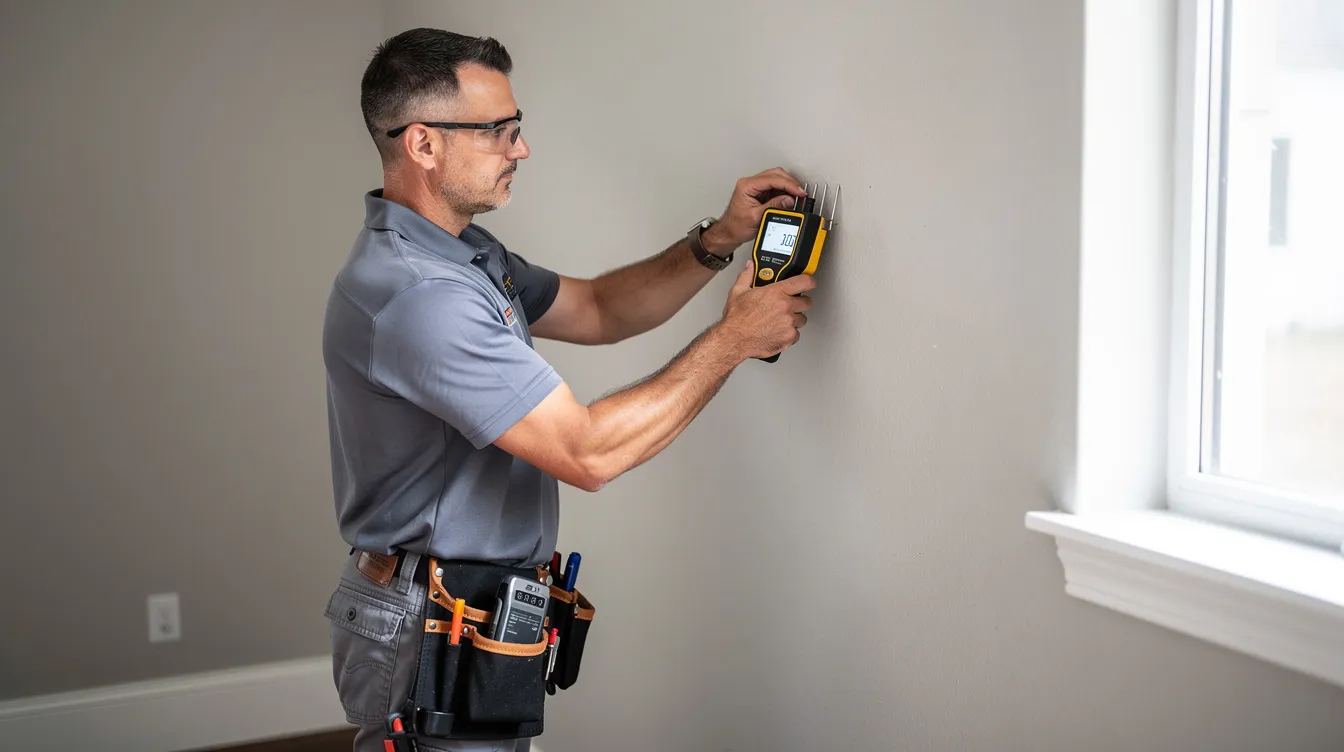
Predator Restoration’s technicians physically come to your property with moisture meters and thermal imaging cameras to find trapped moisture you can’t see—and stop mold and structural damage before it spreads. Their use of these advanced tools helps uncover hidden problems that are not visible to the naked eye during a standard inspection. The rest of this article walks through specific signs of hidden water damage, Houston-specific risks, and exactly when to bring in professionals.
Why Hidden Water Damage Is a Big Problem in Houston
Houston’s Gulf moisture, frequent heavy rain events, tropical storms, and high humidity year-round create the perfect environment for hidden water damage. Unlike drier regions, moisture here doesn’t evaporate quickly—it lingers in wall cavities, under flooring, and inside ceiling assemblies. In Houston, moisture can evaporate slowly, making early detection critical to prevent rapid mold growth in as little as 24–48 hours.
Slab Leaks and Foundation Risks
Slab-on-grade foundations, standard in areas like Willowbrook, Jersey Village, and North Houston, hide plumbing leaks beneath concrete. Water escaping from plumbing lines can migrate 20-30 feet laterally under slabs, eroding clay soil and causing foundation cracks before any visible damage appears. Subtle wet spots, such as cool floors or damp odors, can be early indicators of hidden leaks before visible wet spots or damage show up. The shifting soils common throughout Greater Houston amplify this problem.
Air conditioning systems running 8-10 months annually produce 20-30 gallons of condensate daily per unit. When drain lines clog with algae or mineral buildup, water intrusion can saturate attic insulation or closet walls for weeks. Because Houston homes stay closed up with AC running, musty odors and mold growth build behind walls long before staining shows. Mold and microbial issues can begin quickly after water exposure, so early detection is essential to prevent further damage.
If you suspect hidden water in your walls, ceiling, or slab, don’t wait—call Predator Restoration at (832) 937-4620 for a rapid inspection anywhere in Houston, Cypress, Kingwood, Klein, and surrounding communities.
Persistent Musty or Damp Odors in Certain Rooms
In Houston’s humid climate, a lingering musty smell—that “old wet towel” or earthy odor—often means moisture is trapped where you can’t see it. These odors frequently intensify after heavy rain, especially in rooms over slab foundations or near exterior walls.
Typical problem locations include:
- Closets along exterior walls
- Laundry rooms with dryer vent issues
- Spaces near AC air handlers or water heaters
- Bathrooms with hidden shower pan leaks
Mold growth can begin within 24-48 hours on damp drywall or framing at temperatures above 70°F—typical for Houston. Odors often appear before any visible staining, making them early warning signs many homeowners dismiss.
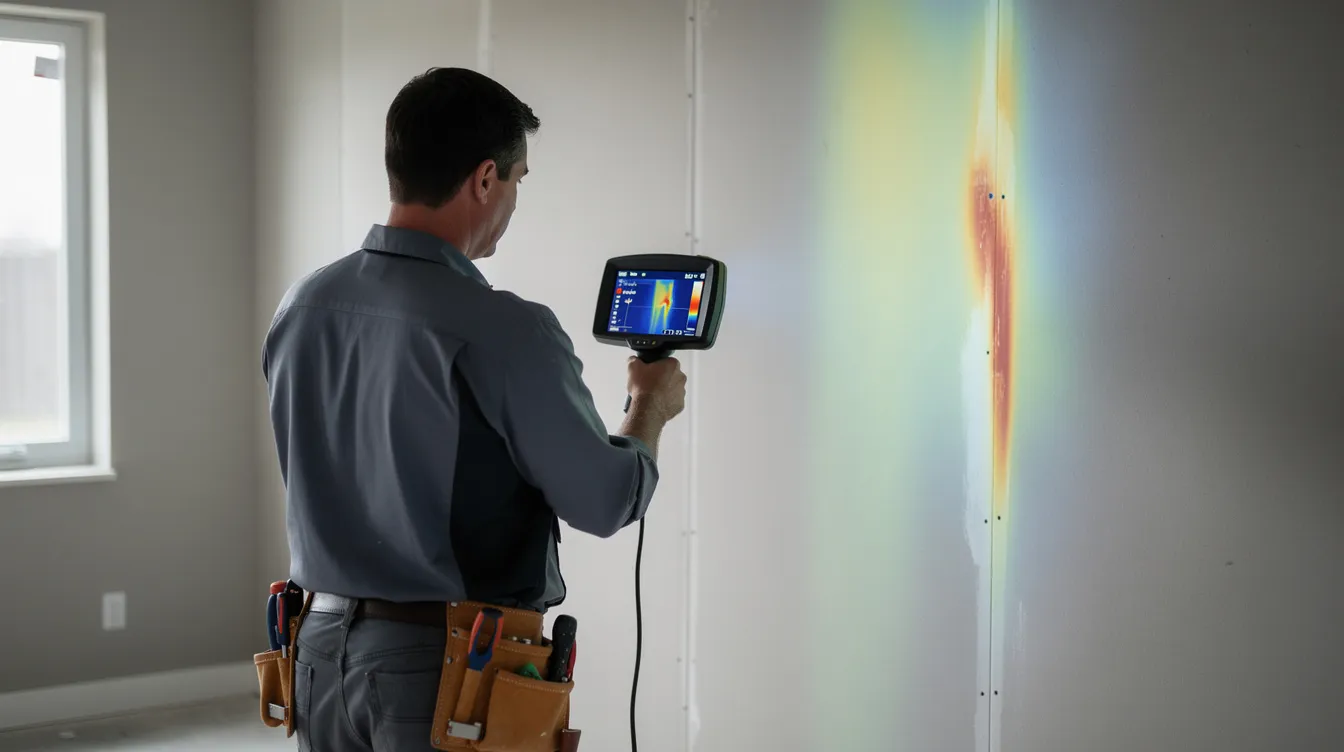
Predator Restoration uses professional moisture meters and thermal imaging to track these smells back to actual wet building materials, not just mask the odor.
If a room in your Houston home or office always smells damp, schedule an on-site moisture investigation with Predator Restoration at (832) 937-4620 or message us online for fast help.
Unexplained Stains, Discoloration, and Paint Problems
Hidden leaks often reveal themselves as yellow, brown, or darker patches on ceilings and walls—especially after Houston’s intense thunderstorms. These ceiling stains may appear suddenly, fade as materials dry, then return after the next rain event.
Common examples of moisture damage indicators:
- Ceiling stains below second-floor bathrooms or around recessed lights
- Roof leaks showing as discoloration near valleys and flashing
- Wall streaks below window sills or along baseboards
- Bubbling, peeling, or blistering paint in bathrooms and kitchens
- Separating caulk around tubs and sinks
- Sagging drywall that appears swollen, warped, or crumbling
Irregular yellowish, brown, or copper-colored stains on walls may indicate persistent leaks behind drywall.
In Houston’s weather patterns, repeated wet-dry cycles from minor leaks cause stains that signal ongoing problems inside the structure. Paint blistering and caulk separation rarely happen without moisture softening the drywall underneath. Bubbling, peeling, or cracking paint and wallpaper are serious warnings that moisture is breaking the bond of these materials, indicating hidden water damage.
Predator Restoration’s technicians physically probe soft spots in drywall, pull baseboards when needed, and open small inspection areas to confirm the full extent of damage—not just paint over stained areas. Soft or spongy drywall that sinks when pressed is a major indicator of water damage.
Warped, Soft, or Buckling Floors and Baseboards
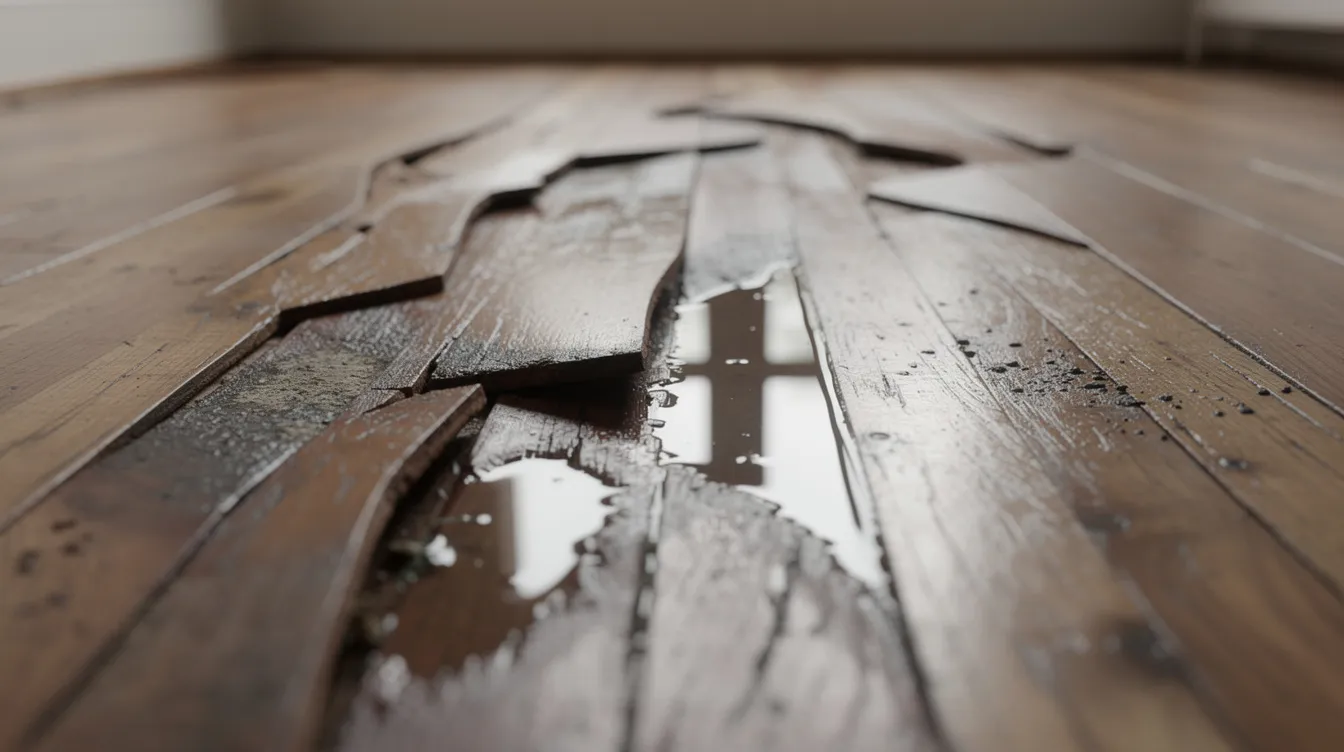
Warped wooden floors, cupped laminate, loose tiles, or suddenly soft spots in hallways are strong red flags for water trapped under your flooring. Many houston homeowners notice these changes after storms but assume floors will dry on their own.
Watch for these specific scenarios:
- Buckling wood near exterior doors after flooding
- Spongy spots in hallways over a slab leak
- Swollen baseboards in Cypress and Jersey Village homes after heavy rain
- Cracked tile over shifting wet concrete foundations
Normal moisture content in hardwood flooring runs 6-9%. When a hidden leak pushes moisture readings above acceptable ranges, boards swell and detach from the subfloor. Ignoring floor changes leads to structural rot, attracts termites, and creates unsafe walking surfaces—turning small leaks into expensive repairs.
Predator Restoration uses non-invasive meters to test moisture under wood, laminate, and tile, removing only affected areas to access and dry the structure properly.
Foundation and Structural Issues
Houston’s expansive clay soil poses a unique challenge when it comes to hidden water damage. When water seeps into the ground around your home, the clay soil can swell and shift, putting immense pressure on your foundation. Over time, this movement can cause foundation cracks, uneven floors, and even structural damage to walls and ceilings.
Warning Signs of Foundation Movement
New cracks appearing in your walls or floors are often early signs of foundation movement caused by hidden water damage. Ignoring these warning signs can lead to further damage, compromising the safety and stability of your home. Regularly inspecting your property for new cracks, sticking doors or windows, and other changes in your home’s structure is crucial for Houston homeowners. Addressing foundation issues promptly not only protects your investment but also prevents more extensive repairs down the line.
Rust, Corrosion, and Condensation on Metal Components
In well-ventilated, dry interior spaces, you shouldn’t see rust on indoor metal surfaces. In Houston, visible rust inside your home often signals a moisture problem developing behind walls or in high humidity areas.
Key inspection points include:
- Rust on supply lines under sinks
- Corroded shutoff valves
- Rust streaks on AC air handler cabinets in attics
- Rusty nail heads showing through drywall or crown molding
Indoor humidity consistently above 60%—common in poorly sealed or previously flooded Houston homes—condenses on cool metal and starts corrosion. This early indicator often appears before more obvious signs of water damage.
Predator Restoration checks for both visible rust and elevated humidity, then uses dehumidifiers and targeted drying to correct the underlying moisture source.
Health Symptoms and Indoor Air Changes You Can’t Explain
Hidden water damage frequently shows up as health or comfort changes before visible damage appears—especially in Houston’s mold-friendly climate.
Typical complaints linked to hidden moisture include:
- Increased sneezing or coughing in certain rooms
- Musty or “heavy” air that doesn’t improve with cleaning
- Recurring headaches at home but not at work
- Asthma symptoms worsening in one area of the house
Mold colonies behind walls, under carpets, or in crawl spaces release spores and VOCs that aggravate allergies and respiratory conditions. Studies link 20-30% of Houston asthma cases to indoor dampness.
If your symptoms improve when you leave home but return when you’re inside, contact Predator Restoration at (832) 937-4620 or message us online to check for hidden moisture and mold.
Water Bills, Humidity Levels, and Utility Clues
Hidden leaks often show up in utility data before they appear on your walls. A slab leak wasting just 1/10 gallon per minute adds $100+ to monthly bills—without any standing water visible.
Table: Key Indicators of Hidden Water Damage
| Indicator | Normal Range | Warning Level |
|---|---|---|
| Monthly water usage | 5,000-7,000 gallons | 10-20% unexplained increase |
| Indoor humidity | 40-55% RH | Above 60% consistently |
| Water meter | Steady when off | Movement with all fixtures off |
Use Houston Water’s online portal or a smart water meter to track your water bill patterns. Inexpensive hygrometers can monitor indoor humidity in problem rooms. Sudden spikes in either metric warrant professional leak detection.
Plumbing Systems and Maintenance
Your home’s plumbing systems are one of the most common sources of hidden water damage, especially in Houston where high humidity and aging infrastructure can make minor leaks easy to miss. Slow leaks in plumbing lines, whether under sinks, behind walls, or around water heaters, can go undetected for months, gradually causing water damage and even mold growth.
Water Pressure and Leak Detection
Monitoring your water pressure is important—too much pressure can stress pipes and lead to burst pipes, while too little may indicate a hidden leak. Houston homeowners should make it a habit to check for signs of corrosion, dampness, or water stains around plumbing fixtures and water heaters. Scheduling annual inspections with a licensed plumber can help catch minor leaks before they become major problems, ensuring your plumbing systems remain in good condition and reducing the risk of hidden water damage.
Why Immediate Action Matters in the Houston Area
Houston’s specific risks—tropical storms, bayou flooding, clay soil foundation movement, and year-round AC seasons—accelerate how fast hidden water damage becomes structural and health emergencies.
Clay soil saturation under slabs in Willowbrook, Klein, and North Houston causes the home’s foundation to lift, crack, and shift. These foundation cracks open new pathways for water and further damage. Soaked drywall and framing start growing mold within 24-48 hours in Houston’s humidity.
The 72-hour rule matters: extraction within this window mitigates 80% of damage. Waiting “to see if it dries” almost always increases costs by 5-10 times as secondary issues develop.
If you see stains, smell mustiness, feel soft floors, or notice high humidity, call Predator Restoration now at (832) 937-4620 for emergency water damage mitigation, or send us a message online for a fast callback.
What to Do When You Spot Signs of Hidden Water Damage
Delaying action after a Houston storm, overflow, or AC leak raises the odds of mold growth, structural issues, and denied insurance claims. Quick response protects both your property and your coverage.
Homeowner steps when you spot warning signs:
- Document visible damage with time-stamped photos.
- Shut off the main line if you suspect an active water leak.
- Listen for faint dripping or hissing sounds at night to help detect hidden leaks.
- Avoid disturbing potentially moldy materials.
- Limit use of affected areas until inspected.
- Contact a professional before attempting DIY tear-outs.
Improper demolition can spread contamination and increase rebuild costs. Predator Restoration coordinates the entire process: on-site inspection, moisture detection, containment, water removal, structural drying, mold remediation, odor removal, and final reconstruction. Our emergency services feature a rapid response time, ensuring our technicians arrive quickly to address urgent situations.
Preventing Hidden Water Damage
Preventing hidden water damage in Houston homes requires a proactive approach. Start by monitoring your water bill for sudden spikes, which can indicate a hidden leak somewhere in your plumbing systems. Regularly inspect your home for signs of water damage, such as ceiling stains, wall discoloration, or musty odors. Investing in leak detection devices can provide early alerts to leaks before they cause significant damage. Don’t forget to check your foundation, roof, and plumbing systems after heavy rain or storms—these are prime times for water intrusion. Good ventilation is also key, especially in moisture-prone areas like bathrooms and kitchens, to help prevent mold growth and trapped moisture. By staying ahead of potential issues and addressing warning signs promptly, Houston homeowners can greatly reduce the risk of hidden water damage and the costly repairs that often follow.
Professional Moisture Inspections and Restoration in Houston
A professional hidden water damage inspection with Predator Restoration includes visual assessment, moisture readings with specialized equipment, thermal imaging to detect temperature differences indicating evaporation, and targeted openings when necessary.
Predator Restoration’s IICRC-trained teams handle everything from small AC leaks in townhomes to large-loss flooding in North Houston commercial buildings. Key services include:
- Water removal and extraction
- Water damage mitigation and structural drying
- Mold removal and remediation
- Odor removal
- Sewage cleanup
- Storm damage restoration
- Fire and smoke damage mitigation
- Full rebuild and reconstruction
Service areas include Houston proper, Willowbrook, Klein, Cypress, Jersey Village, Kingwood, North Houston, and surrounding communities.
For a thorough on-site moisture inspection and complete restoration—not surface-level repairs—call Predator Restoration at (832) 937-4620 or contact us online now.
FAQ: Hidden Water Damage in Houston
How quickly can hidden water damage turn into mold in Houston?
In Houston’s warm, humid climate, mold growth can start forming within 24-48 hours on wet drywall, wood, or insulation. Colonies may become widespread within days if the moisture source isn’t removed. Even small unnoticed leaks behind walls support mold development, making rapid drying critical. Predator Restoration is available 24/7 to start drying and mold prevention immediately.
Can I stay in my home or business while hidden water damage is being addressed?
It depends on the extent, location, and type of contamination. Many Houston projects allow occupants to remain in unaffected areas during drying and repairs. However, extensive mold, structural issues, or sewage backups may require temporary relocation for safety. Predator Restoration’s technicians provide honest recommendations after an on-site assessment.
Will my insurance cover hidden water damage in Houston?
Coverage typically depends on cause and timing. Sudden, accidental water damage from burst pipes, appliance failures, or storm-related roof leaks is often covered. Long-term neglected slow leaks may not be. Notify your insurance carrier immediately when you suspect damage and document everything with photos. Predator Restoration works with Houston-area insurers and helps document damage to support claims.
How can I reduce my risk of hidden water damage?
Schedule regular roof and gutter inspections, service AC systems and condensate lines annually, inspect under sinks and around water heaters, and monitor your water bill and indoor humidity. Check vulnerable areas after every major Houston storm, including attics, ceilings, and exterior doors. Catching early signs and calling for professional moisture checks prevents major problems.
What makes Predator Restoration different from other restoration companies?
Predator Restoration is known for its hands-on, on-site approach. Technicians personally inspect properties, use advanced tools to find hidden damage, and stay involved from initial mitigation through complete rebuild. The focus is thorough restoration—not quick surface fixes—so secondary damage like mold, structural deterioration, and lingering odors are properly addressed. Call (832) 937-4620 or message the team online for immediate help across Greater Houston.
Conclusion
Hidden water damage is a serious concern for Houston homeowners, with the potential to cause mold growth, ceiling stains, structural damage, and expensive repairs if left unchecked. Recognizing early warning signs—such as musty smells, sudden spikes in your water bill, or the appearance of a hidden leak—is crucial for protecting your home. Regular maintenance of plumbing systems, vigilant leak detection, and prompt response to any warning signs can help prevent water damage from escalating. If you suspect hidden water damage or notice any signs of water in your home, don’t wait—contact a licensed Houston plumber for professional leak detection and repair. Taking these steps ensures your home remains safe, secure, and free from the costly consequences of hidden water damage.