
Introduction
If you’re a Houston property owner facing water damage, understanding the differences between water mitigation, restoration, and reconstruction is crucial for protecting your investment and ensuring a smooth recovery. This guide explains each phase, why they matter in Houston’s unique climate, and how to choose the right service for your situation. Whether you’re dealing with a burst pipe, storm flooding, or hidden leaks, knowing what to expect at each stage can help you make informed decisions and minimize long-term damage.
Key Takeaways
This page explains the differences between water mitigation, restoration, and reconstruction for Houston property owners.
- Water mitigation in Houston is a 24/7 emergency service focused on drying, extraction, and sealing to stop further water damage. This phase is crucial for preventing water from spreading, which can lead to additional structural damage, mold growth, and other issues.
- Houston water damage situations require local expertise. Knowledge of Houston’s unique climate, soil behavior, and building codes ensures effective mitigation and restoration tailored to the area’s specific needs.
- Water restoration repairs and cleans affected areas, returning your property to pre loss condition after drying is complete.
- Reconstruction is the full rebuild phase, replacing structural elements and finishes that couldn’t be saved.
- In Houston’s humid climate, mold can begin developing within 24–48 hours on wet porous materials, making immediate response critical.
- Predator Restoration Inc. provides full-service water mitigation, restoration, and reconstruction across Greater Houston, 24/7.
Facing water damage right now? Call (832) 937-4620 or message us online immediately for emergency help.
Water Mitigation vs Restoration vs Reconstruction – What Houston Property Owners Need to Know
Understanding the difference between water mitigation and restoration—and when reconstruction becomes necessary—can save Houston property owners thousands of dollars and weeks of stress.
Definitions:
- Mitigation: Water mitigation is the process of stopping water damage before it gets worse, which includes removing water, drying out the area, and preventing long-term problems like mold.
- Restoration: Restoration repairs the existing damage caused by water, focusing on cleaning, decontaminating, and returning the property to normal use after drying is complete.
- Reconstruction: Reconstruction involves major structural rebuilds such as flooring, drywall, and roofing after significant damage and restoration.
Mitigation occurs first to stop further damage, restoration follows to repair and clean, and reconstruction is needed when structural rebuilding is required.
Here’s the quick breakdown:
| Phase | Purpose | Timeframe |
|---|---|---|
| Mitigation | Stop damage, extract water, dry structure | Hours to 3-5 days |
| Restoration | Clean, decontaminate, repair surfaces | Days to 1-2 weeks |
| Reconstruction | Rebuild demolished structures | 2-8 weeks or more |
Most Houston water losses—from burst pipes and slab leaks to storm flooding—move through all three phases when damage is moderate to severe. Insurance carriers typically expect immediate mitigation to limit losses but may require approvals for restoration and reconstruction scopes. Houston’s climate, with its heavy rainfall, high humidity, and hurricane risk, makes timely and appropriate response especially critical to prevent further damage and ensure compliance with local building codes.
Active water damage in Houston, Willowbrook, Klein, Cypress, Jersey Village, Kingwood, or North Houston? Call (832) 937-4620 for 24/7 dispatch.
Choosing between mitigation, restoration, and reconstruction in Houston depends on how quickly you respond to the water damage and how extensive the damage is.
Houston’s Climate and Water Damage: Unique Challenges for Local Properties
Houston property owners face a unique set of challenges when it comes to water damage, thanks to the city’s distinctive climate and geography.
Houston’s Rainfall and Humidity Risks
With high humidity levels year-round and frequent heavy rainfall, Houston is especially vulnerable to water intrusion and related issues. The city’s proximity to the Gulf of Mexico means that hurricanes and tropical storms are a regular threat, often bringing intense downpours and widespread flooding that can overwhelm even well-prepared properties.
Foundation and Soil Issues
Another factor that sets Houston apart is its clay soil. This type of soil expands significantly when saturated and contracts during dry spells, putting extra stress on foundations and increasing the risk of cracks and leaks. As a result, even minor water intrusion can quickly escalate into major structural problems if not addressed promptly.
For Houston property owners, understanding these local risks is essential. Effective water mitigation and restoration strategies are not just about cleaning up after a storm—they’re about preventing further damage, protecting your investment, and ensuring your property remains safe and sound. By working with professionals who understand Houston’s climate and soil conditions, property owners can take proactive steps to reduce the impact of water damage and ensure a faster, more successful recovery.
What Is Water Damage Mitigation in Houston?
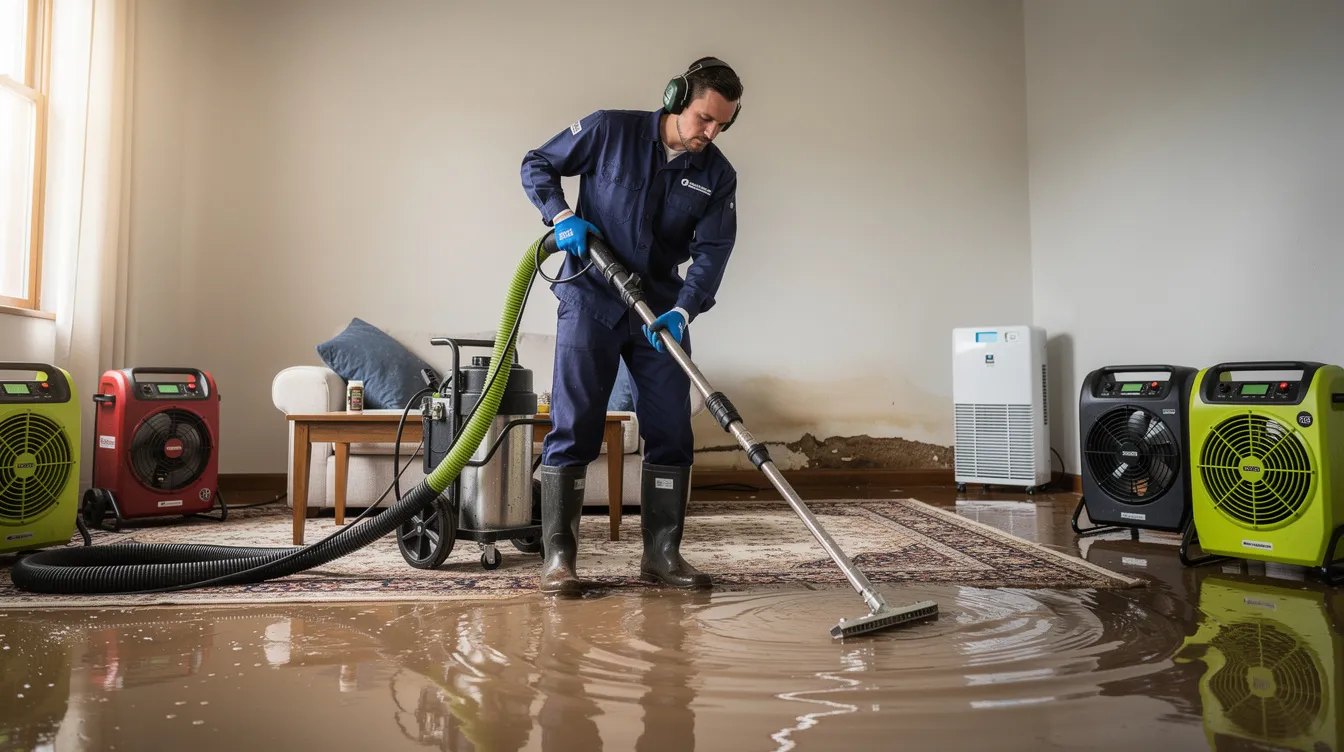
Water mitigation is the emergency, first-response phase that stops ongoing water intrusion and stabilizes your structure. The mitigation process begins the moment Predator Restoration arrives—often within hours of your initial call across Greater Houston.
The primary goal is preventing further water damage by stopping water from spreading and causing additional structural issues:
- Mold growth on drywall and wood framing
- Warped hardwoods and buckling subfloors
- Crumbled drywall and compromised insulation
- Structural deterioration in wall cavities
Houston’s climate accelerates damage dramatically. With annual humidity averaging 75-90%, professional mitigation within the first 24-48 hours is essential to protect both your building and insurance eligibility. Skipping professional mitigation may lead to mold growth within 24 to 48 hours due to the local climate. Many homeowners don’t realize that policies require “reasonable mitigation” within 48 hours to avoid claim denials.
Our technicians personally inspect walls, ceilings, flooring, and cavities for hidden moisture instead of relying on surface-level checks. Mitigation documentation, including moisture readings and photographs, is critical for insurance claims and determining the extent of damage.
The Water Mitigation Process: Step-by-Step in Greater Houston
When disaster strikes, Predator Restoration follows a systematic water mitigation process designed for Houston’s unique conditions.
1. Rapid Response and Safety
- Shut off water sources (burst supply lines, failed water heaters, AC condensate overflows)
- Address electrical hazards in flooded areas
- Secure the property for safe access
2. Standing Water Extraction
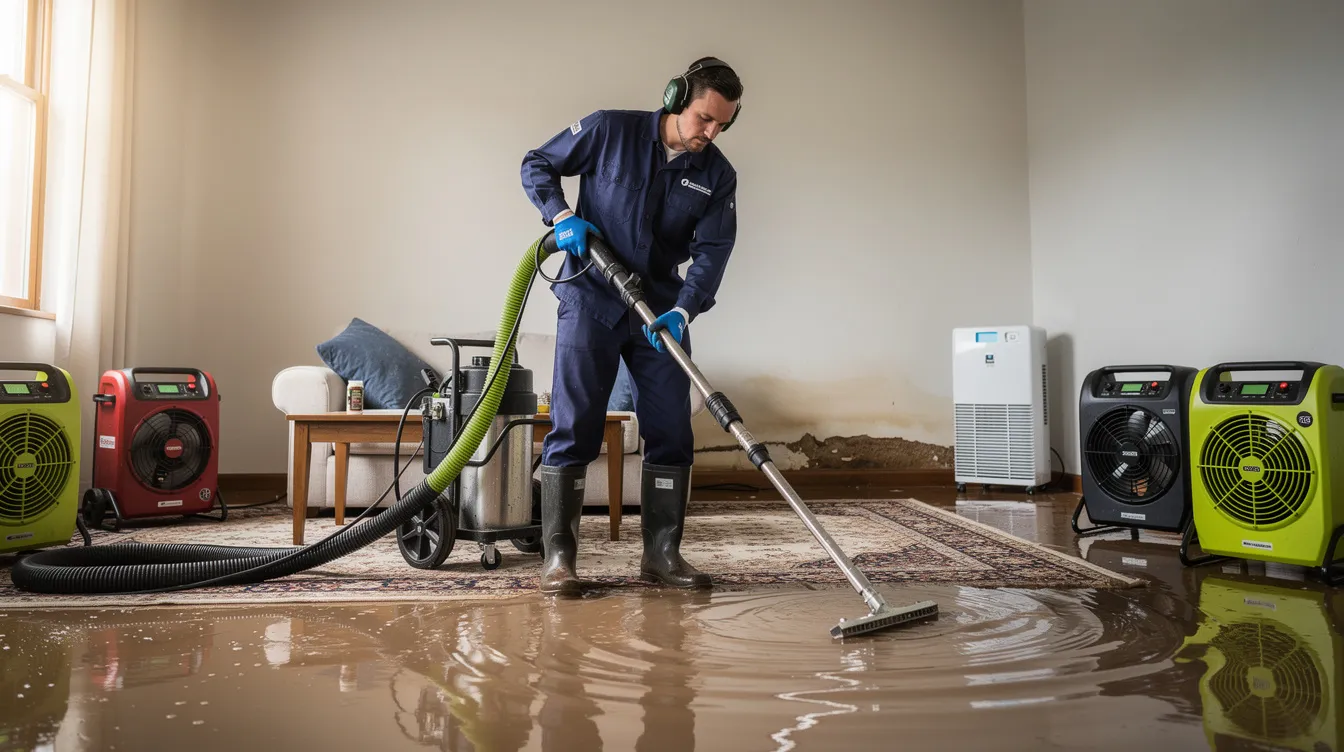
- Deploy truck mounted pumps capable of 100-200 gallons per minute
- Use submersible pumps for crawlspaces and slab-on-grade homes common in Houston
- Remove deep standing water and excess water from all affected areas
3. Moisture Detection and Mapping
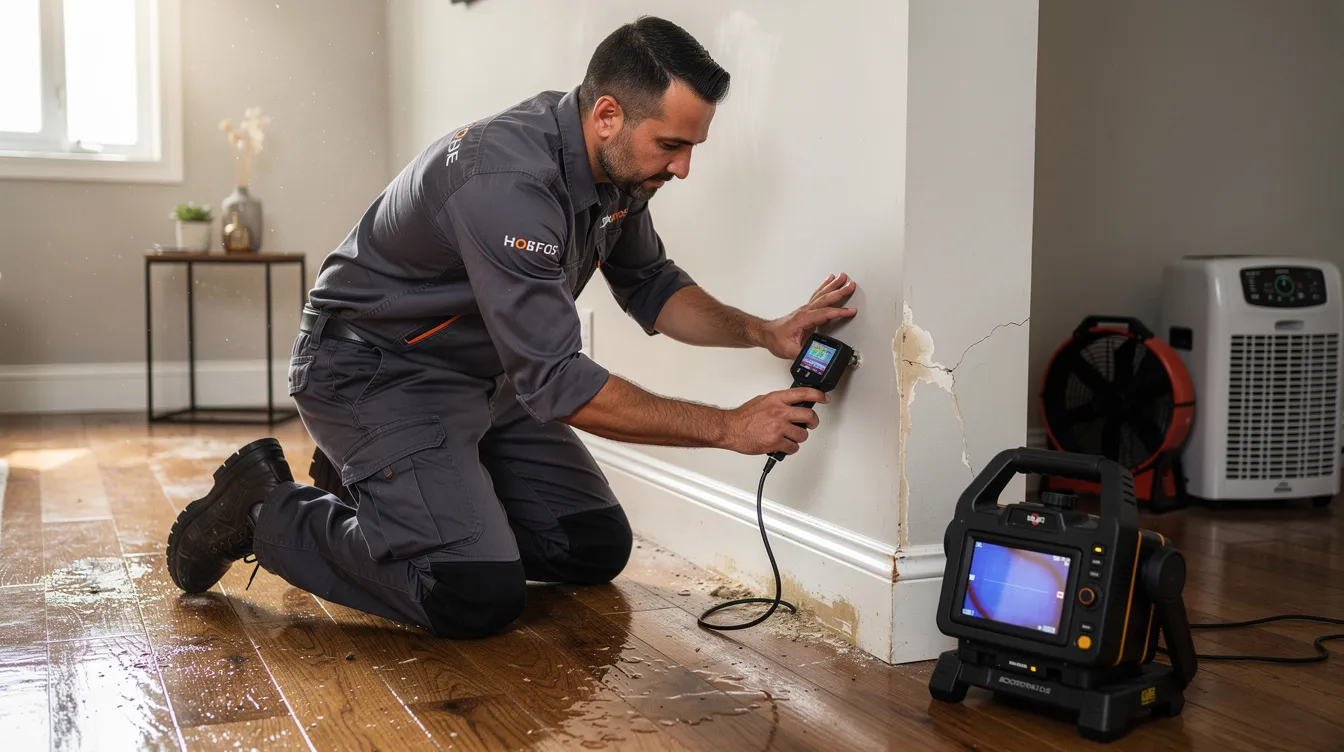
- Scan with thermal imaging cameras detecting moisture migration behind walls
- Use moisture meters to identify water beneath flooring and in insulation
- Document moisture levels throughout the structure
4. Structural Drying
- Position commercial dehumidifiers processing 100+ pints daily
- Place air movers at 500-1000 CFM per unit strategically
- Target 40-50% humidity reduction within 24-72 hours
- Ensure building materials are completely dry before restoration begins
5. Water Category Handling
- Clean water (Category 1): Supply line breaks
- Gray water (Category 2): Dishwasher or washing machine overflow
- Black water (Category 3): Sewage backups requiring full PPE and antimicrobial treatment
6. Documentation
- Capture photos, moisture readings, and detailed notes
- Prepare reports in formats insurers recognize to support your insurance claim
Need emergency water mitigation? Call (832) 937-4620 as soon as water is discovered—we’re available 24/7.
Equipment and Technology Used in Water Mitigation and Restoration
Modern water mitigation and restoration rely on advanced equipment and technology to deliver fast, thorough results. When standing water threatens your property, professional restoration companies deploy:
- Powerful truck-mounted pumps and submersible pumps to quickly extract water from affected areas, including hard-to-reach spaces beneath flooring and inside wall cavities
- Commercial dehumidifiers and high-velocity air movers, strategically placed to control moisture levels and accelerate drying, helping to prevent mold growth and further damage
- Specialized drying equipment, such as desiccant dehumidifiers, for particularly challenging environments or sensitive building materials
- Thermal imaging cameras and moisture meters to identify water that may be trapped behind walls, under floors, or in insulation—areas that household fans and basic wet vacs simply can’t reach
- Containment barriers and negative air machines to isolate affected areas and prevent cross-contamination during cleanup
By leveraging this specialized equipment and technology, restoration companies ensure that every step of the mitigation and restoration process is thorough, efficient, and effective—giving Houston property owners peace of mind and a faster return to normal.
What Is Water Damage Restoration?
Water damage restoration follows mitigation once the property is dry and stable. The water restoration process includes cleaning, decontamination, odor removal, and repairing or replacing damaged materials that can’t be saved.
Predator Restoration performs on-site evaluations to determine what can be restored versus what must be removed:
- Carpet and padding
- Baseboards and trim
- Drywall sections
- Swollen particleboard cabinets
Restoration matters because this phase returns your property to its pre-loss appearance and function. The restoration process often deals with surfaces, finishes, and partial repairs—distinguishing it from reconstruction’s structural rebuilding.
Common restoration techniques include antimicrobial fogging for contaminated water events, upholstery extraction, and ozone or hydroxyl treatment for odor removal from sewage decay.
Mold Remediation and Removal After Water Damage
In Houston’s humid climate, mold growth can become a serious problem within just 24-48 hours after water damage occurs. That’s why mold remediation and removal are essential components of the water restoration process. If left untreated, mold can spread rapidly, causing further damage to building materials and posing health risks to occupants.
Professional restoration companies follow a strict restoration process to address mold growth. First, they identify and contain the affected areas to prevent spores from spreading. Damaged materials, such as drywall, insulation, and carpeting, are carefully removed and disposed of. Specialized equipment, including HEPA filtration systems and negative air machines, is used to capture airborne mold particles and maintain a safe environment.
After removal, antimicrobial treatments are applied to all affected surfaces to prevent future mold growth. Restoration companies also use moisture detection tools to ensure that all hidden moisture has been eliminated, reducing the risk of mold returning. Throughout the process, technicians wear personal protective equipment (PPE) to safeguard their health and the health of property owners.
By addressing mold growth promptly and thoroughly, Houston property owners can prevent further damage, protect their investment, and ensure a safe, healthy environment for everyone in the building.
What Is Reconstruction and Rebuild After Water Damage?
Reconstruction represents the final phase: rebuilding structural elements and finishes that were demolished or too damaged to restore. This is where damaged structures are fully rebuilt.
Typical reconstruction tasks in Houston properties include:
- Installing new drywall with proper moisture barriers
- Replacing insulation per Houston building codes
- Rebuilding cabinetry and trim
- Installing flooring underlayment and finishes
- Replacing interior doors and framing sections
Reconstruction often follows extensive mitigation after major storms, hurricanes like Harvey (which required rebuilds for over 300,000 homes), or long-term hidden leaks. For reference, Brazoria County and Pearland TX saw significant reconstruction needs after recent storm events.
Predator Restoration offers full rebuild/reconstruction services, coordinating permitting through Houston Permitting Center, inspections, and final finishes. Having one company handle mitigation, restoration, and reconstruction keeps timelines shorter and communication clearer with insurers.
Water Mitigation vs Restoration vs Reconstruction: Key Differences
All three phases work together but serve distinct purposes in sequence:
Mitigation → Restoration → Reconstruction
| Aspect | Mitigation | Restoration | Reconstruction |
|---|---|---|---|
| Purpose | Stop/stabilize | Repair/clean | Rebuild/improve |
| Timing | First hours to days | After drying verified | Weeks to months |
| Scope | Emergency response | Surfaces and finishes | Structural elements |
| Avg. Cost | $1,500-$5,000 | $3,000-$15,000 | $10,000-$100,000+ |
Insurance dynamics matter here. Carriers require prompt mitigation to limit losses (typically covered at 100% when documented), while restoration and reconstruction require adjuster approvals using IICRC standards.
In Houston’s climate, delays compound costs exponentially. A 24-hour lag doubles mold risk; 48 hours triples remediation needs. Left untreated, water damage can lead to full restoration and reconstruction when professional mitigation alone might have sufficed.
How Predator Restoration Handles Your Full Water Damage Recovery in Houston
Predator Restoration is a full-service firm handling the complete recovery lifecycle: mitigation, restoration, mold remediation if needed, and reconstruction. Our hands-on approach means technicians personally assess damage, locate hidden moisture with moisture detection tools, and oversee work through complete recovery.
We coordinate directly with insurance adjusters, providing:
- Moisture logs and psychrometric documentation
- Photo and video evidence
- Detailed estimates for each phase
We serve residential and commercial properties across Houston, Willowbrook, Klein, Cypress, Jersey Village, Kingwood, North Houston, and surrounding communities. Our drying process is designed to prevent mold growth, structural deterioration, and lingering odors—not just dry the surface.
Ready for a site inspection? Call (832) 937-4620 or use our online contact form.
Why Local Houston Expertise Matters for Mitigation, Restoration, and Reconstruction
Houston presents unique challenges that demand local expertise in addressing Houston water damage:
- Houston receives an average of 50 inches of rainfall annually, which can lead to significant water damage in properties.
- Frequent tropical storms and major storms like hurricanes
- Humidity averaging 75-90% year-round
Houston’s clay soil and slab-on-grade construction (90% of local homes) contribute to foundation leaks, wall seepage, and recurring water intrusion if not properly addressed. The soil expands and contracts, causing 15% of slab leaks in the area.
Local knowledge of Houston building codes, moisture control barriers, and drainage requirements is critical for long-term success. Older Jersey Village homes face galvanized pipe bursts, while newer Cypress subdivisions often have poor drainage grading—each requiring tailored approaches.
Predator Restoration navigates Houston-area inspections, permitting for reconstruction, and works with local insurers and adjusters daily.
When Do You Need Mitigation Only vs Full Restoration and Reconstruction?
Some minor leaks require only mitigation and limited restoration, while larger events demand all three phases.
| Mitigation may be sufficient when: | Full restoration and reconstruction likely needed when: |
|---|---|
| Small supply line leak caught within hours | Multi-room flooding or storm-driven roof leaks active for days |
| Clean water affecting less than 10 square feet | Saturated drywall over several feet |
| No moisture detected beneath flooring or in wall cavities | Buckled hardwoods or warped subfloors |
| Musty odors indicating hidden mold | |
| Sewage backups or Category 3 water contamination |
During the initial inspection, Predator Restoration outlines which phases are required, estimated timelines, and insurance considerations. Calling quickly allows mitigation to reduce repair costs and minimize the need for extensive reconstruction.
Household fans and basic wet vacs miss 70% of trapped moisture per industry studies. Specialized equipment and moisture meters are essential to prevent mold and ensure materials are completely dry.
Prevention and Maintenance Tips for Houston Property Owners
Preventing water damage and mold growth starts with proactive maintenance and regular inspections.
Roof and Gutter Maintenance
Houston property owners should routinely check their roofs for missing shingles or leaks, ensure gutters and downspouts are clear and functioning, and inspect foundations for cracks that could allow water intrusion. Installing flood vents and sump pumps can provide an extra layer of protection against storm damage and rising water.
Plumbing and Appliance Checks
Plumbing systems, appliances, and HVAC units should be inspected and maintained regularly to catch leaks or failures before they cause significant water damage. Consider installing moisture sensors and smart water detectors in vulnerable areas, such as basements, laundry rooms, and under sinks, to receive early warnings of leaks or excess moisture.
Emergency Planning
Having an emergency response plan in place—and knowing which restoration company to call—can make all the difference when disaster strikes. By acting quickly and working with experienced professionals, property owners can reduce repair costs, prevent further damage, and minimize the risk of mold growth. Regular maintenance and preparedness are the best defenses against Houston’s unpredictable weather and the challenges it brings.
Why Choose Predator Restoration for Water Mitigation, Restoration, and Reconstruction in Houston?
Predator Restoration is a dedicated Houston-area property restoration specialist committed to complete recovery for every property we serve.
What sets us apart:
- 24/7 emergency availability with rapid response across Greater Houston
- Meticulous, hands-on service: detailed moisture mapping, contamination assessments, structural evaluations
- Full spectrum services: water extraction, water damage mitigation, flood cleanup, mold removal, mold remediation, odor removal, fire and smoke damage restoration, storm damage restoration, sewage cleanup, and full reconstruction
- Single-company continuity from mitigation through rebuild—reducing timelines by 20-30% and minimizing insurer disputes
Using one restoration company from start to finish simplifies communication, speeds timelines, and maintains consistent quality. We use containment barriers, commercial-grade drying equipment, and follow IICRC standards throughout.
Call (832) 937-4620 now for emergency water damage help, or message us online for a fast quote or site visit.
FAQ: Water Mitigation vs Restoration vs Reconstruction in Houston
How fast should water mitigation start after a leak or flood in Houston?
Mitigation should begin as soon as possible—ideally within the first few hours and no later than 24-48 hours after water intrusion. In Houston’s humid climate, mold can start developing within 24-48 hours on wet materials, dramatically increasing costs and health risks. Predator Restoration offers 24/7 response and can often be on-site the same day anywhere in Greater Houston.
Will my insurance cover mitigation, restoration, and reconstruction?
Most homeowners and commercial policies expect prompt mitigation and cover it when the cause of loss is covered. Restoration and reconstruction are typically covered according to policy limits and deductibles but require detailed documentation and carrier approval. Predator Restoration documents each phase and works directly with adjusters to streamline the claims process.
Can I handle water mitigation myself with fans and a wet vac?
Basic cleanup can help, but is rarely sufficient for real structural drying. DIY methods using household fans usually miss moisture trapped behind walls, beneath flooring, and in insulation—leading to hidden mold and structural damage. Professional moisture detection and commercial dehumidifiers are essential, especially for multi-room damage. Contact Predator Restoration for further damage prevention.
How long does the full process—from mitigation through reconstruction—usually take?
Mitigation and the drying process typically take 3-7 days depending on affected areas and materials involved. Restoration timelines vary from one week for minor repairs to several weeks for extensive rebuilding after floods or storms. Predator Restoration provides a projected schedule after the initial assessment so Houston homeowners know what to expect.
Do I have to move out during water mitigation, restoration, or reconstruction?
It depends on severity, location, and health concerns—especially with contaminated water or mold. Some projects allow occupants to stay in unaffected areas, while major flooding or sewage backups may require temporary relocation. Predator Restoration discusses safety, access, and comfort during the initial evaluation and helps plan accordingly.