
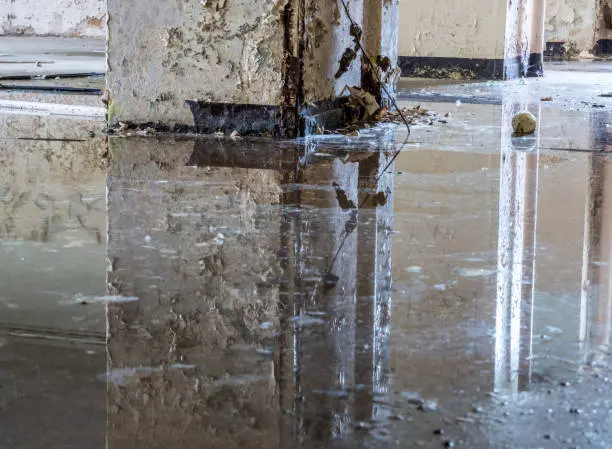
Finding standing water in your home after a heavy Gulf Coast storm or a sudden pipe burst is a high-stress emergency that requires instant action to prevent structural failure and mold growth. To protect your property, you must immediately shut off the main water supply and the electricity to affected areas while documenting every inch of the damage for insurance purposes. Taking these steps within the first 24 hours is the most effective way to manage water damage restoration Houston homeowners face during our frequent humidity spikes and flash flood events. In 2026, the average cost for water damage restoration in Houston typically ranges from $1,200 to $5,000 for minor issues, while significant flood events can easily exceed $15,000 to $50,000 depending on the category of water and square footage involved.
What is the average cost of water damage restoration in Houston?
The average cost of water damage restoration Houston residents pay is approximately $3,500, though the actual bill is dictated by the class of the damage and the contamination level of the water. For a single-room cleanup involving clean water from a supply line, you might expect to pay between $1,500 and $4,000. However, if the water has saturated structural materials like the subflooring in a West University Place home or the pier-and-beam foundation of a bungalow in The Heights, the complexity of the drying process will naturally drive the price higher.
Water mitigation pricing Houston experts provide is often calculated by the square foot, typically ranging from $3.75 to $7.00 for clean water (Category 1) extraction and drying. If the water is considered Category 2 (gray water) from a dishwasher or washing machine overflow, the cost increases to $7.00 to $12.00 per square foot due to the need for antimicrobial treatments. For Category 3 (black water), which includes bayou flooding or sewage backups, costs can jump to $12.00 to $25.00 per square foot because all porous materials must be removed and the area professionally decontaminated.
When you are facing a massive cleanup and need professional guidance on the next steps, you should contact us today to ensure you get an accurate assessment of the hidden moisture levels in your structure.
What factors drive flood repair cost Houston TX prices higher?
The primary driver of flood repair cost Houston TX estimates is the duration the water has been in contact with your property. Water is a progressive destroyer; within minutes, it spreads across floors and is absorbed into walls. Within 24 hours, drywall begins to swell and break apart, and within 48 hours, mold growth becomes a certainty in the Houston humidity. A job that costs $2,000 if addressed within 4 hours can easily triple in price if you wait two days, as simple drying turns into full-scale demolition and microbial remediation.
Another local factor is the type of flooring and materials found in Houston’s diverse neighborhoods. Homes in River Oaks or Tanglewood often feature high-end hardwoods or custom cabinetry that require specialty drying equipment like “injectidry” systems or vacuum floor mats. These tools increase the daily equipment rental rate but can save thousands of dollars by salvaging expensive materials that would otherwise need total replacement. Furthermore, if your home was built before 1980, restoration teams must test for asbestos and lead before demolition, adding specialized testing fees to the total.
The geography of the Greater Houston area also plays a role in logistics and pricing. If your property is located in a high-traffic district like the Energy Corridor or near the Medical Center, response times may be affected by local congestion, and some companies may apply an emergency surcharge for after-hours dispatch. Additionally, the high ambient humidity near the Ship Channel or Galveston Bay means dehumidifiers must run longer to reach the “dry standard,” increasing the labor and equipment monitoring costs.
Houston Water Damage Restoration Pricing Breakdown (2026 Estimates)
| Severity Level | Affected Area | Mitigation Cost Range | Rebuild Cost Range |
| Minor (Category 1) | Small Room / Content Contained | $1,000 – $3,000 | $500 – $2,000 |
| Moderate (Category 2) | 2-3 Rooms / Partial Saturation | $3,000 – $8,000 | $4,000 – $10,000 |
| Severe (Category 3) | Multi-floor / Bayou Flooding | $10,000 – $30,000 | $20,000 – $60,000+ |
| Slab Leak | Foundation / Under-floor | $2,000 – $5,000 | $3,000 – $7,000 |
Is water damage a covered peril in Texas homeowners insurance?
Whether or not your damage is covered depends heavily on the source of the water and the specific language in your policy. Generally, standard homeowners insurance covers “sudden and accidental” water discharge, such as a water heater leaking in your garage or a dishwasher line snapping in the kitchen. However, it typically excludes damage caused by lack of maintenance, such as a slow roof leak that has been neglected for months or “flood” damage caused by rising groundwater.
In Houston, most homeowners require a separate flood insurance policy through the National Flood Insurance Program (NFIP) or a private carrier to cover rising water from heavy rains or overflowing bayous. If your home in Meyerland or Kingwood floods because the street could not drain fast enough, your standard policy likely will not cover the repairs. Always review your declarations page to see if you have “water backup” coverage, which specifically handles situations where sewers or drains overflow into the home.
If you are unsure about how to navigate the documentation required for your insurance adjuster, you should contact us today so we can provide the detailed moisture logs and thermal imaging reports necessary to support your claim.
How long does it take for mold to grow after water damage in Houston?
In our subtropical climate, mold spores can begin to colonize and become visible on organic surfaces like drywall, carpet padding, and wood within 24 to 48 hours. Because Houston is naturally humid and warm, these are the perfect conditions for fungi to thrive once a moisture source is introduced. If the indoor temperature is above 70 degrees and the relative humidity remains high, a minor leak can turn into a full-scale microbial remediation project in less than three days.
This is why “moisture mapping” is so critical. Even if the floor feels dry to the touch, the “wicking” effect allows water to travel several inches up the drywall. If that moisture is trapped behind baseboards or under vinyl plank flooring, mold will grow unseen, eventually releasing spores into your HVAC system. Once the spores enter your air ducts, they can spread throughout your entire home, leading to respiratory issues and expensive professional cleaning requirements.
Essential Steps for Immediate Mitigation
- Wear Protective Gear: If the water is “grey” (from a dishwasher) or “black” (from a sewer), wear boots, gloves, and a mask.
- Move Valuables: Lift furniture onto aluminum foil or wood blocks to prevent permanent staining on your carpets.
- Open Windows (If Humidity is Low): Only do this if the outdoor humidity is lower than the indoor humidity; otherwise, keep the AC running to help dehumidify.
- Remove Rugs: Take wet area rugs outside to dry on a clean, flat surface to prevent them from bleeding dyes into the floor below.
Can you dry out a house yourself after a flood?
While DIY drying is possible for very small spills, such as a localized sink overflow on a tile floor, it is rarely successful for major flood damage Houston homes frequently endure. Standard household fans do not have the static pressure required to push air through dense materials like hardwood or subflooring. Furthermore, without a professional-grade dehumidifier, you are simply moving wet air around the room, which can actually encourage mold growth on the ceiling and other unaffected surfaces.
Professional restoration teams use “injectidry” systems and floor mats that create a vacuum seal to pull moisture out of the wood grain. This is especially important for homes near the Buffalo Bayou or in the Energy Corridor where high-end finishes are common. Attempting to dry these materials without the right equipment often leads to “cupping” or “crowning” of wood floors, which eventually requires a total replacement rather than a simple refinishing.
What are the most common causes of water damage in Houston homes?
Houston properties face a unique set of risks compared to other parts of the country. Beyond the obvious threat of hurricanes and tropical storms, our local infrastructure and soil conditions contribute to frequent plumbing failures. The highly expansive clay soil in Harris County causes foundations to shift, which can put immense pressure on underground pipes and slab plumbing, leading to “slab leaks” that often go unnoticed until a massive bill or a soft spot on the floor appears.
Another major culprit is the aging HVAC infrastructure. Most Houston homes run their air conditioning units for 10 months out of the year. When condensate drain lines clog with algae or dust, the backup can overflow the primary pan, causing water to pour through the ceiling. This often happens in attic installations, leading to collapsed drywall in bedrooms or hallways. Regular maintenance is the only way to prevent these “silent” water damage events.
How does the local geography affect flood damage repair Houston residents need?
The topography of Houston is famously flat, which means our drainage systems rely on a complex network of bayous like Brays, White Oak, and Cypress Creek. When these waterways reach capacity, the water has nowhere to go but back into the residential streets. This creates a specific type of flood damage repair Houston homeowners must prepare for: the “wash and disinfect” protocol.
Because floodwater is considered “Category 3” or “Black Water,” it contains bacteria, chemicals from road runoff, and potentially sewage. This means that any porous material it touches, including drywall, insulation, and carpet, must be removed and discarded. You cannot simply “dry out” a wall that has been touched by bayou water. The studs must be cleaned with antimicrobial agents and allowed to dry completely before new drywall is hung to ensure the home remains safe for habitation.
To prevent long-term structural rot and ensure your home is safe for your family to return to, you should contact us today for a professional sanitation and structural drying plan.
Should I call a plumber or a restoration company first?
If the water is currently flowing, you need a plumber to stop the leak. However, the plumber’s job ends once the pipe is fixed. They generally do not have the equipment to handle the secondary damage, such as saturated flooring or moisture in the walls. For this reason, many homeowners call both simultaneously. A restoration company can begin the extraction process while the plumber is working on the repair, which saves valuable time in the race against mold.
In cases of heavy rain or roof leaks, a plumber is not needed. Instead, you would need a roofer for a temporary tarp and a restoration specialist for the interior. The restoration team acts as the project manager for the “dry-back” phase, ensuring that every trade that follows from the flooring installers to the painters, is working on a surface that is structurally sound and moisture-free.
How to prevent future water damage in the Houston area?
Prevention is a year-round job in Southeast Texas. Start by inspecting your roof for loose shingles after every major wind event, as even a small gap can let in gallons of water during a typical Houston downpour. Ensure your gutters are clear of pine needles and debris so that water is directed at least five to ten feet away from your foundation. In a city where foundation issues are common, keeping the ground around your home at a consistent moisture level is key to preventing pipe shifts.
Inside the home, consider installing smart water leak detectors near high-risk appliances like the water heater, washing machine, and under the kitchen sink. These devices can send an alert to your phone and even shut off the main water valve automatically if a leak is detected. For a relatively small investment, these tools can prevent the need for massive water cleanup services Houston homeowners dread.
Checklist for Post-Water Damage Recovery
- Check HVAC: Have a technician check your AC ducts if the water reached the ceiling or if the house was sitting in high humidity.
- Inspect Electrical: Do not turn on lights or appliances in affected areas until an electrician gives the green light.
- Verify Drying: Use a moisture meter to ensure the subfloor is below 12% moisture content before installing new flooring.
- Update Insurance: After repairs, update your insurance agent to ensure your coverage limits reflect any new upgrades or materials.
Frequently Asked Questions
How much does it cost to dry out a house in Houston?
Drying out a standard 2,000-square-foot home in Houston after Category 1 water damage typically costs between $3,000 and $8,000 for mitigation alone. If the water is Category 3 (sewage or bayou floodwater), the cost increases significantly because all porous materials like drywall and carpet must be removed rather than dried, often bringing the total between $15,000 and $40,000.
Can I stay in my house during the water restoration process?
It depends on the extent of the damage and the equipment needed. If the damage is limited to one room, you can stay, but be prepared for the loud noise of industrial fans running 24/7. However, if there is Category 3 water (sewage or floodwater) or if the power is off, it is safer to relocate to a hotel or a friend’s home in a nearby area like The Woodlands or Pearland until the site is decontaminated.
How do I know if my walls are dry?
You cannot tell if a wall is dry just by looking at it or touching it. Professionals use “non-penetrating” moisture meters that use radio frequencies to detect moisture behind the surface of the drywall or under the tile. If the meter indicates a “high” reading compared to a known dry wall in your home, moisture is still present and drying must continue.
Will my insurance company pay for the restoration directly?
Most restoration companies can work directly with your insurance carrier through a “direction to pay” agreement. This means the insurance company sends the check for the mitigation work directly to the service provider, reducing your out-of-pocket expenses to just your deductible.
Does bleach kill mold on drywall?
No, bleach is not recommended for porous surfaces like drywall. Bleach is mostly water; while it might kill the mold on the surface, the water in the bleach can soak into the drywall and actually feed the mold roots (hyphae) inside the material. It is better to use a dedicated EPA-registered antimicrobial or simply remove the affected drywall entirely.
Conclusion
Responding to a water emergency requires a calm head and a quick hand. By shutting off the water, documenting the scene, and beginning the extraction process within the first few hours, you significantly reduce the risk of structural compromise and health hazards. In a city as vibrant and geographically diverse as Houston, understanding the local risks from bayou overflows to foundation shifts is the first step in protecting your greatest investment.
When the job is too big to handle alone, you need a partner who knows the local neighborhoods and the unique challenges of our Texas climate. Predator Restoration stands as a trusted local service provider, offering the specialized equipment and expertise required to return your home to a pre-loss condition. Whether you are dealing with a localized leak or major storm damage, we provide the comprehensive solution you need to restore your peace of mind.