
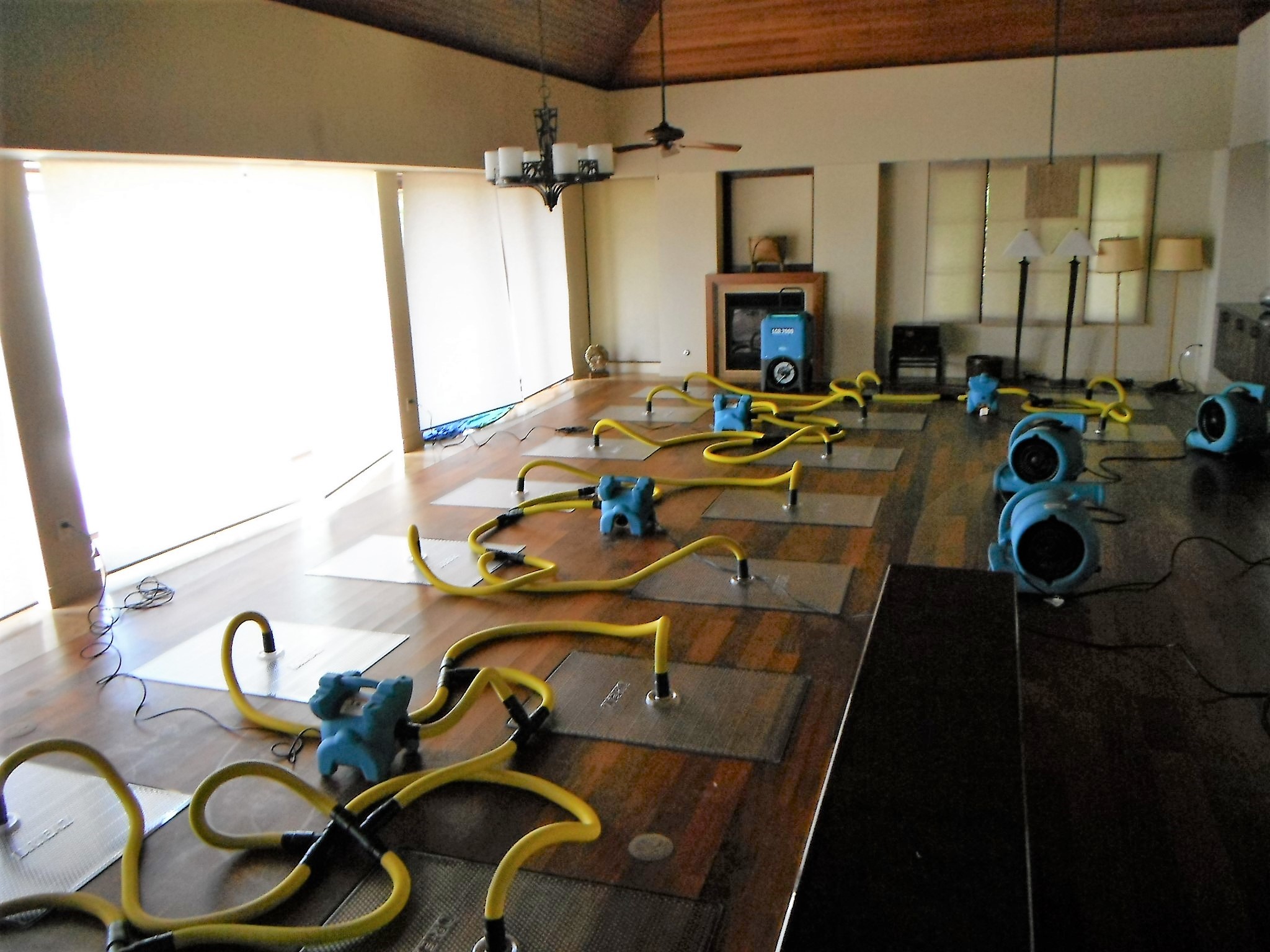
If you are standing in a flooded living room after a sudden Texas storm or a burst pipe, the immediate stress can be overwhelming. Water mitigation service in Houston is the professional process of preventing further damage to your property by stabilizing the environment, removing standing water, and drying out structural materials like drywall and flooring. The primary goal is to act fast so that secondary issues, such as structural rot or hazardous mold growth, do not have a chance to take root in your home or business.
What is the difference between water mitigation and water restoration?
While many people use these terms interchangeably, they represent two distinct phases of recovery. Water mitigation is the emergency phase focused on containment and prevention. It involves extracting water, boarding up windows if necessary, and setting up high-powered drying equipment to stop the damage from spreading. In contrast, restoration is the secondary phase that involves repairing or replacing materials that were already destroyed, such as installing new carpet, hanging fresh drywall, or painting.
Think of mitigation as the “first responders” for your house. When you seek a water mitigation service in Houston, you are looking for someone to stop the bleeding. Restoration is the “reconstructive surgery” that happens once the patient is stable. By prioritizing mitigation, you often reduce the total cost of the restoration phase because fewer materials end up needing full replacement.
How does the water mitigation process in Houston actually work?
The process follows a systematic approach designed to move as quickly as the humidity levels in the Gulf Coast demand. Because Houston’s ambient humidity is naturally high, the drying process requires specialized knowledge and industrial-grade tools to be effective.
Phase 1: Immediate Inspection and Assessment
Technicians use moisture meters and thermal imaging cameras to find water hidden behind walls or under cabinets. This assessment determines the “category” of water (clean, gray, or black) and the “class” of damage, which dictates the level of protective gear and sanitization required.
Phase 2: Water Extraction and Removal
The bulk of the liquid is removed using powerful truck-mounted vacuums or submersible pumps. This is the most critical step in emergency water cleanup in Houston because physical extraction is significantly faster and more efficient than waiting for water to evaporate into the air.
Phase 3: Stabilization and Drying
Once the standing water is gone, the environment still contains high levels of moisture trapped in porous materials. Professionals use high-velocity air movers and industrial refrigerant dehumidifiers to pull moisture out of the air and the structural elements of the building.
Phase 4: Cleaning and Sanitizing
Water often carries contaminants, especially if it originated from a sewage backup or a Bayou overflow. This step involves applying antimicrobial treatments to prevent mold and using air scrubbers to remove odors and airborne particles.
Why is emergency water cleanup in Houston so time-sensitive?
Time is the enemy of any property owner dealing with moisture. In the Houston heat, mold spores can begin to colonize organic materials like wood and paper-faced drywall in as little as 24 to 48 hours. If you wait several days to address a leak in a neighborhood like The Heights or River Oaks, a simple drying job can quickly escalate into a massive mold remediation project.
Furthermore, water compromises the structural integrity of your home. Laminated wood floors will warp (cup), and drywall will lose its strength and begin to crumble. Swift action ensures that the saturation doesn’t reach the “point of no return,” where the only option left is an expensive tear-out.
| Comparison Factor | Water Mitigation | Water Restoration |
| Primary Goal | Stop further damage / stabilize | Repair and rebuild to pre-loss state |
| Timing | Immediate (first 24-48 hours) | After the structure is completely dry |
| Core Activities | Extraction, dehumidification, cleanup | Carpentry, painting, flooring install |
| Urgency | Extremely High | Moderate to High |
| Equipment | Air movers, dehumidifiers, vacuums | Saws, drills, painting supplies |
What are the most common causes of water damage in Houston homes?
Houston’s unique geography and infrastructure contribute to specific types of water incidents. Residents near the Buffalo Bayou or those living in flood-prone zones like Meyerland often face external rising water. However, internal issues are just as prevalent throughout the metropolitan area.
- Flash Flooding: Heavy tropical rains can overwhelm local drainage systems in minutes, leading to street flooding that can seep into garages and low-slung foundations.
- HVAC Drainage Failures: Because Houstonians run air conditioning almost year-round, clogged condensate lines are a frequent cause of ceiling leaks and attic water damage.
- Burst Pipes: While rare, occasional hard freezes in the winter can catch unprotected pipes in older neighborhoods like Montrose off guard, leading to significant indoor flooding.
- Water Heater Failures: In many Houston homes, water heaters are located in the attic. When these tanks fail, they don’t just leak; they flood the entire house from the top down.
Understanding the local impact of humidity on drying times
In dryer climates, a wet room might dry out relatively quickly with just an open window. In Houston, opening a window often introduces more moisture into the home. Professional mitigation teams must create a “controlled drying environment.” This means sealing the affected area off from the rest of the house and using dehumidifiers that are specifically rated to handle the high grains per pound (GPP) of moisture found in Southeast Texas.
Whether you are located in the Energy Corridor or near the Medical Center, the physics of drying remains the same. The air must be made “thirsty” enough to pull moisture out of the materials. If the technicians don’t account for the local climate, they may leave the property appearing dry on the surface while the internal wall cavities remain damp enough to rot.
How do professionals detect hidden water in walls and floors?
Modern water mitigation involves more than just looking at a wet spot on the floor. Professionals use a variety of scientific tools to ensure no moisture is left behind.
- Moisture Sensors: These have probes that can be pushed into carpets or pads to detect the presence of moisture.
- Thermal Imaging (Infrared Cameras): These cameras detect temperature differences. Since water-evaporating surfaces are cooler, wet areas show up as dark blue or purple on the screen, even if the wall looks dry to the naked eye.
- Moisture Meters (Penetrating and Non-Penetrating): These provide actual percentage readings of moisture content in wood, drywall, or masonry.
- Hygrometers: These measure the relative humidity and temperature of the air, helping technicians calculate the “vapor pressure” needed to speed up evaporation.
If you are dealing with a complex leak and need to schedule a professional assessment, reaching out to a team that understands the local architecture of Harris County is essential. You can contact us today to discuss your specific property needs and ensure a technician is dispatched to your location immediately.
What should you do in the first hour after finding water damage?
The first 60 minutes are critical for your safety and the preservation of your property. Your priority should be stopping the flow of water and eliminating electrical hazards.
- Shut off the main water valve: Every homeowner in Houston should know where their water shut-off is located (usually near the street or where the main line enters the house).
- Turn off the power: If water has reached electrical outlets or is dripping from light fixtures, shut off the breakers to those areas immediately.
- Protect your belongings: Move light furniture, rugs, and electronics to a dry area. Place aluminum foil or wood blocks under the legs of heavy furniture to prevent wood stains on the carpet.
- Document everything: Take photos and videos of the standing water and any damaged items for your insurance claim.
Once these safety steps are taken, the next step is to call for professional help. Dealing with a flood in a high-traffic area like Uptown or near the Galleria requires a fast response to prevent business interruption or total residential displacement. Finding a reliable team can be simple when you know who to trust.
The role of insurance in the water mitigation process
Most standard homeowners’ insurance policies cover “sudden and accidental” water damage, such as a burst pipe or a washing machine overflow. However, they typically do not cover “gradual” damage (like a leak that has been dripping for six months) or “flood” damage (rising water from the ground).
Professional mitigation companies in Houston often work directly with insurance adjusters. They provide the necessary documentation, drying logs, and moisture readings that insurance companies require to process a claim. This takes the burden off the homeowner and ensures that the scope of work is justified by scientific data.
Is it safe to stay in your home during the mitigation process?
Whether you can stay in your home depends on the extent of the damage and the category of the water.
- Category 1 (Clean Water): If the leak was from a clean supply line and the area is small, you can usually stay in the home.
- Category 2 (Gray Water): This involves water from dishwashers or washing machines. It may contain chemicals or microbes. Use caution.
- Category 3 (Black Water): This is highly contaminated water from sewage or outdoor flooding. It is generally not safe to remain in the home due to the risk of pathogens.
Beyond the water quality, the equipment used during mitigation is loud. Industrial air movers and dehumidifiers run 24/7 and can make it difficult to sleep or hold conversations. If the damage is extensive throughout your Sugar Land or Pearland home, temporary relocation might be the most comfortable option.
FAQ: Common Questions About Houston Water Mitigation
How long does it take for a house to dry out after a leak?
In the Houston area, the standard drying time is between 3 to 5 days. This can vary based on the types of materials affected (hardwood takes longer than drywall) and the local humidity levels at the time of the loss.
Can I just dry the carpet myself with a shop vac and fans?
While a shop vac removes surface water, it cannot pull moisture out of the carpet padding or the subfloor. Domestic fans do not have the static pressure required to force air into porous materials. Professional equipment is necessary to prevent mold from growing beneath the surface.
Will my hardwood floors have to be replaced if they get wet?
Not necessarily. If mitigation begins quickly, professionals can use specialized “floor mats” that use suction to pull moisture out of the wood from the bottom up. This often saves expensive hardwood floors from permanent warping.
Is the smell of “dampness” normal after the water is gone?
A slight odor is common during the initial drying phase, but it should dissipate as the humidity drops. If a strong, musty smell persists, it usually indicates that there is still hidden moisture or that mold has already begun to grow.
Does water mitigation include mold removal?
If mitigation is done correctly and immediately, mold removal is often unnecessary. However, if the water has been sitting for more than 48 hours, the mitigation process will likely include antimicrobial treatments and potentially mold remediation if colonies are already visible.
Choosing a partner for your recovery
Navigating a water disaster requires a blend of technical expertise and local knowledge. You need a team that understands how Houston’s climate affects building materials and how to navigate the specific insurance requirements of the region.
When the unexpected happens, having a local expert by your side makes all the difference. You can speak with our specialists to receive a rapid assessment of your situation and a clear plan for drying and restoring your property.
Conclusion
Understanding water mitigation service in Houston is the first step toward saving your home from long-term damage. By focusing on rapid extraction, industrial-strength dehumidification, and scientific moisture monitoring, you can protect your investment and ensure a healthy environment for your family. Whether you are dealing with a small kitchen leak or a major flood event near the Houston Ship Channel, the principles of professional mitigation remain the same: act fast, use the right tools, and never leave moisture behind.
For residents and business owners throughout the Greater Houston area, Predator Restoration stands as a trusted local service provider. We offer a comprehensive solution to the problems discussed in this guide, bringing years of experience to every emergency. Our team is dedicated to providing high-quality water mitigation service in Houston, ensuring that your property is returned to its pre-loss condition with as little stress as possible. When water strikes, don’t wait for the damage to become permanent; let a professional team guide you through the process of recovery.