

A slow drip behind your bathroom wall or standing water after a summer storm might not seem urgent—until it is. Houston’s climate, with its high humidity and frequent flooding, creates unique challenges for water damage restoration, causing even minor water damage to escalate into a costly, dangerous problem faster than most property owners realize.
This article explains exactly what happens if water damage is left untreated in Houston, including the unique risks posed by the city’s climate and what homeowners should do immediately.
This guide is for Houston homeowners and property managers who want to understand the dangers of untreated water damage, how quickly problems can escalate in Houston’s climate, and what steps to take to protect their property and health.
Key Takeaways
- In Houston’s high humidity environment, mold growth can begin within 24–48 hours of moisture exposure, even when surfaces appear dry to the naked eye.
- Untreated water damage leads to wood rot, foundation issues, structural damage, and electrical hazards that dramatically increase repair costs over time.
- Professional water damage restoration with moisture detection and proper drying—not just surface cleanup—is critical to protect your property and indoor air quality.
- Maintaining your property is essential to prevent loss of market value; untreated water damage can cause homes to lose market value by 10% to 30%.
- Predator Restoration Inc. provides 24/7, hands-on water damage mitigation across Houston, Willowbrook, Klein, Cypress, Jersey Village, Kingwood, and North Houston. Call (832) 937-4620 or message us online for emergency response.
- This article walks you through short-term and long-term consequences, warning signs, and exactly when to call for expert assistance.
Why Untreated Water Damage Is So Dangerous in Houston
Picture this: a 2024 Gulf Coast thunderstorm dumps heavy rain on your roof, or a small leak from your A/C condensate line goes unnoticed for weeks. In Houston, these scenarios turn serious fast.
Houston’s climate creates a perfect environment for water damage escalation. With humidity frequently exceeding 70–90% and frequent flooding from tropical systems and overwhelmed drainage, moisture simply doesn’t evaporate naturally like it would in drier cities. Your walls, floors, and subfloors stay wet longer—and that’s where the real destruction begins.
“Untreated” doesn’t just mean standing water pooling in your living room. It includes:
- Partially dried carpets that feel damp underneath
- Drywall that absorbed moisture but looks fine on the surface
- Hidden moisture trapped in framing, insulation, and subfloors
The risks fall into four categories: structural damage, mold and air quality problems, electrical and safety hazards, and financial consequences. If you’ve discovered water intrusion, call Predator Restoration at (832) 937-4620 for 24/7 emergency inspection throughout greater Houston.
How Fast Water Damage Escalates in a Houston Property
Understanding the timeline helps you grasp why quick action matters so much in Houston homes.
First 24 Hours: Porous materials like drywall and baseboards begin wicking water immediately. Laminate floors bubble, and Houston’s humidity prevents natural drying. What looks like minor water damage is already spreading deeper into your home’s structure.
24–48 Hours: This is the critical threshold. Mold spores begin colonizing behind walls, under vinyl flooring, and inside HVAC systems—even a small amount of trapped moisture creates conditions for growth. Surfaces may look dry while mold establishes in hidden cavities.
3–7 Days: Wood framing starts to soften. Subfloors warp. Metal fasteners rust. Musty odors become noticeable as bacterial growth accelerates. Insects and rodents may be attracted to damp materials in affected areas.
1–4 Weeks: Without intervention, you’re now dealing with extensive structural issues. Flooring may need full replacement. Air quality deteriorates significantly. What started as a water leak has become a serious issue requiring demolition and reconstruction.
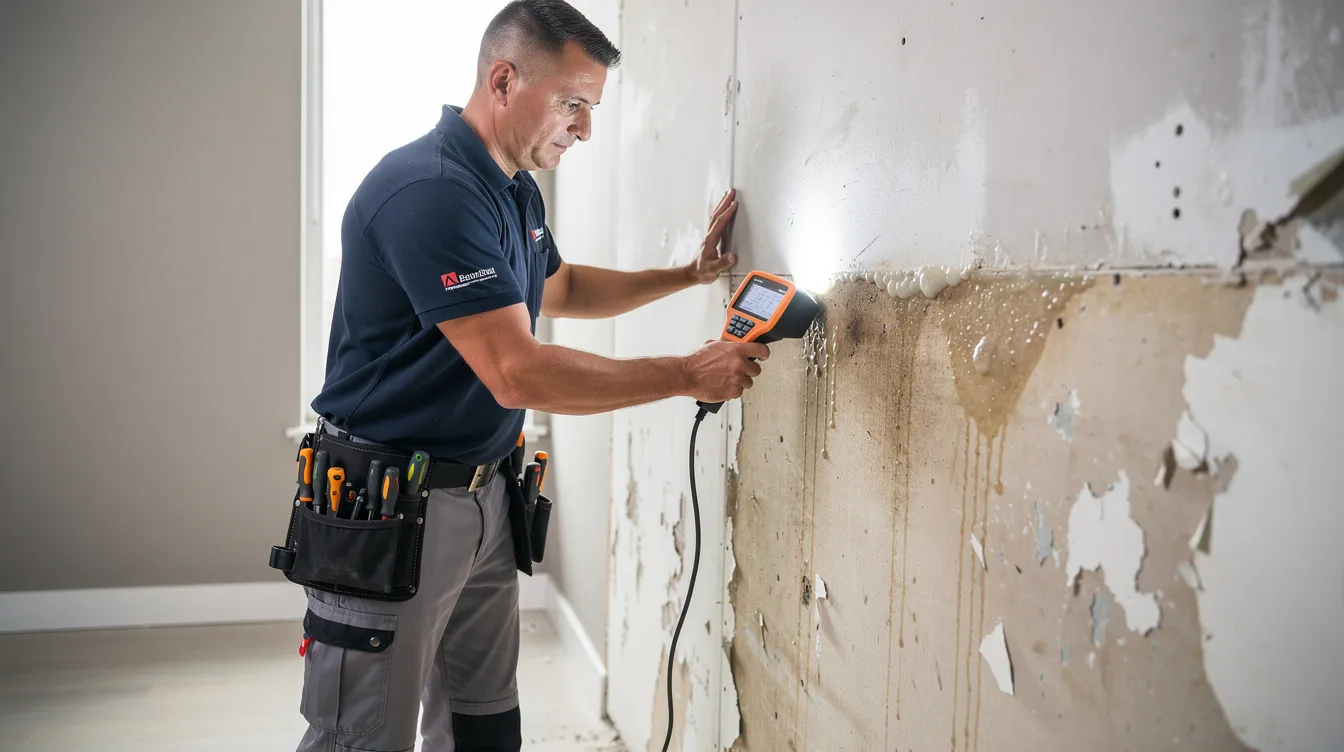
Predator Restoration uses moisture meters, thermal cameras, and humidity monitoring to identify hidden moisture and stop this escalation before it reaches the expensive rebuild stage.
Structural Damage When Water Is Left Untreated
Houston’s building stock—slab-on-grade foundations, pier-and-beam homes, and commercial concrete structures—is particularly vulnerable to prolonged moisture exposure.
Structural Damage: Prolonged exposure to moisture can lead to wood rot, which compromises the structural integrity of a home. Water damage in a Houston home can lead to severe consequences within 24–48 hours due to high humidity. Foundation instability can result from continuous exposure to moisture, leading to costly long-term repairs.
Foundation Risks: Repeated wetting from plumbing leaks or localized flooding can cause slab movement, cracks expanding over time, and uneven settling. In neighborhoods like Cypress and Jersey Village, foundation repair costs far exceed what early water extraction would have cost.
Interior Deterioration: Saturated studs lose load-bearing capacity. Subfloors under bathrooms and kitchens—areas with concentrated moisture exposure—deteriorate first. Warped framing around windows and doors compromises weatherproofing and creates new pathways for further damage.
Roof and Attic Damage: Untreated roof leaks from hurricanes and storms slowly destroy attic insulation, rafters, and ceiling drywall. By the time you see visible signs like stains or sagging, significant structural decay has already occurred.
Predator Restoration goes beyond cosmetic patching. Technicians open cavities when needed, dry structural materials to industry standards, and coordinate rebuild and reconstruction when structural pieces must be replaced.
If you notice cracks, soft floors, or sagging ceilings after a leak, call (832) 937-4620 before the damage worsens.
Mold Growth and Indoor Air Quality Problems
In Houston’s climate, mold can start forming within 24–48 hours on damp surfaces—especially in closed spaces like closets, attics, and behind walls where air circulation is limited.
Mold Growth: Mold can develop within 24 to 48 hours of water exposure in Houston’s climate, leading to significant air quality issues and health risks.
Common Mold Hotspots After Water Damage:
- Under carpets in North Houston homes
- Behind shower walls after failed grout or caulk
- Around A/C closets and condensation pans
- Near water heaters in garages
Health Impacts: Increased allergies, asthma flare-ups, chronic cough, and sinus congestion affect occupants—especially children, elderly family members, and immunocompromised individuals. Musty odors often persist despite cleaning efforts because mold is growing in hidden locations.
DIY drying with fans and open windows rarely removes moisture from deep inside materials. OSB, plywood, drywall paper, and insulation all hold moisture that allows mold to colonize even when surfaces feel dry.
Predator Restoration’s mold remediation process includes containment, HEPA filtration, removal of contaminated materials, detailed cleaning, and drying time to industry standards, followed by odor removal when necessary.
Notice musty odors or visible spots after a leak? Contact Predator Restoration online for a mold and moisture assessment.
Electrical, Sewage, and Health Hazards from Ignored Water Damage
Untreated water damage can evolve from a property issue into a life-threatening safety hazard.
Electrical Dangers: Water intrusion into outlets, wiring, junction boxes, and breaker panels creates risk of short circuits and electrical fires. Shut off power to affected areas immediately if safe to do so.
Sewage and Contamination: Houston’s storm and sanitary systems can become overwhelmed during natural disasters and heavy rain, leading to backed-up floor drains and contaminated Category 3 water entering buildings. This sewage-contaminated water contains bacteria, viruses, and other contaminants that pose serious health risks. Floodwater may also carry petroleum residues and debris from surrounding areas.
Pest Proliferation: Standing water and damp materials become breeding grounds for mosquitoes, cockroaches, termites, and rodents—creating secondary infestation problems that persist long after water removal.
Predator Restoration provides sewage cleanup with proper PPE, specialized equipment, and removal of non-salvageable materials to restore safe, habitable conditions.
Financial and Insurance Consequences of Leaving Water Damage Untreated
Waiting often transforms an easily covered insurance claim into a partial or denied claim.
Cost Escalation Pattern:
| Timeline | Typical Scope |
|---|---|
| Week 1 | Limited drying, water extraction |
| Weeks 2–3 | Carpet removal, structural drying, use of industrial-grade dehumidifiers and moisture monitoring |
| Week 4+ | Full flooring replacement, mold remediation, costly repairs including potential foundation work and water damage mitigation |
Many Houston insurers require policyholders to “protect the property from further damage”—which means calling restoration services quickly. Delays that lead to mold or severe damage may not be covered.
Untreated water damage also reduces property value, complicates inspections, and scares off buyers in competitive markets like Kingwood and Cypress. Texas disclosure laws require sellers to report known water damage history.
Predator Restoration assists with documentation, photos, moisture readings, and detailed estimates to support insurance claims and help property owners get reimbursed fairly.
Call (832) 937-4620 immediately after discovering water damage so mitigation and documentation can begin.
Water Removal and Extraction: The Critical First Step
When water damage strikes, the speed and thoroughness of water removal can make all the difference between a quick recovery and a long, expensive ordeal. Standing water doesn’t just sit harmlessly—it seeps into floors, baseboards, walls, and subfloors, setting the stage for severe damage and mold growth. In Houston’s humid climate, even a short delay allows moisture to penetrate deeper, increasing the risk of structural issues and costly repairs.
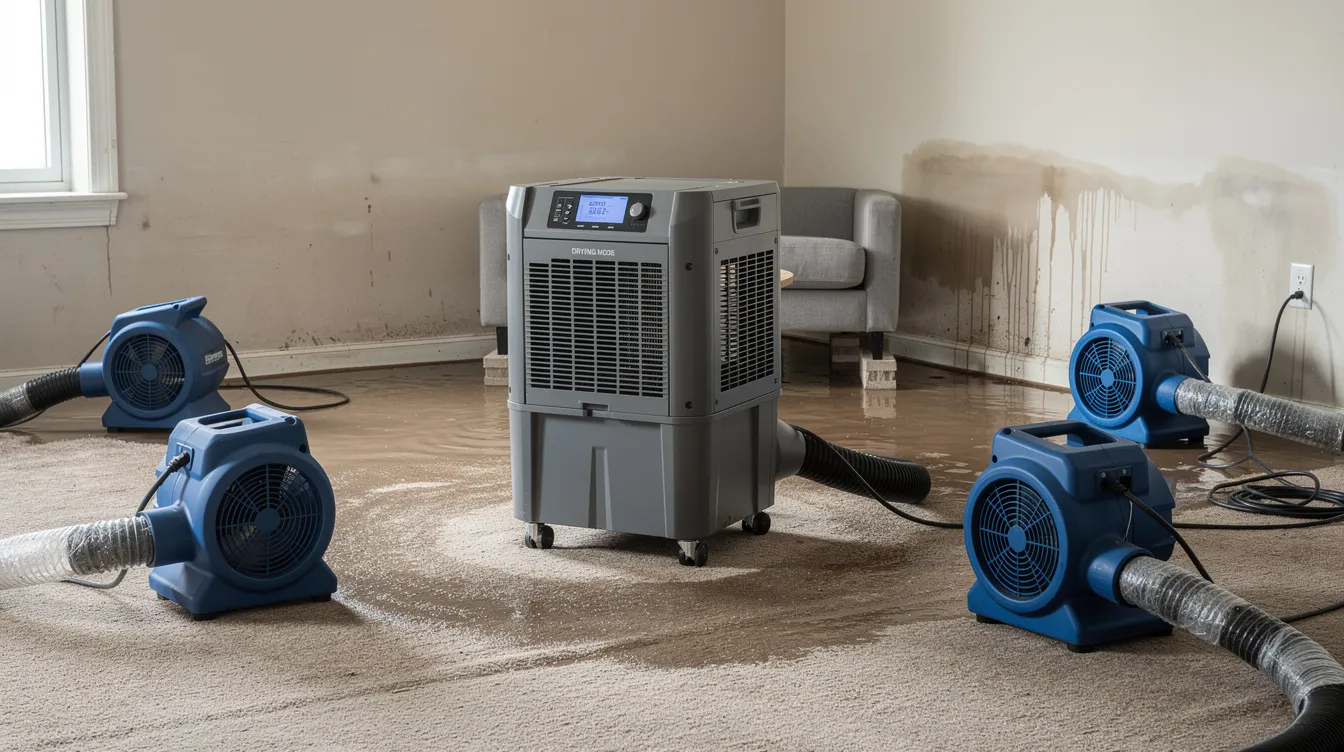
Professional water damage restoration services begin the restoration process with rapid water removal using high-powered pumps and industrial-grade vacuums. This is followed by the strategic placement of commercial air movers and dehumidifiers to dry out affected areas, ensuring that every trace of moisture is addressed. Restoration experts use advanced tools like moisture meters and thermal imaging to detect hidden dampness behind walls and under floors—areas where mold can thrive if left untreated.
Skipping or delaying this critical first step can lead to further damage, including weakened structural components and persistent mold problems. That’s why professional water damage restoration is essential: it not only removes visible standing water but also targets the hidden moisture that threatens your property’s integrity. Acting quickly with expert restoration services protects your home from escalating damage and helps restore it to its pre-damaged condition.
Storing and Salvaging Belongings After Water Damage
After water damage, protecting your personal belongings is just as important as repairing your home’s structure. Porous materials like furniture, clothing, books, and important documents can absorb moisture rapidly, leading to stains, warping, and even permanent loss if not addressed with quick action. Even a small amount of water can turn minor water damage into a serious issue for your valuables.
Professional restoration services offer comprehensive solutions for salvaging and storing your belongings. This often includes pack-out services, where items are carefully removed from affected areas, then dried, sanitized, and deodorized using specialized equipment. Climate-controlled storage facilities with 24/7 surveillance and fire suppression systems keep your possessions safe while your home undergoes repairs.
Homeowners can help protect their materials by moving items to a dry area as soon as possible, but expert assistance is crucial to assess the extent of damage and determine the best restoration approach. Restoration professionals can often repair and restore items that might otherwise be considered lost, saving you money and preserving irreplaceable memories. Don’t underestimate the impact of even minor water damage—act quickly to prevent further damage and ensure your belongings are properly cared for throughout the restoration process.
Hardwood Floor Repair and Restoration Challenges in Houston Homes
Hardwood floors add beauty and value to Houston homes, but they are especially vulnerable to water damage due to the city’s high humidity and frequent flooding. When moisture seeps into wood, it can cause swelling, warping, and eventually wood rot—leading to structural damage that threatens the integrity of your floors and your home. Houston’s climate also creates a perfect environment for mold growth, which can appear as black, green, or white patches on water-damaged wood, further complicating repairs.
Visible signs of water damage, such as stained, buckling, or sagging floors, should be addressed immediately to prevent extensive destruction and costly repairs. Professional water damage restoration services use specialized equipment to extract moisture and dry hardwood floors thoroughly, but in cases of severe damage, sections of flooring may need to be replaced to restore your home to its pre-damaged condition.
Homeowners can protect their investment by responding quickly to water leaks, ensuring proper drying, and scheduling regular maintenance and inspections. Expert assistance is often required to assess the extent of damage and prevent further harm, especially in homes affected by frequent flooding. Having flood insurance can also provide crucial financial protection when disaster strikes. By staying vigilant and acting fast, you can minimize the risk of mold growth, structural damage, and costly repairs—helping to maintain the value and safety of your Houston home.
How Predator Restoration Handles Water Damage in Houston—Before It Becomes a Bigger Problem
Predator Restoration’s hands-on, on-site restoration process ensures nothing gets missed.
The Process:
- Emergency Response: 24/7 dispatch with rapid arrival, safety checks, and identification of water source (burst pipe, A/C leak, roof intrusion, sewage backup, or flooding)
- Assessment: Moisture mapping with thermal imaging cameras, checking wall cavities, ceilings, subfloors, and cabinets for hidden moisture
- Mitigation: Water removal with commercial extraction equipment, strategic placement of air movers and dehumidifiers, continuous humidity monitoring
- Complete Restoration: Addressing contamination, odors, and structural concerns with full rebuild and reconstruction capabilities
Schedule a professional water damage inspection for your residential or commercial property.
What You Should Do Immediately When You Discover Water Damage
The first minutes and hours matter most in limiting long-term damage.
Safe First Steps:
- Shut off main water supply if dealing with a pipe leak
- Turn off power to affected areas if safe
- Move furniture and valuables to dry locations
- Take clear photos and videos for insurance documentation
- Avoid walking through standing water where electrical hazards exist
- Do not attempt to clean sewage without proper protection
DIY shop-vac drying is rarely enough. Professional extraction, specialized equipment, and proper drying time prevent hidden moisture from causing future problems.
Call Predator Restoration at (832) 937-4620 immediately for professional water extraction. We serve Houston, Willowbrook, Klein, Cypress, Jersey Village, Kingwood, North Houston, and surrounding communities 24 hours a day.
Why Choose a Local, Hands-On Houston Company for Water Damage Restoration
A local company that understands Houston’s building styles, foundation types, and climate pressures responds more effectively than generic providers.
Predator Restoration is known for fast response during Houston storm events, local flooding, and plumbing failures. Technicians personally assess affected areas, lift materials when needed to check for hidden damage, and never rely on surface readings or quick cosmetic fixes.
Full Service Range:
- Water damage restoration and mitigation
- Flood cleanup
- Mold remediation and removal
- Fire and smoke damage restoration
- Storm damage restoration
- Sewage cleanup
- Odor removal
- Rebuild and reconstruction
Save Predator Restoration’s number in your phone now: (832) 937-4620. Or contact us online for quotes, inspections, or emergency dispatch.
Professional, early intervention is the single best way to protect your property and avoid the long-term consequences of untreated water damage.
FAQs About Untreated Water Damage in Houston
How long can I wait before calling a professional after water damage?
In Houston’s humidity, call within the first few hours—no later than 24 hours after discovering water damage. Waiting beyond 24–48 hours significantly increases mold risk and structural deterioration. Predator Restoration is available 24/7 at (832) 937-4620 to respond quickly anywhere in greater Houston.
Can I just let wet materials air-dry in Houston’s climate?
Relying on fans and open windows in Houston usually leaves moisture trapped inside walls, floors, and subfloors. This hidden moisture leads to mold colonization and long-term structural decay even when surfaces feel dry. Professional dehumidification and moisture detection are necessary to fully dry materials to safe levels.
Will my insurance cover the damage if I wait to report it?
Many policies require prompt action to mitigate damage. Delays can result in reduced coverage or denial for secondary damage like mold. Report water damage immediately, document the loss, and bring in professional mitigation to support your claim with proper records. Predator Restoration helps with photos, moisture logs, and detailed estimates to streamline claims.
How do I know if water damage has affected hidden areas like inside walls or under floors?
Common signs include musty odors, persistent dampness, warped flooring, peeling paint, or recurring stains after a prior leak. However, confirming the extent requires professional tools like moisture meters and thermal imaging cameras. Schedule an inspection to locate hidden moisture before it becomes mold or structural decay.
Is professional water damage restoration worth it for a small leak?
Even minor water damage from A/C lines, refrigerator supply hoses, or under-sink pipes can saturate cabinets, subfloors, and wall cavities. Treating a small issue correctly costs far less than repairing mold, warped flooring, and structural damage later. Contact Predator Restoration online for guidance on any leak that has soaked building materials.