
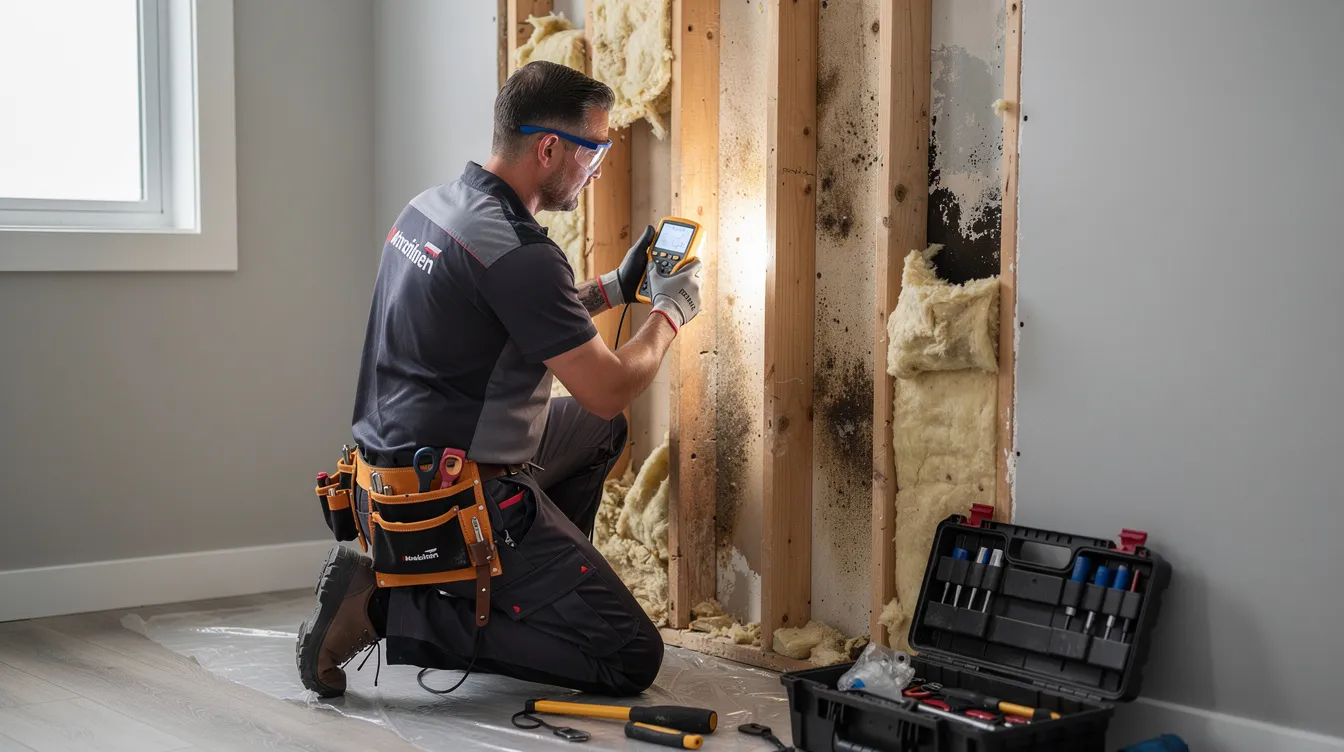
What to Document for a Water Damage Insurance Claim in Houston
When water damage strikes your Houston home, knowing exactly what to document can make or break your insurance claim. This guide is designed specifically for Houston homeowners who need to file a water damage insurance claim. We’ll cover the essential documentation steps—what to photograph, how to inventory damaged items, which receipts to save, and how to keep a detailed log—so you can avoid denied or underpaid claims. Proper documentation is critical: insurance companies require clear, dated evidence to verify the cause, extent, and timeline of the damage. Without it, your claim may be delayed, underpaid, or even denied. By following the steps below, you’ll be prepared to support your claim and ensure your property is fully restored.
Documentation Checklist for Houston Water Damage Insurance Claims
Before you begin cleanup or repairs, use this checklist to ensure you gather all necessary documentation for your insurance claim:
- Take clear photos and videos of all visible damage, including walls, flooring, ceilings, and any damaged personal items, from multiple angles and heights.
- Create a detailed inventory of all damaged items, including description, age, purchase price, and replacement cost.
- Save all receipts for emergency repairs, professional services, and temporary housing or living expenses.
- Keep a dated log of every communication with your insurance company, including calls, emails, and claim numbers.
- Obtain professional assessments and moisture maps from a certified restoration company.
- Do not discard damaged materials until your insurance adjuster has inspected them.
- Document everything before starting any cleanup to ensure your adjuster can evaluate the damage based on what they can see and what you can prove existed.
Key Takeaways
- Act quickly: Houston water damage claims move fast; homeowners must act quickly and document damage with photos, videos, receipts, and logs before major cleanup or demolition begins.
- File promptly: File your water damage insurance claim quickly, as delays can lead to mold growth or further structural damage.
- Provide proof: Insurance companies expect proof of cause, extent, and a clear timeline, so all records must be dated, detailed, and organized.
- Get professional help: Predator Restoration Inc. provides 24/7 on-site response throughout Houston and surrounding areas, helping document water damage professionally while starting safe mitigation.
- Contact immediately: Call Predator Restoration immediately at (832) 937-4620 or message us online as soon as you discover water damage.
- Thorough documentation and prompt action: Protect property owners from delayed, denied, or underpaid claims, as insurance companies may deny claims if homeowners do not act quickly to mitigate damage, and supports full restoration coverage.
Act Immediately: Safety, Mitigation, and First Documentation
Document everything before starting any cleanup to ensure that your adjuster can evaluate the damage based on what they can see and what you can prove existed.
In Houston—where severe thunderstorms, burst pipes, and HVAC failures happen year-round—the first minutes matter for both safety and your water damage insurance claim.
Safety Precautions
- Shut off electricity to affected areas if water is near outlets or wiring.
- Avoid standing water that could be energized.
Stopping the Water Source
- Locate and stop the water source (main valve, toilet supply line, or tarp a roof opening).
- Remove standing water as soon as possible to prevent further damage.
Preventing further damage is your responsibility; find where the water is coming from and shut off the main valve if needed.
Initial Documentation Steps
- Take quick initial photos before beginning basic emergency mitigation like placing buckets or moving dry valuables.
- Do not tear out materials or discard damaged items yet.
Insurance companies may deny claims if they believe the damage could have been minimized by prompt action, such as shutting off the water supply or removing standing water.
Need immediate help? Call Predator Restoration 24/7 at (832) 937-4620 for emergency water removal and on-site documentation anywhere in greater Houston.
Types of Water Damage Coverage in Houston
Understanding your water damage insurance coverage is crucial for Houston property owners, especially given the city’s frequent storms, high humidity, and risk of flooding. Not all water damage is treated the same by insurance companies, and knowing the distinctions can help you prepare a stronger water damage insurance claim and avoid surprises during the insurance claim process.
Sudden and Accidental Water Damage
Most standard homeowners insurance policies cover damage caused by sudden and accidental events, such as burst pipes, appliance leaks from washing machines or water heaters, and roof leaks caused by storms. This coverage typically includes both visible damage and hidden moisture that can lead to further issues if not addressed quickly.
Flood Damage
Damage caused by rising water from heavy rain, overflowing bayous, or street flooding is not covered by standard homeowners insurance. To cover flood damage, Houston property owners must purchase a separate flood insurance policy. Without this additional coverage, claims for flood-related losses will likely be denied, regardless of the extent of the damage.
Water Damage from Slow or Gradual Leaks
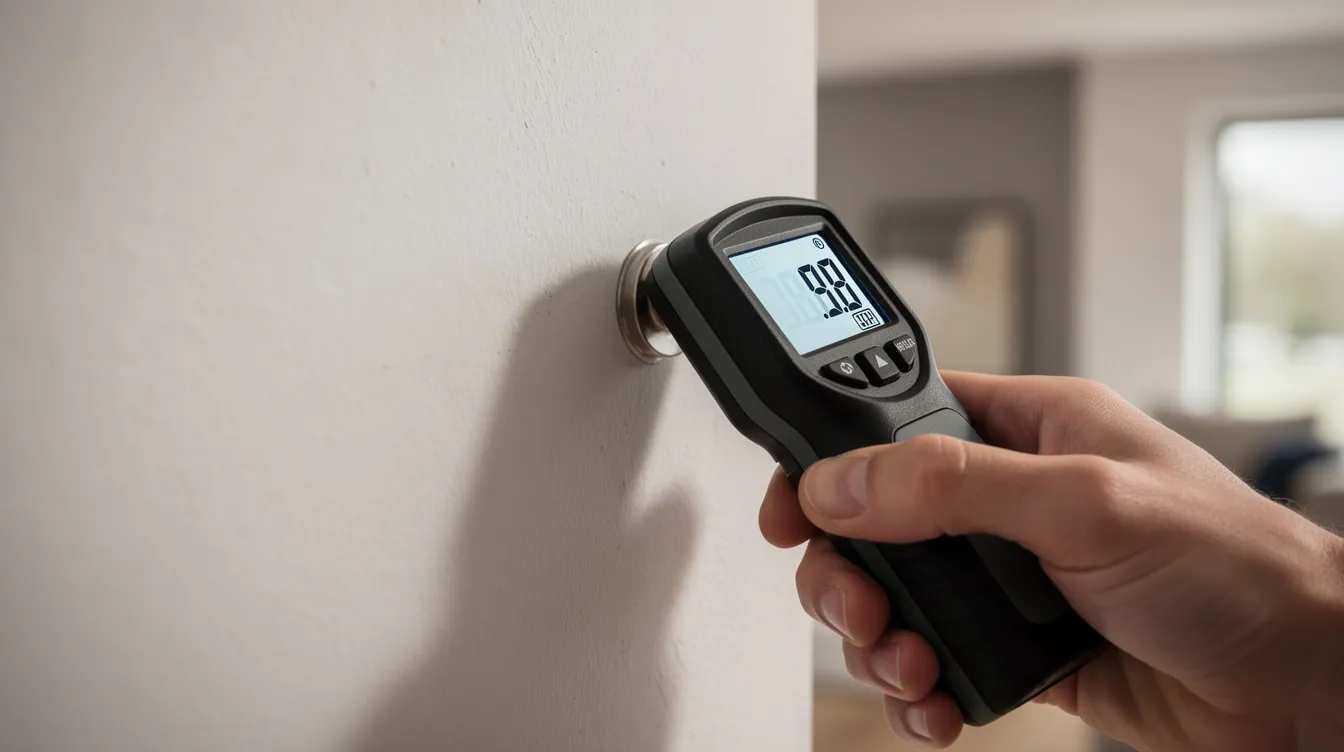
Insurance companies often scrutinize claims involving slow leaks or gradual water intrusion. While some insurance policies may offer limited coverage for damage caused by hidden moisture or gradual leaks, many exclude this type of damage unless you have specific endorsements. Proper documentation, including moisture meter readings and a clear timeline, is essential to support your damage insurance claim in these cases.
Mold Growth
Houston’s humid climate makes mold growth a common consequence of water damage. Some insurance policies provide limited coverage for mold remediation if the mold results from a covered water incident, such as a sudden pipe burst. However, coverage for mold growth is often capped or requires additional endorsements, so review your policy carefully.
Structural Damage
Water incidents can cause significant structural damage to walls, floors, foundations, and other parts of your property. Coverage for structural damage depends on the cause—sudden and accidental events are usually covered, while damage from neglect or long-term leaks may not be. Thorough documentation of the full extent of the damage, including affected materials and moisture readings, will help ensure your claim is processed accurately.
What should Houston property owners do? Review your insurance policies regularly to understand what types of water damage are covered and where exclusions may apply. If you live in a flood-prone area, consider a separate flood insurance policy to protect against rising water. Always document the damage thoroughly—photos, videos, and professional moisture meter readings can make the difference between a paid and denied claim. If you’re unsure about your coverage or need help navigating the insurance claim process, consult a public adjuster or a reputable water damage restoration company to advocate for your best interests and ensure your property is fully restored.
Photographing Water Damage for Your Houston Insurance Claim
Clear, time-stamped photos are often the most important evidence for a water damage insurance claim. Your insurance adjuster will rely heavily on these images.
Photo Documentation Checklist
| Shot Type | What to Capture |
|---|---|
| Wide shots | Every affected room showing floors, walls, ceilings, furniture |
| Close-ups | Warped hardwood, blistering paint, swollen baseboards, drywall staining, visible mold |
| Source | Broken pipe, overflowing toilet, roof leak stains, storm-damaged windows |
| Water depth | Standing water with ruler or recognizable object for scale |
| Water lines | Visible marks on walls or cabinets showing intrusion height |
- Do not edit or filter photos. Keep originals with metadata intact and back them up to cloud storage.
- Predator Restoration technicians routinely capture detailed, job-specific photo sets and can share them directly with your insurer.
Recording Video Walkthroughs of the Damage
Videos help insurers visualize the full extent of damage in ways still photos cannot. Record a slow, narrated walkthrough of each affected space, panning from floor to ceiling.
Video Best Practices:
- Verbally note the date, time, and when damage was discovered.
- Capture sounds of active leaks or dripping water.
- Record separate clips for the source location, worst damaged room, outdoor damage, and personal belongings.
- Show the full scope of affected areas including hidden moisture locations.
Predator Restoration can assist with professional video documentation during inspection and provide those files to support your claim.
Create a Written Water Damage Log and Timeline
Water damage documentation is crucial for a successful insurance claim—start by keeping a detailed written log to ensure you don’t miss important details.
Adjusters and Texas insurers scrutinize when damage started, when it was discovered, and what actions were taken. A written log answers these questions clearly.
What to Include in Your Log
- When water was first noticed
- When the water source was shut off
- When Predator Restoration or another professional was called
- When the insurance company was contacted
- Weather conditions if storm-related
- Every call or email with your insurer (date, time, representative name, claim number)
- Track all mitigation steps to show you complied with your policy’s duty to prevent further damage
Be sure to document the affected areas in detail, including a written log that tracks details you may forget later, such as dates and times of the incident.
Why a Timeline Matters
- Helps prove you acted quickly to mitigate damage
- Supports your claim with a clear sequence of events
- Ensures you don’t miss important details that could affect your settlement
Predator Restoration’s daily drying logs and moisture readings naturally build an organized timeline that can be shared with adjusters.
Gathering Receipts, Invoices, and Out-of-Pocket Expenses
Insurance policies typically reimburse reasonable emergency expenses, but only with proper documentation.
Save receipts for:
- Emergency supplies (tarps, fans, dehumidifiers, wet/dry vacuums, cleaning products)
- Professional services (Predator Restoration mitigation, plumber repairs, roofer tarping, electrician safety checks)
- Temporary living expenses if your home is uninhabitable (hotels, meals, commuting costs)
Organize all financial documents in a dedicated folder labeled with your claim number. Predator Restoration provides detailed, itemized invoices showing line-by-line mitigation work, helping justify costs to your insurance company.
Documenting the Source and Extent of Water Damage
Documentation is crucial for water damage claims, as insurance adjusters rely on evidence to verify the cause, severity, and timeline of the damage.
Insurers want to confirm the damage was sudden and accidental—like burst pipes or an AC overflow—rather than gradual leaks or long-term neglect, which standard homeowners insurance often excludes.
Key documentation steps:
- Photograph and note how water entered (supply line failure, water heater burst, roof shingle loss, wind-driven rain)
- Obtain written descriptions from plumbers or roofers stating the cause
- Document moisture spread beyond visible damage
- List all affected materials: drywall, insulation, framing, subfloor, baseboards, cabinets, damaged flooring
- Create a detailed inventory of all damaged items, including description, age, purchase price, and replacement cost.
- Obtain moisture maps and damage assessments from a certified restoration company to support your claim.
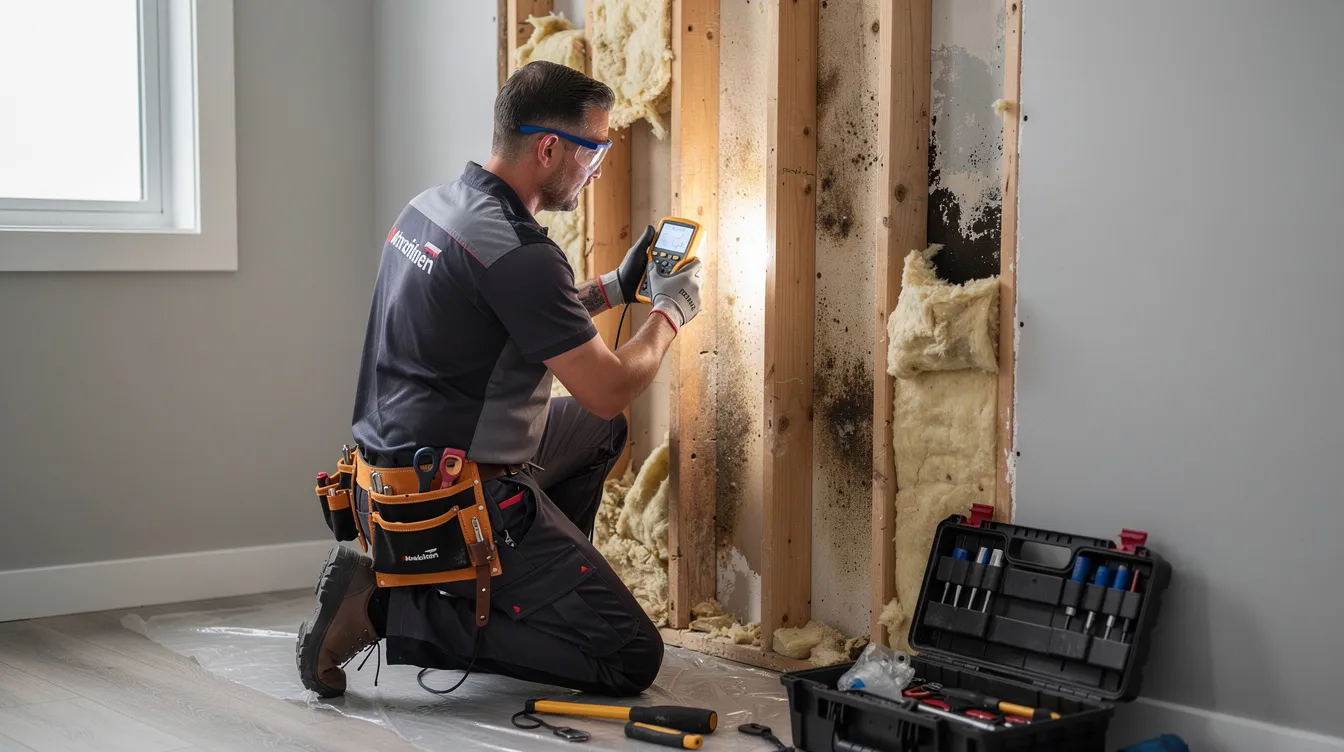
Predator Restoration uses moisture meter readings and thermal imaging to find hidden moisture in walls, ceilings, and subfloors—documenting damage that property owners might otherwise miss.
Working with Predator Restoration for Professional Documentation
Predator Restoration Inc. is a Houston-based, 24/7 property restoration company specializing in thorough on-site inspections and detailed documentation for water damage claims.
When technicians arrive, they perform hands-on assessments: checking behind walls, under flooring, inside cabinets, and in attics to ensure hidden damage and contamination are documented—not just surface-level issues.
Documentation packages include:
- Professional moisture readings
- Drying logs
- Equipment usage records
- Photographs
- Written scopes of work
Predator Restoration serves Houston, Willowbrook, Klein, Cypress, Jersey Village, Kingwood, North Houston, and surrounding communities with fast response times that limit secondary damage like mold growth, odors, and structural damage.
Call now at (832) 937-4620 or message us online for immediate water removal and claim-supporting documentation.
Communicating with Your Insurance Company and Adjuster
Timely, accurate communication with your insurer is essential—especially after widespread storms when adjusters are overwhelmed with insurance claims.
Communication Checklist:
- Notify your insurer as soon as practical after damage occurs
- Report only what you observed (water location and visible effects)
- Request your claim number and policy declarations page
- Be present during the adjuster’s inspection with all documentation ready
- Walk the adjuster through all affected areas, including closets and behind furniture
- Ask for clear next steps and expected timeframes
- Write down all commitments or instructions
Predator Restoration can coordinate with adjusters on-site, answer technical questions about moisture readings, and help ensure no damaged areas are overlooked during the insurance claim process.
Reviewing Your Settlement and Continuing Documentation
Once an insurance estimate arrives, confirm that all damaged areas and necessary repairs are included.
Settlement Review Steps:
- Compare the insurer’s estimate against your documentation and Predator Restoration’s scope
- Verify each room and material is properly listed
- Continue “during” photos of demolition revealing hidden damage
- Take “after” photos of completed repairs
- Submit supplemental documentation if hidden damage is discovered mid-project
Do not accept a final settlement until all necessary mitigation, mold remediation, and reconstruction have been addressed. If the insurer’s offer doesn’t reflect the full scope of damage, call Predator Restoration at (832) 937-4620 for support.
When Documentation Is Especially Critical in Houston
Some Houston water events face heavy scrutiny from insurers, making detailed documentation essential.
High-Scrutiny Scenarios:
- Severe thunderstorms, tropical storms, and hurricanes with wind-driven rain
- Roof damage combined with localized flooding
- Slow leaks discovered after extended periods
- Complex causation (roof failure plus wind-driven rain plus rising water)
Texas homeowners should understand that standard policies typically do not cover flood damage from bayous or street flooding—a separate flood insurance policy is required. In Houston’s high humidity, mold growth can start within 24 hours, making early documentation and rapid mitigation crucial.
Call Predator Restoration Now for 24/7 Water Damage Help in Houston
Don’t wait to begin both mitigation and documentation after a water incident. Predator Restoration provides emergency service including water removal, water damage restoration, mold remediation, sewage cleanup, storm damage restoration, odor removal, and full rebuild services across the greater Houston area.
Our hands-on, on-site approach means technicians personally inspect, document, and restore—focusing on hidden moisture and secondary damage, not just surface cleanup.
Call (832) 937-4620 right now for immediate dispatch, or message Predator Restoration online for rapid assistance with your water damage insurance claim.
With thorough documentation and a meticulous restoration partner, Houston property owners can protect their homes, health, and claim outcomes.
Frequently Asked Questions About Documenting Water Damage Claims in Houston
What is the single most important thing to document first?
Capture clear photos and short videos of all visible damage and the suspected water source before major cleanup or demolition. These images become the foundation of your damage insurance claim and prove the initial extent of the water damage.
Can I start drying and cleanup before the adjuster arrives?
Yes—Texas law and insurance policies require you to prevent further damage. Begin safe mitigation (removing standing water, running fans) after documenting. Avoid permanent repairs or full tear-outs until damage is well documented and ideally reviewed by the adjuster.
What if my documentation is incomplete or I forgot to take some photos?
Continue documenting current conditions and any hidden damage discovered during demolition. Professional reports from a restoration company like Predator Restoration can fill gaps with moisture readings, job photos, and written findings that support your claim.
Does homeowners insurance cover floodwater from streets and bayous?
Standard policies typically do not cover rising water from outside sources like street flooding or bayou overflow. You need separate flood insurance for these events. Documenting the water source and path helps clarify what your policy may cover.
How can Predator Restoration help if my insurer questions my claim?
Predator Restoration provides detailed job files—photos, moisture maps, Xactimate estimates, drying logs, and written scopes—that offer technical support for your description of the loss. These documents can be shared with adjusters or a public adjuster reviewing the claim.