
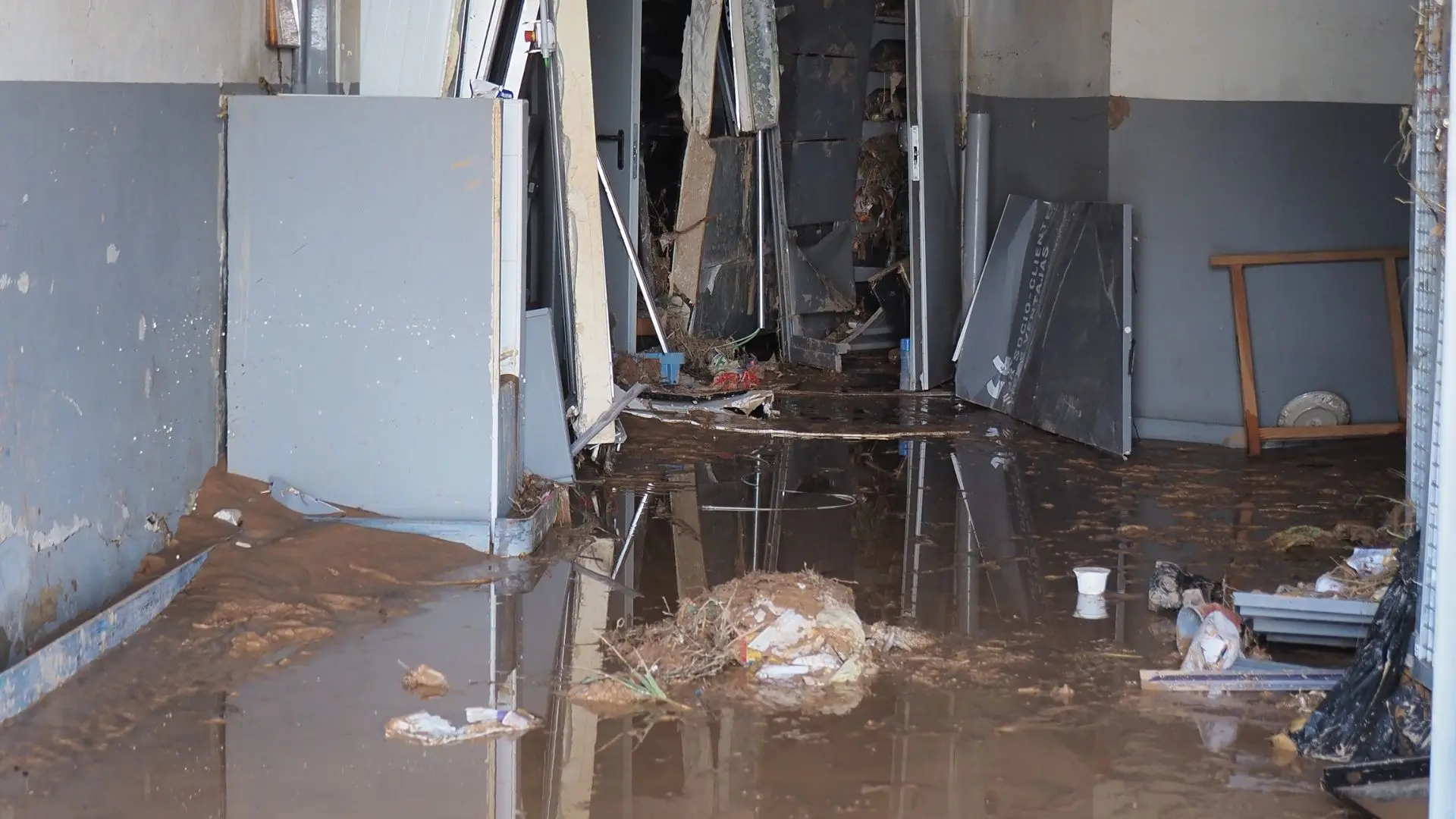
A burst pipe over a weekend or a slow roof leak during a summer storm can shut down a Houston business fast. Water spreads quickly across open floor plans, soaks into drywall and flooring, and reaches electrical systems before anyone notices there is a problem. For a retail store, medical office, or warehouse, every hour that water sits is an hour of lost revenue and mounting repair costs.
Commercial properties face different challenges than homes. Larger square footage, HVAC systems, server rooms, and inventory all add complexity to a water damage response. Understanding how the restoration process actually works helps business owners and property managers make faster, more informed decisions when water damage happens.
This guide covers how commercial water damage restoration is assessed and carried out, what makes Houston businesses particularly vulnerable to water intrusion, how drying and cleanup work at a commercial scale, and what property managers should know about minimizing downtime and supporting an insurance claim.
Why Houston Businesses Face a Higher Water Damage Risk
Houston’s flat terrain and heavy annual rainfall create drainage challenges for commercial properties throughout the metro area. Parking lots, loading docks, and low-lying commercial corridors near bayous can pool water quickly during a strong thunderstorm, and that water does not always stay outside.
Aging commercial roofing, flat roof systems common on strip centers and warehouses, and HVAC condensation lines are frequent sources of water intrusion that have nothing to do with a named storm. A slow roof leak above a stockroom or a clogged condensate drain above a drop ceiling can go unnoticed for days, allowing water to spread across a much larger area than a single obvious leak would suggest.
Add in Houston’s humidity, and any commercial water event carries a faster timeline for secondary damage. Moisture trapped behind walls or under commercial flooring in a humid climate creates favorable conditions for mold growth within days rather than weeks, which is why a fast, thorough response matters as much for a business as it does for a home.
What Happens During a Commercial Water Damage Assessment
A commercial water damage assessment starts with identifying every point where water entered the building, not just the areas where damage is visible. In a commercial space, water can travel along ceiling grids, through wall cavities, and under raised flooring, ending up far from the original source.
We use moisture meters to check drywall, subflooring, and other materials throughout the affected areas, since materials can hold significant moisture while looking dry on the surface. The assessment also accounts for commercial-specific factors, including whether water reached electrical panels, server or IT equipment, HVAC systems, or inventory, since those areas often require additional caution before work begins.
Because commercial buildings vary so widely, from a single retail suite to a multi-tenant office building, the scope of a commercial water damage assessment is tailored to the property. A restaurant kitchen involves different considerations than an open office floor, and the assessment should reflect that.
Water Extraction and Structural Drying for Commercial Spaces
Once the assessment is complete, water extraction begins using pumps and extraction equipment sized for the volume of water and the square footage involved. Commercial properties often require more extraction equipment operating simultaneously than a typical home, especially across large open areas like warehouses or big-box retail floors.
Structural drying follows the same core principles as residential drying, using air movers and dehumidifiers to remove moisture from materials and the surrounding air, but at commercial scale that often means more units running in coordinated drying zones. Drying commercial carpet, carpet tile, and raised flooring systems requires attention to what sits underneath, since padding, subflooring, and even electrical raceways beneath raised floors can trap moisture if they are not addressed directly.
Moisture readings are documented throughout the drying process for each zone of the building. This documentation serves two purposes for a business: it confirms when each area has reached an appropriate dry standard, and it gives property managers and their insurance carrier a clear record of the work performed.
Minimizing Downtime While Restoration Work Is Underway
For most businesses, the biggest concern during water damage restoration is how quickly they can reopen or resume normal operations. A few factors influence how restoration work can be phased to reduce disruption.
Restoration work can often be sectioned so that unaffected areas of a building remain usable while drying equipment runs in the affected zone. A retail store might close only the section near the water intrusion while keeping the rest of the sales floor open, or an office might relocate a department temporarily rather than closing the entire building.
Clear communication about the timeline matters as much as the work itself. Property managers benefit from an honest estimate of how long extraction and drying will take for their specific situation, along with regular updates as moisture readings confirm progress, so they can plan staffing, customer communication, and any temporary relocation accordingly.
Insurance Considerations for Commercial Water Damage Claims
Commercial property insurance policies vary significantly in what they cover for water damage, and the source of the water often affects that coverage. Damage from a sudden pipe burst is typically treated differently than damage from a slow, long-term leak or from flooding caused by external water sources.
Detailed documentation supports a smoother claims process. Photos and video of the affected areas, an itemized account of damaged inventory or equipment, and the moisture readings recorded during restoration all give a commercial property’s insurance carrier a clearer picture of the loss. Business interruption coverage, if included in a policy, may also depend on documentation showing when the business was unable to operate and why.
Reviewing a commercial policy before an incident happens, specifically what it covers for water damage and business interruption, gives property managers a much clearer starting point than trying to interpret coverage during an active claim.
When to Call for Commercial Water Damage Restoration in Houston
If your Houston business has experienced a pipe burst, roof leak, or any other source of water intrusion, we provide commercial water damage restoration built around a full process, from initial assessment through extraction, structural drying, and documentation for your insurance claim. Reaching out as soon as water is discovered, rather than waiting to see if it dries on its own, gives your business the best chance at a fast, controlled recovery.
Frequently Asked Questions
How quickly should a Houston business respond to water damage?
As soon as possible. Water that sits for even a few hours can soak deeper into commercial flooring, drywall, and equipment, extending the drying timeline and increasing the risk of mold in Houston’s humid climate. A fast response also limits how many areas of the building are affected.
Can a business stay open during commercial water damage restoration?
Often, yes, depending on the extent of the damage. Restoration work can frequently be sectioned so unaffected areas remain usable while extraction and drying equipment run in the affected zone, though the specific plan depends on where the water reached and how widespread the damage is.
Does commercial insurance cover water damage in Houston, TX?
It depends on the policy and the source of the water. Sudden events like a pipe burst are often treated differently than long-term leaks or external flooding, so reviewing your specific commercial policy is the only way to know what is covered.
What makes commercial water damage restoration different from residential restoration?
Commercial properties are typically larger and involve additional systems like HVAC, server rooms, and inventory that require careful handling. The scale of extraction and drying equipment needed, and the need to minimize business downtime, also set commercial restoration apart.
How long does drying take for a commercial building?
It depends on the size of the affected area, the materials involved, and how long water sat before extraction began. A single affected room dries faster than an open floor plan with widespread water intrusion, which requires more equipment and monitoring across multiple zones.
Key Takeaways on Commercial Water Damage Restoration in Houston
Commercial water damage restoration in Houston involves the same core steps as residential restoration, assessment, extraction, and structural drying, but scaled to the size and complexity of a business property. Houston’s climate and drainage challenges make a fast response especially important, since humidity accelerates the timeline for mold growth once materials stay wet.
Keeping detailed records throughout the process supports both a faster recovery and a stronger insurance claim. If your business experiences water intrusion, reach out as soon as it is safe to do so, since early action gives us the best chance to limit damage, protect your equipment and inventory, and get your doors back open.